
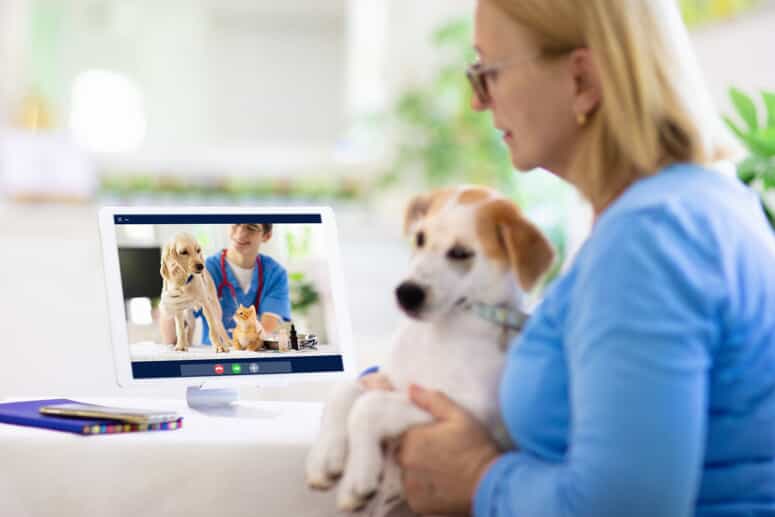
Telehealth is changing how you care for your pet. You no longer need to sit in traffic or a crowded lobby when your pet needs help fast. Instead, you can talk with a trusted veterinarian in East San Jose from your home. This can ease stress for you and your pet. It can also help you act sooner when you notice a change in behavior, appetite, or energy. Early contact often means better care. Telehealth options support you when you face hard choices, sudden illness, or follow up after treatment. You can share photos, videos, and updates in real time. That can help your vet see what is happening and guide you with clear next steps. This blog explains four benefits of telehealth in veterinary care so you can decide when it makes sense for you and your pet.
1. Faster answers when you feel worried
When your pet limps, vomits, or hides, fear sets in fast. You may not know if it is an emergency or something you can watch at home. Telehealth gives you a way to reach out early instead of waiting and hoping. You can schedule a video call, send photos, or use a secure message system. Your vet can review what you share and ask focused questions.
This can help you in three clear ways.
- You get quick guidance on whether you need urgent in-person care.
- You get simple steps you can do at home right away.
- You avoid long gaps between “something seems off” and “I talked to the vet.”
2. Less stress for your pet and your family
Many pets fear car rides, loud waiting rooms, and strange smells. Some shake. Some hiss or bark. Some shut down. That stress can hide signs that your vet needs to see. It can also leave you upset and tired.
Telehealth avoids many of these triggers. Your pet stays in a known space. Your child can sit nearby. You can keep the light low and the room quiet. This calm setting helps your vet see your pet’s normal behavior. It also helps you remember questions and listen to the plan.
Here are three groups that often gain from telehealth.
- Large dogs or cats that are hard to move or lift.
- Older pets that tire out on short trips.
- Families without easy access to transport.
For routine follow-up, this can be enough. For serious problems, the visit can still prepare you. You walk into the clinic knowing what to expect. That can cut fear and confusion for everyone.
3. Better follow-up and long-term care
Long-term problems like arthritis, allergies, heart disease, and diabetes need steady follow-up. Missed visits can set your pet back. Telehealth makes it easier to stay on track with short check-ins that fit your life.
During a telehealth visit, your vet can:
- Review how your pet eats, moves, and sleeps.
- Adjust medicine doses based on recent changes.
- Check if you can lower or stop a treatment.
This kind of steady contact supports safe care. It also respects your time and money. The U.S. Department of Agriculture notes that regular monitoring helps spot disease patterns in animals early. You can explore animal health resources through USDA at https://www.aphis.usda.gov/.
Telehealth also helps with behavior support. Many behavior concerns only show at home. A video call lets your vet or behavior partner watch how your pet acts with family, food, toys, and guests. That makes plans clearer and more personal.
4. Smarter use of clinic time and costs
Telehealth does not replace hands-on exams, lab tests, or surgery. It does help you use in-person time in a smarter way. When a visit starts online, you can share history, records, and videos in advance. Your vet walks into the exam room ready to focus on tests, touch, and treatment.
This can lead to three clear gains.
- Shorter in-person visits.
- Fewer repeat trips for small questions.
- More space at the clinic for true emergencies.
Many families also see cost savings. A short telehealth check may cost less than a full in-person visit. Even when costs are the same, you save on gas, parking, and time away from work or school. For some people, that is the difference between getting care and putting it off.
Telehealth vs in person visits
Telehealth is strong for some needs and weak for others. The table below gives a simple comparison so you can judge what fits your pet and your concerns.
| Type of need | Good fit for telehealth | Needs in person visit |
|---|---|---|
| New mild problem(small limp, slight cough, mild stomach upset) | Yes. Telehealth can guide home care and watchful waiting. | Yes, if signs worsen, last more than a day, or your vet sees red flags. |
| Ongoing problem(allergies, arthritis, behavior) | Yes. Good for progress checks and plan changes. | Yes for exams, lab tests, and when treatment is not working. |
| Emergency(trouble breathing, collapse, big wounds, seizures) | No. Use the phone only to alert the clinic while you travel. | Yes. Needs hands on exam and fast treatment. |
| Routine wellness(diet, weight, prevention) | Yes for counseling, questions, and review of home routines. | Yes for vaccines, full physical exam, and lab tests. |
| Post surgery or recent procedure | Yes for wound checks by photo or video and pain review. | Yes, if there is swelling, bleeding, fever, or severe pain. |
How to prepare for a telehealth visit
Good telehealth visits need a bit of planning. You can follow three simple steps.
- Gather facts. Write down when the problem began, changes you have seen, and any past issues. List all medicines and doses.
- Capture clear images. Take photos and short videos in good light. Show your pet walking, eating, or scratching if that is the concern.
- Set up your space. Pick a quiet room. Test your camera, sound, and internet. Have treats or a toy ready to keep your pet calm.
During the visit, speak openly. If you feel fear about cost or treatment, say so. Your vet can adjust the plan or offer options. At the end, repeat the steps you need to take. That cuts confusion and helps you act with confidence.
When telehealth is not enough
Some signs always need in-person care. Go to a clinic or emergency hospital right away if your pet has:
- Trouble breathing or blue gums.
- Collapse or trouble standing.
- Heavy bleeding or a deep wound.
- Repeated vomiting or diarrhea with blood.
- Seizures or sudden disorientation.
- Known poison contact.
In these moments, use the phone only to tell the clinic you are on your way. Do not wait for a video visit.
Using telehealth as one more tool for care
Telehealth gives you one more secure tool to protect your pet. It helps you act faster, lower stress, support long-term health, and use clinic time well. When you pair it with steady in-person visits, you build a strong safety net. That care can prevent quiet problems from turning into crises. It can also bring some peace on the hard days when worry feels heavy