You know that putting off care can feel easier in the moment. You are busy. You worry about cost. You hope the pain will fade. Then the problem grows, the bill grows, and the stress grows. This blog explains why choosing preventive services protects your health, your time, and your money. You will see how early checkups, screenings, and cleanings stop small issues before they turn into emergencies. You will also see how a trusted dentist in Newburgh, NY can guide you with simple steps that fit your life. Preventive care gives you control instead of crisis. It cuts surprise bills. It reduces fear. It keeps you steady. When you understand these five clear benefits, waiting will no longer feel like a safe choice. It will feel like a risk you do not need to take.
1. You avoid medical and dental emergencies
Most emergencies start as small problems. A tiny cavity. A sore tooth. A brief chest pain. When you skip checkups, these warning signs grow until they demand your attention in the worst way.
Regular exams and cleanings catch trouble early. For example, the Centers for Disease Control and Prevention explains that routine dental care helps prevent decay and gum disease that can lead to tooth loss and infection.
Here is what preventive visits help you avoid:
- Late night trips to the emergency room
- Root canals and extractions that could have been simple fillings
- Severe infections that spread through the body
First, you give problems less time to grow. Second, you give your care team a clear view of changes. Third, you give your family more peace. You replace fear of the unknown with a clear plan.
2. You save money over time
Preventive care often costs less than delayed treatment. A cleaning costs less than a filling. A filling costs less than a crown. A crown costs less than surgery. When you wait, you climb that ladder.
The same pattern shows up in general health. The U.S. Preventive Services Task Force supports screenings that catch disease early because early treatment is easier and cheaper.
The table below shows a simple comparison for common dental care. Costs are estimates for teaching only. Actual prices differ by clinic and region.
| Type of visit | Example service | Typical timing | Relative cost |
|---|---|---|---|
| Preventive | Cleaning and exam | Every 6 to 12 months | Low |
| Early treatment | Small filling | Shortly after a problem starts | Moderate |
| Delayed treatment | Crown or root canal | After long delay | High |
| Emergency care | Extraction or hospital visit | During crisis | Very high |
At first, preventive visits may feel like one more bill. Over a few years, you see the savings. You pay for maintenance instead of repair. You keep more of your income for your family.
3. You protect your long term health
Teeth and gums connect to the rest of your body. So do your heart, lungs, and skin. When you care for one part, you protect the whole system.
Routine visits help your care team spot early signs of:
- Diabetes
- Heart disease
- High blood pressure
- Oral cancer and other cancers
Many conditions grow in silence. You feel fine until something sudden happens. Regular screenings break that pattern. You get clear numbers. You get early warnings. You get more choices.
First, early action can slow or stop disease. Second, it can reduce the need for strong medicine or surgery. Third, it can add years of good life for you and your children.
4. You reduce stress and fear
Many people carry fear of the dentist or doctor from childhood. Long waits between visits make this fear worse. The longer you wait, the more you imagine the worst news.
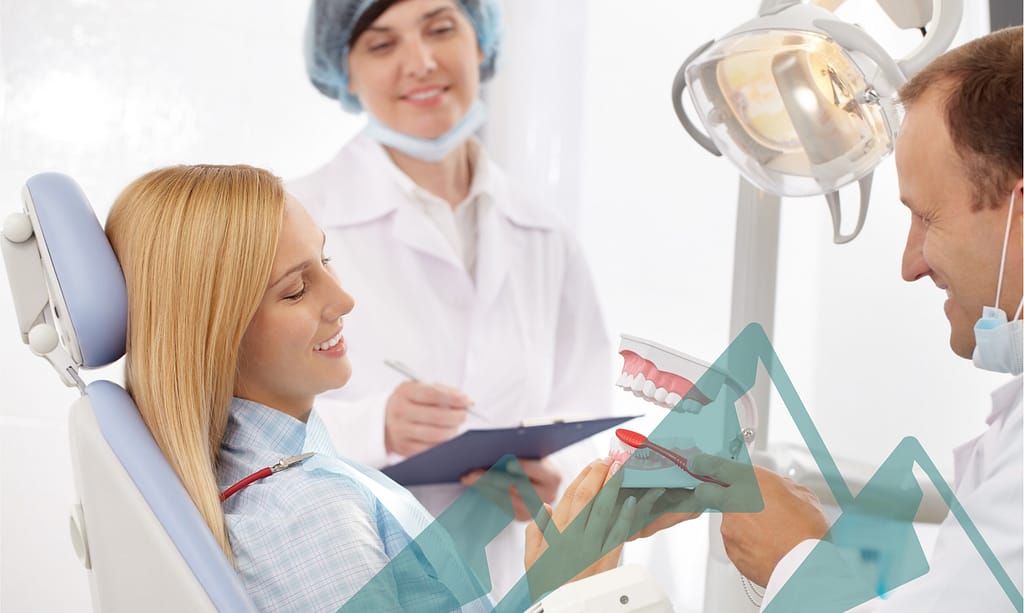
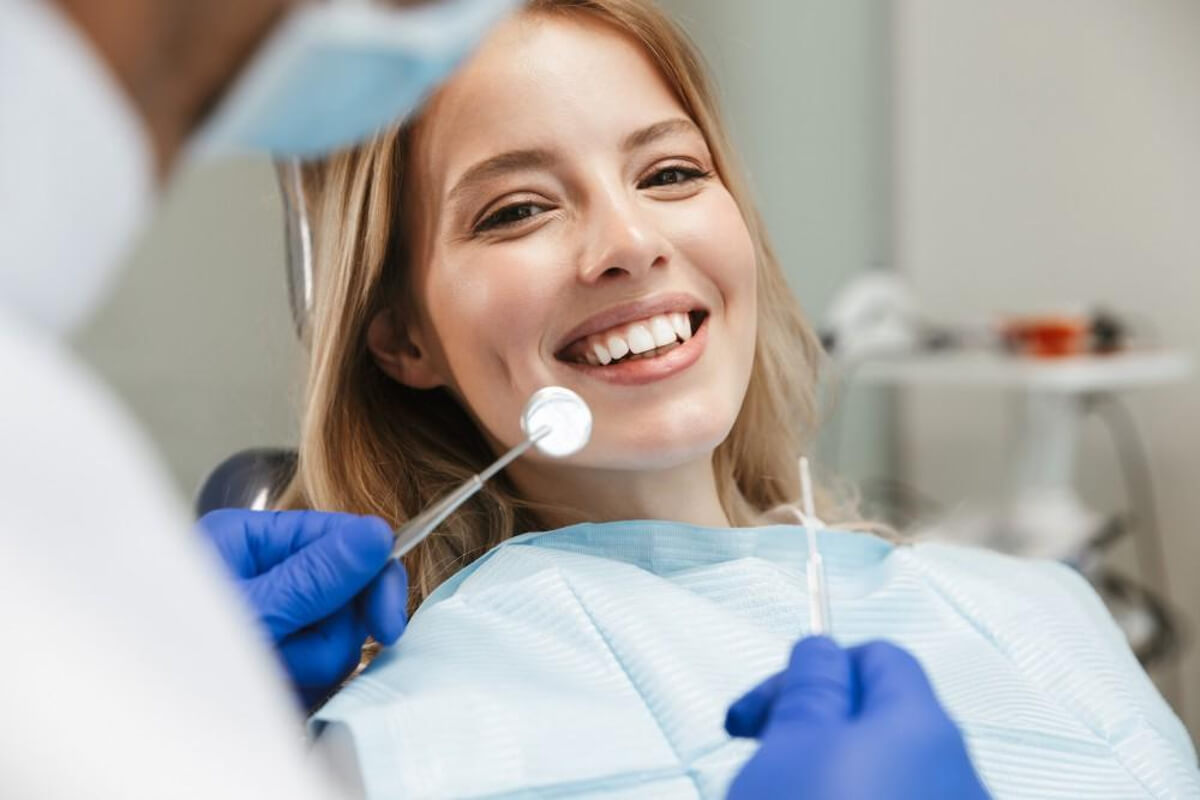
Preventive visits are usually calm and quick. You sit in the chair for a cleaning, an exam, and simple advice. Over time, your brain learns a new story. Health visits do not always mean pain. They can mean care, comfort, and clear answers.
Preventive care also reduces stress in daily life. You do not lie awake worrying about a tooth that hurts. You do not watch a strange mole and wonder if you should get it checked. You have a regular pattern.
- You know when your next visit is
- You know what will happen
- You know who to call if something changes
This steady routine gives you and your family more emotional safety. You spend less energy on fear and more on living.
5. You model strong habits for your children
Children watch what you do. When you treat preventive care as normal, they grow up with that same belief. Health care becomes a simple part of life, like brushing teeth or buckling a seat belt.
Here is how you can build these habits at home:
- Schedule family checkups at the same time and talk about them in simple words
- Use a calendar or chart so children can see upcoming visits
- Praise small steps, like sitting in the chair or asking a question
First, this reduces fear for your children now. Second, it prepares them to care for themselves when they become adults. Third, it breaks patterns of delay that may have run through your family for years.
How to start with preventive services today
You do not need a perfect plan. You only need the next step. You can start with three simple moves.
- Call your current dentist or doctor and ask when you last had a checkup
- Write down one concern for teeth, body, or mood that you want to discuss
- Put the appointment on a calendar where your family can see it
If you do not have a current provider, you can use state or local health department websites to find low cost clinics and programs. Many communities offer preventive services for children and adults through public health centers.
Every preventive visit is a quiet act of strength. You choose care over crisis. You choose planning over panic. You choose to protect yourself and the people who count on you.