
A smile shapes how you feel about yourself and how others see you. When your teeth look worn, stained, or uneven, you may hide your smile and pull back from people. That quiet shame can drain your energy and confidence. Cosmetic dentistry gives you a different path. You do not have to settle for a smile that hurts your pride. A skilled dentist in Fontana, CA can use safe, modern treatments to change how your teeth look and how you move through your day. This blog walks through five common cosmetic dentistry services that repair chips, cover stains, close gaps, and straighten teeth. Each option focuses on real results you can see in the mirror. You will learn what each service does, how it works, and when it makes sense for you. You deserve a smile that feels strong, clean, and natural.
1. Professional teeth whitening
Teeth often darken from coffee, tea, smoking, or age. Over the counter products may promise fast change but usually give weak or uneven results. Professional whitening uses stronger gel and custom care so you see real change in a short time.
During an in office whitening visit, your dentist protects your gums. Then your dentist places whitening gel on your teeth in short cycles. At home options use custom trays that fit your mouth. You wear the trays with gel for set times over several days.
Professional whitening usually works best if you
- Have yellow or brown stains on natural teeth
- Do not have large fillings on front teeth
- Do not have untreated cavities or gum disease
The American Dental Association explains that dentist supervised whitening lowers the risk of burns and uneven color.
2. Tooth bonding
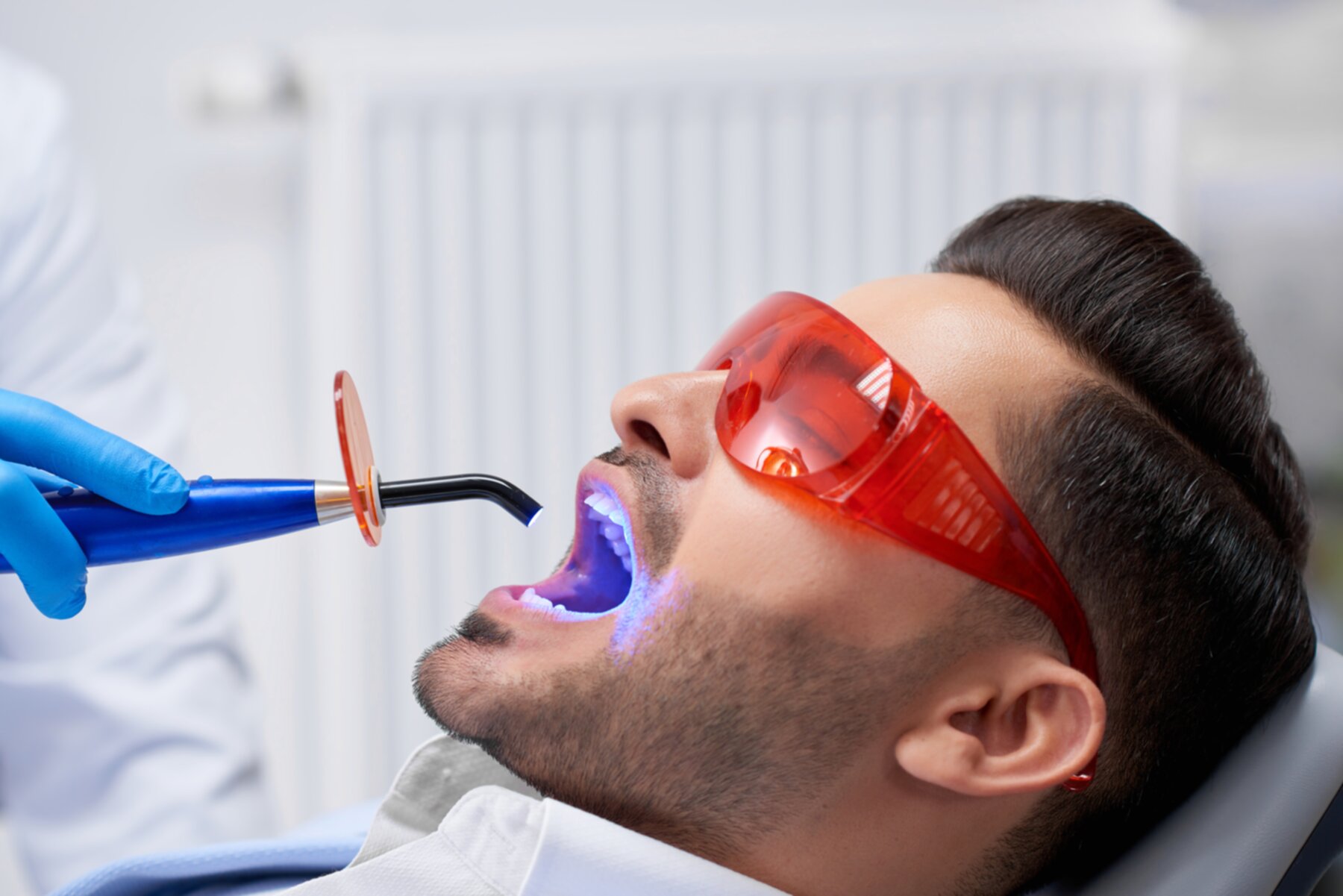
Bonding uses tooth colored resin to repair small damage. It can change the shape, color, or length of teeth in one visit. You sit in the chair. Your dentist roughens the tooth surface. Then your dentist places soft resin and shapes it to match your other teeth. A light hardens the resin. Last your dentist trims and polishes it.
Bonding works well if you
- Have a small chip or crack
- Have a small gap between front teeth
- Want to cover one or two discolored teeth
Bonding costs less than veneers. It also often needs little or no removal of tooth structure. You usually do not need numbing. The tradeoff is that bonding can stain and can chip. It often lasts five to seven years with good care.
3. Porcelain veneers
Veneers are thin shells that cover the front of teeth. They can change color, shape, and length at the same time. Many people choose veneers when they want a strong smile change that looks natural in photos and in person.
First visit. Your dentist talks with you about your goals and checks your teeth and gums. Then your dentist removes a thin layer of enamel from the front of each tooth that will receive a veneer. Your dentist takes a mold and places temporary covers.
Second visit. A lab shapes custom porcelain shells. Your dentist checks fit and color then bonds each veneer to your teeth.
Veneers often work well if you
- Have deep stains that do not respond to whitening
- Have worn or short teeth
- Have many chips or uneven edges
- Want a more uniform smile line
Porcelain resists stains more than bonding. With daily brushing and flossing and regular cleanings, veneers can last many years. You still need to guard against grinding and biting hard objects.
4. Clear aligners and braces
Crooked or crowded teeth can hurt your confidence. They can also trap food and plaque, which can raise your risk for cavities and gum disease. Braces and clear aligners both move teeth into a better position. They just use different tools.
Braces use brackets and wires. Clear aligners use a series of clear plastic trays. Your dentist or orthodontist plans small steps that move your teeth over time. You change aligner trays every one to two weeks or adjust braces at visits.
The National Institute of Dental and Craniofacial Research notes that straighter teeth are easier to clean and can support better oral health.
5. Dental crowns
Crowns cover the whole tooth above the gum line. They protect weak teeth. They also improve shape and color. A crown can turn a broken or worn tooth into a strong part of your smile.
First visit. Your dentist shapes the tooth so a crown can fit over it. Your dentist takes a mold and places a temporary crown.
Second visit. A lab makes a custom crown from porcelain, metal, or a mix. Your dentist checks the fit and bite. Then your dentist cements the crown in place.
Crowns make sense if you
- Have a tooth with a large filling that keeps breaking
- Have a tooth after root canal treatment
- Have a tooth that is misshapen or very discolored
Comparing cosmetic options
| Treatment | Main purpose | Best for | Typical visits | General longevity range |
|---|---|---|---|---|
| Teeth whitening | Lighten tooth color | Surface stains on natural teeth | 1 to 2 | 1 to 3 years |
| Bonding | Fix chips and small gaps | One or two damaged teeth | 1 | 5 to 7 years |
| Veneers | Change shape and color | Multiple front teeth | 2 to 3 | 10 or more years |
| Clear aligners or braces | Straighten teeth | Crowding or bite problems | Many over treatment | Often lifelong with retainers |
| Crowns | Strengthen and reshape | Weak or broken teeth | 2 | 10 or more years |
Choosing the right service for you
You do not have to guess. Start with three steps.
- First, think about what bothers you most when you look in the mirror.
- Next, set a simple goal such as whiter teeth, fewer gaps, or smoother edges.
- Finally, schedule an exam and share that goal with your dentist.
A trusted dentist can review your health, budget, and timeline. Together you can build a plan that protects your teeth and lifts your confidence. With clear information and steady care, you can move from hiding your smile to using it with pride each day.