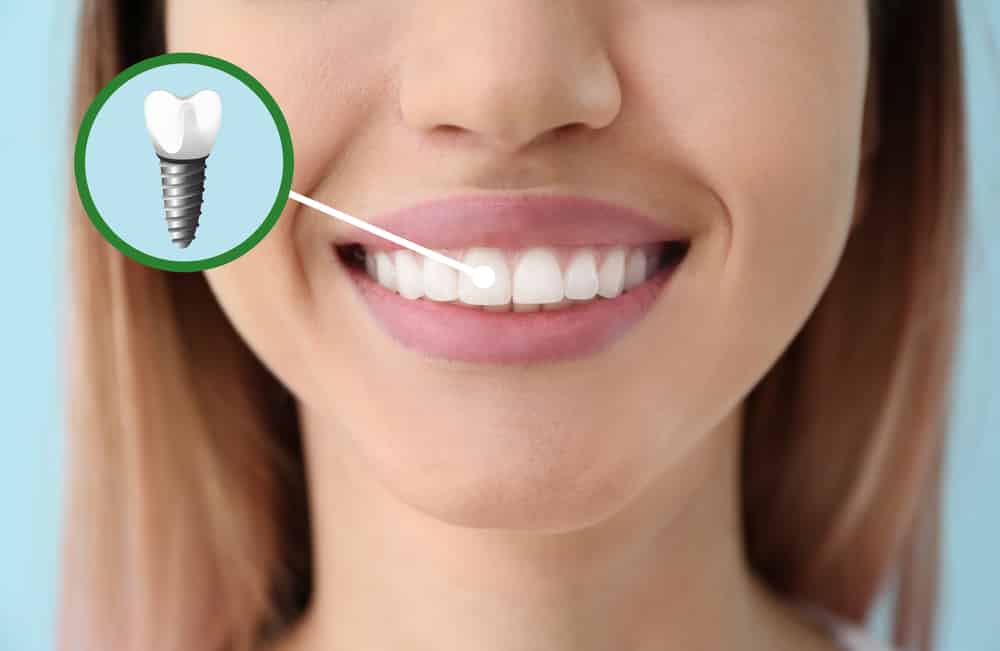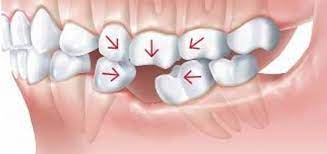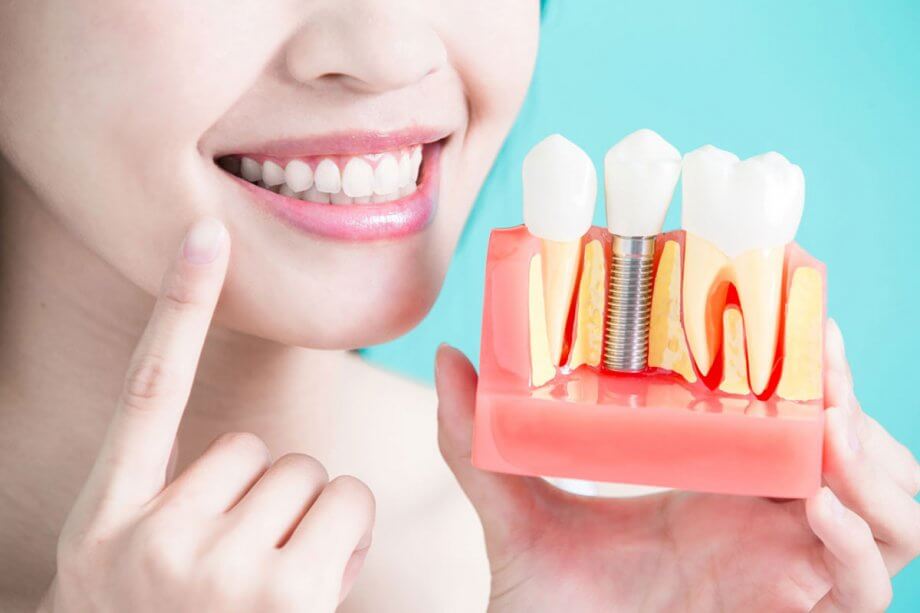

Your implants and cosmetic restorations are more than dental work. They are a promise you made to yourself. Now you need clear steps to protect that promise. Everyday habits shape how long your crowns, veneers, and implants last. Small choices about brushing, eating, and checkups can prevent cracks, stains, and painful repairs. You do not need special products or complex routines. You need consistent care, clear guidance, and a plan you can follow on busy days. This guide shares six simple tips that help you keep your smile strong, clean, and stable. It speaks to common worries about loose implants, chipped porcelain, and gum tenderness. It also explains when to call your dentist before a small issue turns into a crisis. Boston cosmetic dentistry offers strong treatment. Your daily care keeps it that way.
1. Brush the right way twice a day
Your brush is your first line of defense. You protect your investment when you use it well.
Follow three basic steps.
- Use a soft brush with a small head
- Use fluoride toothpaste
- Brush for two full minutes, twice a day
Place the bristles at the edge of your gums. Then move in short, gentle circles. Clean every side of each tooth and each implant crown. Do not scrub back and forth. That motion can wear your gums and scratch porcelain.
The Centers for Disease Control and Prevention explains that daily brushing lowers the chance of decay and gum disease. Your implants cannot get cavities. Your gums and the teeth next to your work still can. Strong gums keep implants steady and crowns secure.
2. Clean between teeth and around implants every day
Food and plaque collect between teeth and under the edges of crowns and bridges. You cannot reach this with a brush. You need a tool that reaches into tight spots.
Three common tools help.
- Traditional floss
- Interdental brushes
- Water flossers
Slide floss or a brush gently under the edge of your crown or bridge. Then clean along the gumline. Around implants, move slowly. Do not snap floss against the gum. That can hurt tender tissue.
The National Institute of Dental and Craniofacial Research notes that plaque between teeth leads to infection and bone loss. Around implants, bone loss can mean failure. A few careful minutes each night protect years of work.
3. Watch what and how you eat
Implants and cosmetic work are strong. They are not indestructible. Certain foods and habits place extra stress on them.
Use three simple rules.
- Limit very hard foods like ice, hard candy, and unpopped popcorn kernels
- Cut tough foods into small pieces instead of biting straight in
- Avoid chewing on pens, fingernails, or other hard objects
Porcelain and ceramic can chip under sudden force. Large bites of crusty bread or meat can twist a crown. Sticky candy can pull on a bridge. You do not need a special diet. You need awareness and smaller bites.
4. Protect your teeth during sports and at night
One impact can undo years of work. So can years of grinding in your sleep. Many people clench without knowing it.
Take three steps to shield your mouth.
- Wear a mouthguard for any contact sport
- Ask your dentist about a nightguard if you wake with sore jaws or headaches
- Replace worn guards before they crack
A custom guard spreads out force during a hit or a grinding episode. That protects implants, veneers, and natural teeth. It also protects the bone holding your implants.
5. Keep regular dental visits and speak up early
Professional care catches small changes before they hurt. It also cleans what you cannot see.
Plan for three things.
- Dental checkups at least every six months, or more often if your dentist advises
- Implant checks with X-rays on a schedule your dentist sets
- Quick calls when something feels off
Contact your dentist if you notice any of these.
- Bleeding around an implant or crown
- Bad taste or smell near one tooth
- Movement or clicking in a crown, bridge, or implant
- New spaces between teeth
Early care can stop an infection, smooth a rough edge, or tighten a loose screw. Waiting can lead to bone loss, fracture, or full replacement.
6. Use safe products and avoid harsh whitening
Many products promise fast whitening or deep cleaning. Some harm implants and cosmetic work.
Follow three product rules.
- Choose toothpaste with low abrasion
- Avoid whitening pastes on porcelain and resin restorations
- Skip home use of strong peroxide gels without dental guidance
Abrasive paste can scratch porcelain and composite. Scratches, trap stain, and plaque. Strong whitening can also change the shade of natural teeth while your crowns stay the same. That creates a patchy look that is hard to fix.
Quick comparison of daily care tools
| Tool | Main use | Best for implants and cosmetic work |
|---|---|---|
| Soft toothbrush | Clean tooth and crown surfaces | Yes. Gentle on gums and porcelain when used with light pressure |
| Medium or hard toothbrush | Strong scrubbing | No. Higher risk of gum wear and scratching |
| Traditional floss | Clean tight spaces between teeth | Yes. Use with care around implants and under bridges |
| Interdental brush | Clean wider gaps and under bridges | Yes. Choose a size that fits without force |
| Water flosser | Rinse plaque and food from hard-to-reach spots | Yes. Helpful for implants and braces when used with brushing |
Bring it all together
Your implants and cosmetic restorations can last many years. You play the central role in that outcome. Gentle brushing, careful cleaning between teeth, smart food choices, protection from grinding and hits, regular checkups, and safe products form a simple routine. These steps do not take much time. They do demand steady effort.
When you keep this promise to yourself each day, you protect your health, your comfort, and your confidence. You also lower future costs and avoid sudden emergencies. Your smile is not just how you look. It shapes how you speak, eat, and connect with people you love. Treat it like something you plan to keep.