
Crooked teeth and painful bites do not appear overnight. They often grow slowly from small problems that no one stops early. Preventive dentistry helps you catch issues before they twist your smile or strain your jaw. You learn how everyday habits shape the way your teeth line up. You also see how early care can save your child from braces or surgery later. Regular cleanings, simple checks, and honest talks about your mouth give you control. You do not need special tools or complex plans. You need clear steps and steady support. A dentist in LaGrange, GA can guide you, explain risks, and spot warning signs in your bite. This approach protects your health, your comfort, and your budget. It also reduces fear and stress at the dental office. When you act early, you protect your future smile and avoid many orthodontic challenges.
How Preventive Dentistry Protects Your Bite
Your teeth move through life. Small pressures from chewing, grinding, and habits change how they sit. Preventive dentistry watches these changes. It helps you step in before teeth drift or twist.
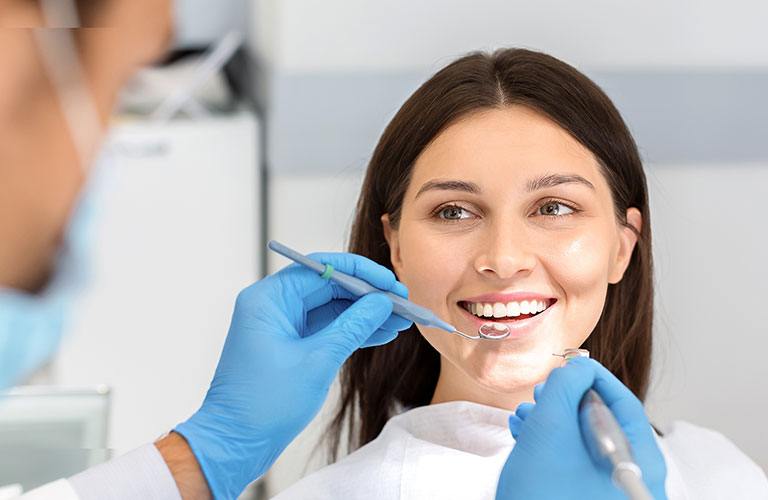
During a regular visit, your dentist can
- Check how your upper and lower teeth meet
- Look for wear marks from clenching or grinding
- Measure crowding and spacing
Then your dentist can explain what might happen next if you ignore these signs. This straight talk helps you act early. It also helps your child avoid long treatment later.
Why Early Care Matters For Children
Children’s jaws grow fast. That growth can help or harm their bite. Preventive visits use that growth in your favor. Simple steps during childhood can guide teeth into better paths.
At checkups, the dentist can
- Watch how baby teeth fall out and how adult teeth come in
- Spot thumb sucking or mouth breathing that affects jaw growth
- Check for crossbites or open bites while bones still change
The American Dental Association suggests regular visits starting by a child’s first birthday. When you start early, you give your child a calmer path and fewer surprises.
Daily Habits That Shape Orthodontic Problems
Orthodontic problems do not only come from genes. Your daily choices also play a role. Some habits slowly push teeth into poor spots.
Common triggers include
- Thumb or finger sucking past age 4
- Prolonged pacifier use
- Mouth breathing from untreated allergies
- Clenching or grinding teeth during sleep
- Chewing ice or hard objects
Preventive dentistry shines a light on these patterns. Your dentist can coach you and your child on small changes. Over time these changes protect jaw growth and tooth position.
Cleanings And Fluoride Support Alignment
Clean teeth and strong enamel support straight smiles. Cavities and early tooth loss often lead to crowding and bite shifts.
Routine cleanings and fluoride help you
- Prevent cavities that can change tooth shape
- Avoid early loss of baby teeth that guide adult teeth
- Keep gums firm enough to support tooth position
The Centers for Disease Control and Prevention explains how fluoride protects enamel and lowers decay. When you combine fluoride with brushing, flossing, and cleanings, you build a strong base for a stable bite.
Simple Preventive Steps Versus Later Orthodontic Treatment
Early care often costs less time and money than long orthodontic work. It also causes less stress for children and adults. The table below shows a general comparison. Costs and times are examples, not exact quotes.
| Type of Care | Typical Timing | Common Purpose | Estimated Duration | Relative Cost |
|---|---|---|---|---|
| Regular exams and cleanings | Every 6 months | Watch growth and catch small changes | 30 to 60 minutes per visit | Low |
| Fluoride and sealants | Childhood and teen years | Prevent decay that affects tooth position | 15 to 45 minutes per visit | Low to moderate |
| Habit counseling | As soon as habits appear | Reduce thumb sucking, grinding, mouth breathing | Several short visits | Low |
| Space maintainers | After early loss of baby teeth | Hold space for adult teeth | Months to a few years | Moderate |
| Full braces | Later childhood or teens | Correct crowding and bite problems | 18 to 30 months | High |
| Jaw surgery with braces | Late teens or adults | Fix severe bite and jaw issues | Years including recovery | Very high |
You cannot prevent every problem. You can lower the odds and the severity. Early steps often turn what could be a crisis into a small fix.
What To Expect At A Preventive Visit
When you know what will happen, you feel calmer. A preventive visit usually follows a simple pattern.
You can expect
- A talk about your concerns and your child’s habits
- Cleaning to remove plaque and tartar
- Checks of gums, teeth, and how they meet
- Possible X rays to see hidden crowding or extra teeth
- Clear advice about home care and next steps
You can bring questions about braces, aligners, or jaw growth. Your dentist can explain whether you need an orthodontic consult now or later. That shared plan lowers worry and guesswork.
How To Support Your Family Between Visits
Preventive dentistry continues at home. Your choices each day protect your smile and your bite.
Key steps include
- Brush twice each day with fluoride toothpaste
- Floss once each day
- Use a mouthguard for sports
- Limit sugary drinks and snacks
- Watch for mouth breathing, snoring, or jaw pain
If you notice changes in your child’s bite or speech, call your dentist. A short visit now may prevent long treatment later.
Taking Control Of Your Future Smile
Preventive dentistry gives you control over your mouth and your child’s growth. You do not wait for pain or crooked teeth. You act while problems are small and easier to guide.
When you keep regular visits, follow home care steps, and address habits early, you lower the need for complex orthodontic work. You also protect your comfort, your confidence, and your family budget. Your choices today shape how you eat, speak, and smile for years.