Exotic pets depend on you. You want to know they get the same careful treatment as any cat or dog. Animal hospitals now see snakes, lizards, parrots, ferrets, and many other species. Yet their bodies, diets, and needs differ in important ways. A Burlington cat and dog veterinarian may work with a special team trained for exotic pets. Together, they adjust exam rooms, tools, and medicines so your pet stays safe. They look for quiet spaces, gentle handling, and the right temperature. They ask about food, light, and how you house your pet. They also plan blood tests and imaging that fit tiny or fragile bodies. You see clear guidance, not guesswork. This blog explains how animal hospitals prepare, what you can expect at a visit, and how you can support your exotic pet at home.
Why Exotic Pets Need Different Care
You might see a bird, snake, or rabbit as small and simple. The truth is harsher. Exotic pets often hide pain. They can fade fast without clear signs. Many health problems link to the wrong food, poor housing, or stress.
Veterinarians use current science and training. For example, the U.S. Department of Agriculture explains how different species need different housing and handling for safe care.
When a hospital treats exotic pets, staff learn how each species:
- Handles heat, cold, and light
- Shows pain or fear
- Needs special food or water
This knowledge protects your pet from quiet suffering.
How Hospitals Prepare For Exotic Patients
Animal hospitals that see exotic pets change simple details that matter. They plan for three core needs. These are calm, safety, and clear records.
First, they set aside quiet rooms. Many exotic pets panic from barking or strong smells. A calm room lowers stress and allows better exams.
Second, they use species specific tools. These can include:
- Tiny masks for gas anesthesia
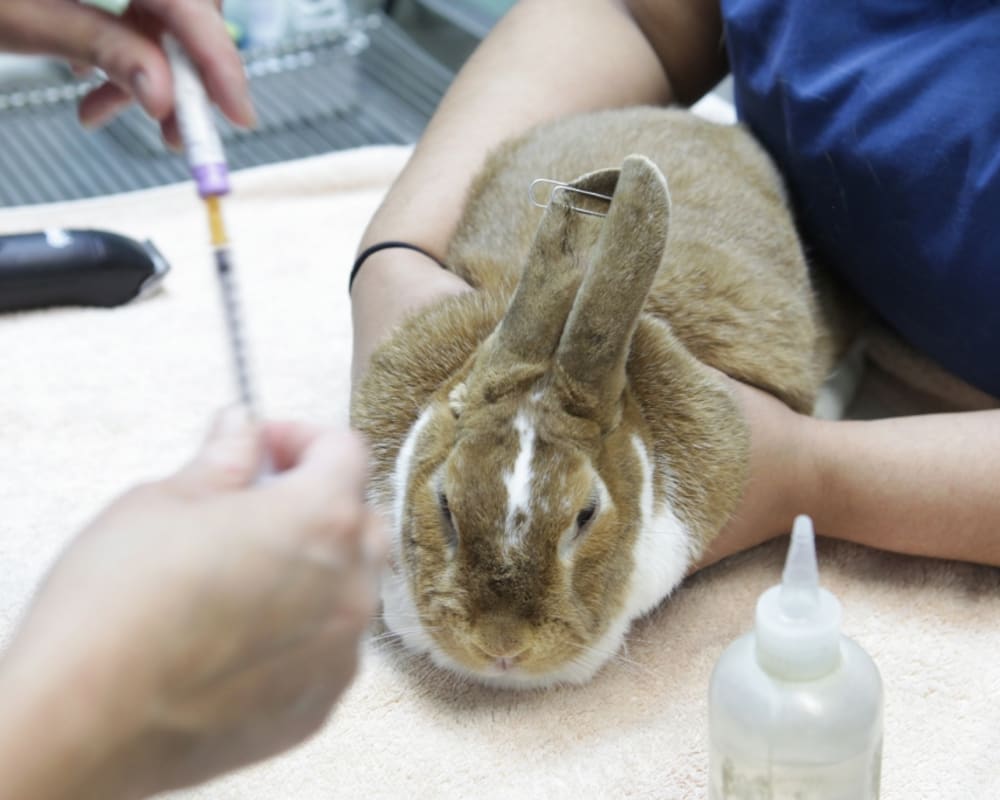
- Small syringes and needles
- Scales that measure down to grams
- Heating pads with strict controls
Third, they keep detailed notes. They track temperature, diet, cage type, light cycle, and past health. You might see more questions than during a dog visit. Those questions protect your pet.
What Happens During an Exotic Pet Visit
You help from the first phone call. The hospital may ask you to bring photos of the cage or terrarium. They may ask you not to clean the cage so they can look at droppings and setup.
At the visit, staff often follow three steps.
1. History and Housing Review
- What your pet eats each day
- Type of cage, bedding, and lighting
- How long you have seen the problem
Many issues start with housing. Veterinarians use guidance from groups like the University of Florida’s exotics program, which stresses correct temperature and humidity for reptiles and birds.
2. Physical Exam
- Weight and body condition
- Eyes, mouth, skin, and scales or feathers
- Heart, lungs, and belly
Handling is slow and careful. Staff may wrap birds or small mammals in a towel to prevent injury.
3. Tests and Treatment Plan
Next, the team may suggest tests such as:
- Fecal tests for parasites
- Blood tests from a tiny vein
- X rays or ultrasound for bones and organs
You then get a clear plan. It may cover medicine, diet change, cage changes, or follow up visits.
Common Exotic Pets and How Hospitals Help
Common Exotic Pets and Key Care Needs
| Species | Frequent Problems | Hospital Focus |
|---|---|---|
| Parrots and other birds | Feather loss, breathing trouble, poor diet | Beak and feather exam, diet change, air sac checks |
| Snakes and lizards | Shedding issues, weak bones, infections | Temperature and light review, calcium support, skin care |
| Rabbits | Dental overgrowth, gut stasis, fly strike | Tooth trims, hay based diet plan, wound care |
| Ferrets | Hormone disease, insulin issues, adrenal problems | Blood work, hormone tests, medicine or surgery |
| Small rodents | Tumors, breathing disease, bite wounds | Lump checks, chest imaging, safe antibiotics |
How You Can Prepare Before a Visit
You can make each visit safer. Focus on three steps before you leave home.
- Gather details. Write down diet, supplements, and any recent changes.
- Take photos. Show cage size, lights, heat source, and food bowls.
- Use a safe carrier. For reptiles, use a secure box with air holes and a warm pack wrapped in a towel. For birds and small mammals, use a covered carrier to block noise and light.
Do not bring loose pets in your hands. Sudden sounds can trigger bites, escapes, or heart strain.
Ongoing Care At Home
Exotic pets need steady care, not only crisis visits. You protect your pet when you:
- Schedule regular checkups as advised
- Weigh your pet on the same scale each week
- Watch for small changes in eating, droppings, or behavior
Early change often means early help. Waiting can turn a small problem into suffering.
When To Seek Urgent Help
Call an animal hospital at once if your exotic pet shows any of these signs.
- Not eating for more than one day
- Open mouth breathing or tail bobbing in birds
- Sudden weakness or collapse
- Bleeding, broken bones, or burns
- Swollen belly or straining to pass stool or eggs
Do not try home cures or online advice in place of care. Many common tips cause harm.
Standing Up For Your Exotic Pet
You are your pet’s only voice. You can ask a hospital clear questions.
- How many exotic pets do you see each week
- What training do staff have for this species
- What should I watch for at home after this visit
Strong care for exotic pets is possible. It starts when you choose a hospital that respects their special needs and works with you as part of the team. Your steady attention and their focused skill give your pet a safer, calmer life.