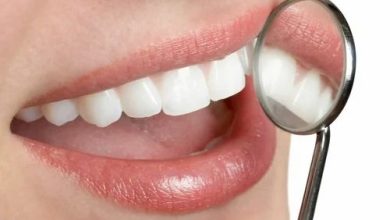

Your smile affects how you eat, speak, and face people each day. You might think general care and cosmetic care are separate. They are not. They depend on each other. Strong teeth and gums give you a safe base for any change in how your smile looks. Cosmetic work then builds on that base and gives you a clean, even look. An Albany dentist can repair damage, stop pain, and also shape a smile that fits your face and your life. This mix of health and appearance can ease worry, reduce shame, and help you show up in public with less fear. In this blog, you will see five clear ways general and cosmetic dentistry work together. You will see how they protect, restore, and polish your teeth so you can chew, speak, and smile with confidence.
1. Cleanings and whitening support each other
Routine cleanings keep your teeth strong and free of infection. They remove plaque and tartar that you cannot brush away at home. This helps prevent cavities and gum disease. It also keeps your breath fresh. A clean mouth gives any cosmetic work a safe start.
Teeth whitening changes how your smile looks. It lifts stains from coffee, tea, tobacco, and age. Whitening works best on teeth that are already clean and healthy. If you skip cleanings, whitening can lead to uneven color and pain. You might also miss signs of decay that need treatment first.
For more on cleanings and decay, you can read the National Institute of Dental and Craniofacial Research guide on cavities.
Cleanings and Whitening: How They Work Together
| Step | General Dentistry Role | Cosmetic Dentistry Role | Result For You |
|---|---|---|---|
| Before treatment | Check gums and teeth for disease | Plan shade and method for whitening | Safe plan that fits your mouth |
| During visit | Remove plaque and tartar | Apply whitening agent to clean teeth | More even color and less risk of pain |
| After care | Teach brushing and flossing habits | Give tips to keep stains from coming back | Color lasts longer with fewer touchups |
2. Fillings and crowns protect and shape your smile
Cavities are common. When you treat a cavity early, your dentist can place a small filling and keep most of the tooth. Tooth colored fillings support both health and appearance. They seal out bacteria and also blend with nearby teeth. You can speak and laugh without a dark spot showing.
Sometimes a tooth needs more help. A crack, large cavity, or root canal can weaken it. A crown covers the tooth like a cap. It protects the tooth from breaking. It also restores the size and shape of the tooth so your bite feels natural. In many cases, the crown can match the color of your other teeth.
This mix of protection and shaping prevents more damage. It also keeps gaps and sharp edges from changing your bite or hurting your tongue and cheeks.
3. Gum health supports a complete smile line
Gums hold your teeth in place. When gums get sick, they pull away from the teeth and bone starts to fade. This can lead to loose teeth or tooth loss. Early gum disease often has no pain. Regular exams and cleanings give your dentist a chance to spot early signs and treat them.
Healthy gums also frame your teeth. Red, swollen, or bleeding gums can draw attention away from your teeth. Some people feel shame about a “gummy” smile or uneven gum line. Once infection is under control, your dentist may suggest gentle reshaping of the gums. This can even out the gum line and show more of the natural tooth.
You can learn more about gum disease from the Centers for Disease Control and Prevention. Early care protects your health and supports any cosmetic work you may choose later.
4. Straightening teeth improves function and appearance
Crooked or crowded teeth are hard to clean. Food and plaque get stuck in tight spots. This raises your risk of cavities and gum disease. It can also change how your teeth wear down over time. Some people also notice jaw pain or frequent biting of the cheeks or tongue.
Teeth straightening helps in three ways.
- It improves your bite so your teeth meet in a safer pattern.
- It opens space so you can brush and floss with less struggle.
- It lines up your teeth so your smile looks even and calm.
General and cosmetic goals work together here. Your dentist will first check for decay, gum disease, or other problems. Then you can talk about braces or clear aligners. A healthy mouth handles tooth movement better. After straightening, you may choose small cosmetic changes such as shaping edges or whitening.
5. Restoring missing teeth supports your face and your confidence
Missing teeth affect more than your smile. They can change how you chew and speak. They can also change the shape of your face. Nearby teeth can tilt or drift into the gap. This can create new places for plaque to hide and raise your risk for more tooth loss.
General dentistry focuses on replacing function. This can include partial dentures, full dentures, bridges, or implants. Each option fills spaces and helps you chew again. Cosmetic planning then fine tunes the color, size, and position of the new teeth. The goal is a natural look that supports your lips and cheeks.
This mix of repair and design helps you feel more at ease in family photos, job talks, and daily life. You do not have to hide your teeth behind a tight smile or hand.
How to get started with a complete smile plan
You do not need a long list of treatments to start. You only need one clear first step. Begin with a full exam and cleaning. During that visit, you can talk about what bothers you most. You can also share medical history and any fears about treatment.
Next, your dentist can create a simple plan that often follows this order.
- Treat infection and pain.
- Repair damaged teeth.
- Stabilize gums and bite.
- Add cosmetic changes such as whitening or shaping.
This order protects your health and your budget. It also helps each step support the next one. General care builds the base. Cosmetic care completes the look. Together they help you eat, speak, and smile with less fear and more peace.