Teaching a child to care for their teeth is not just another task. It shapes how they feel about their body, their smile, and their health for years. You set the tone. When you show clear routines and calm patience, your child learns that brushing and flossing are not a fight. They are a normal part of each day. Many parents feel unsure about where to start or how strict to be. That pressure can lead to power struggles, tears, or skipped brushing. You do not need perfection. You need simple steps that you repeat. This guide shares clear tips you can use today at home. It also explains when to ask for help from a dentist in Mequon, WI so you do not feel alone with your worries. With the right habits, your child can grow up with less pain, fewer cavities, and more trust in their own body.
Start Early And Keep It Simple
You can start caring for your child’s mouth even before the first tooth shows. You can
- Wipe the gums with a clean, damp cloth after feedings
- Switch to a small soft toothbrush when the first tooth appears
- Use a smear of fluoride toothpaste about the size of a grain of rice for children under 3
- Use a pea sized amount of fluoride toothpaste for children 3 to 6
The American Dental Association explains that fluoride toothpaste helps prevent cavities and keeps enamel strong.
Build A Routine Your Child Can Trust
Children feel safe when they know what comes next. A steady mouth care routine helps your child accept brushing without a fight. You can
- Brush in the same place each time, such as the bathroom sink
- Brush at the same times, morning and night
- Keep the steps in the same order, such as brush, spit, then drink water
Try the rule of three
- Two minutes of brushing
- Two times each day
- Help until at least age 7 or 8
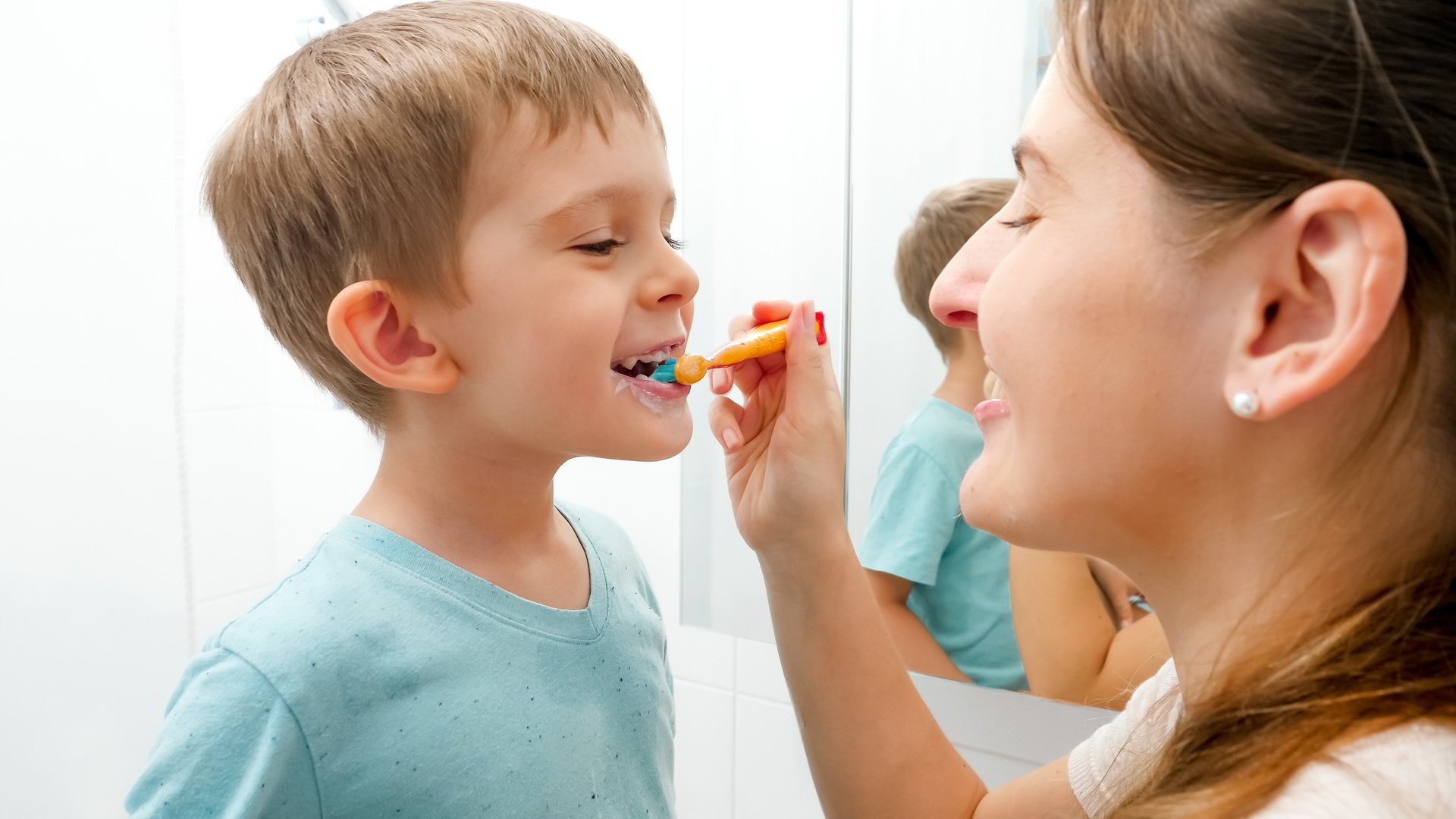
You should guide your child’s hand or do the brushing yourself until you know your child can reach all sides of every tooth. You can think of tooth brushing like tying shoes. Your child needs time with your help before doing it alone.
Use Clear Steps Instead Of Long Talks
Children learn through doing. Long talks about plaque or gum disease will not help. Clear steps will help. You can teach your child to
- Place the brush at the gums where the teeth start
- Move the brush in tiny circles
- Brush the outside, inside, and top of every tooth
- Brush the tongue to reduce bad breath
You can stand behind your child and use a mirror so both of you see the same thing. You can use calm words like “top teeth, bottom teeth, tongue.” Short steps are easier to follow than long warnings.
Turn Brushing Into A Shared Task
Your child watches what you do. When you treat mouth care as a shared task, not a punishment, your child feels less fear. You can
- Brush your teeth at the same time as your child
- Use a timer or a short song for two minutes
- Let your child pick the toothbrush color or song
You stay in charge of the brushing. Your child can help with safe choices like cup, song, or toothbrush. This gives your child a sense of control without losing the routine.
Limit Sugary Drinks And Snacks
Food and drink choices affect your child’s teeth as much as brushing. Sugar feeds the germs that cause cavities. The Centers for Disease Control and Prevention explains that frequent sugary snacks can lead to tooth decay.
You can
- Keep juice, soda, and sports drinks as rare treats, not daily drinks
- Offer water between meals
- Serve snacks like cheese, nuts, plain yogurt, and cut fruit
- Avoid sticky candies that cling to teeth
Nighttime bottles or cups with milk or juice can cause deep decay. If your child needs a drink at night, you can offer water only.
Know When To Start Dentist Visits
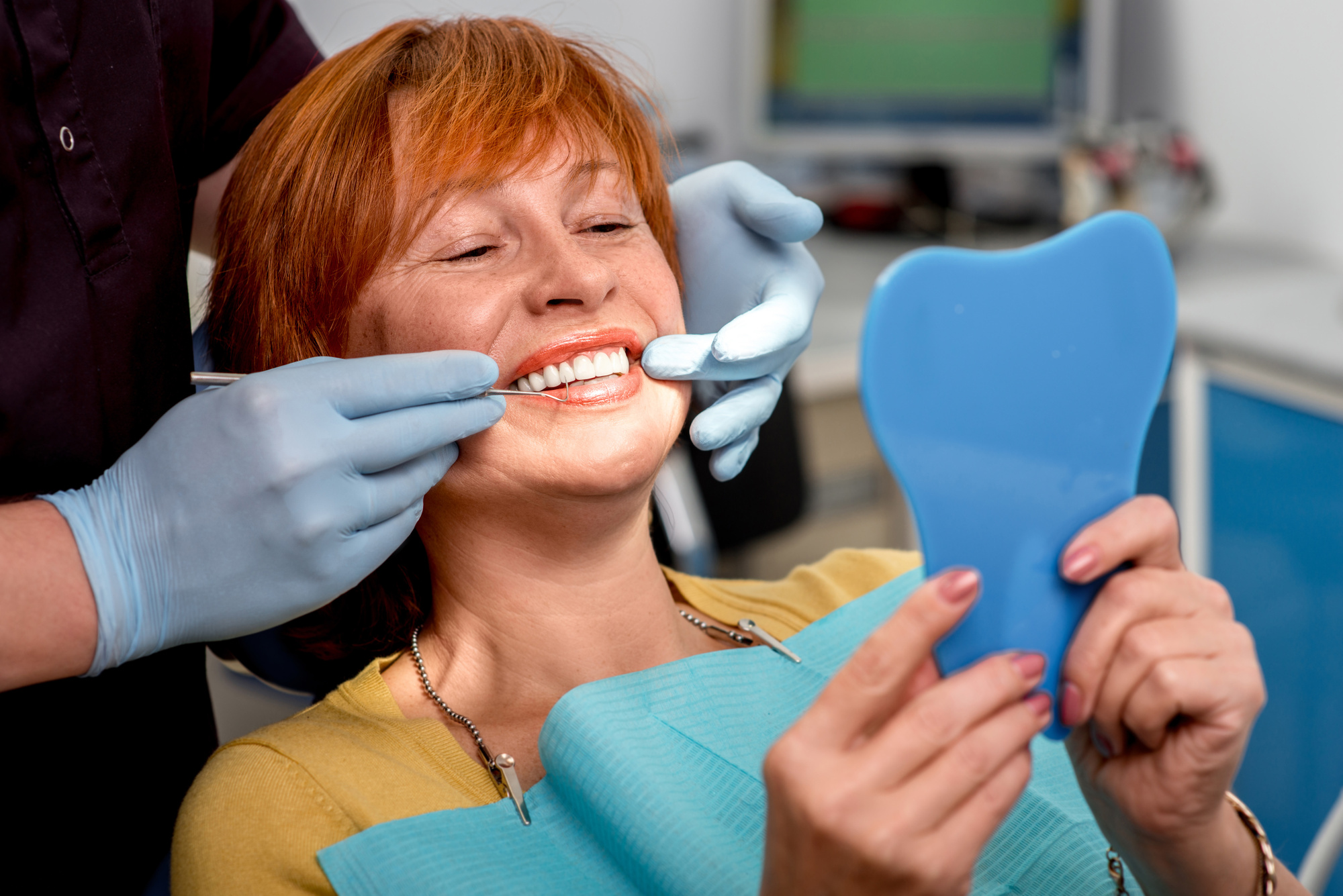
You should schedule your child’s first dental visit by the first birthday or within six months of the first tooth. Regular visits help
- Find early signs of decay before your child feels pain
- Check how the teeth and jaws grow
- Teach you and your child better brushing and flossing skills
Routine care is more effective after treatment. If your child already had cavities treated, follow up visits protect that work and lower the chance of new problems.
What To Expect At Different Ages
| Child Age | Your Role | Child’s Role | Dental Visit Goal |
|---|---|---|---|
| Birth to 1 | Clean gums with cloth. Schedule first visit. | Relax in your arms during mouth cleaning. | Build trust. Check early tooth growth. |
| 1 to 3 | Brush twice daily. Use smear of fluoride toothpaste. | Hold brush for a short time with your help. | Watch for early cavities. Learn feeding tips. |
| 3 to 6 | Brush and start flossing once teeth touch. | Spit out toothpaste. Follow simple steps. | Reinforce routine. Apply fluoride as needed. |
| 6 to 12 | Supervise brushing. Guide flossing every night. | Brush for two minutes. Floss with help. | Watch adult teeth growth. Discuss braces if needed. |
Handle Resistance Without A Fight
Some children refuse brushing. This can trigger anger or shame. You can stay calm and steady. You can
- State the rule, such as “We brush every morning and every night”
- Offer a simple choice, such as “Brush in the bathroom or in your room”
- Use a sticker chart or bedtime story as a reward, not candy
If your child has strong fear or sensory issues, you can speak with your dentist about softer brushes, different flavors, or short “practice visits” that only involve sitting in the chair.
When To Ask For Extra Help
You do not need to wait for pain to ask for support. You should contact a dentist if you see
- Brown or white spots on the teeth that do not brush away
- Swollen or bleeding gums
- Ongoing bad breath
- Tooth pain or trouble chewing
Early care often means smaller, less intense treatments. Early care also protects your child’s trust in mouth care. A calm visit today can prevent panic later.
Stay Consistent And Patient
Teaching good mouth habits is a long process. You will have nights when brushing is rushed or skipped. You can return to the routine at the next chance. Children remember patterns more than single days. When you keep the message clear, your child learns
- My teeth matter
- My parent will help me
- I can care for my own body
Each brushing, each checkup, and each small choice about snacks sends that message. Over time, these simple steps protect your child’s teeth and also build trust, courage, and self respect.