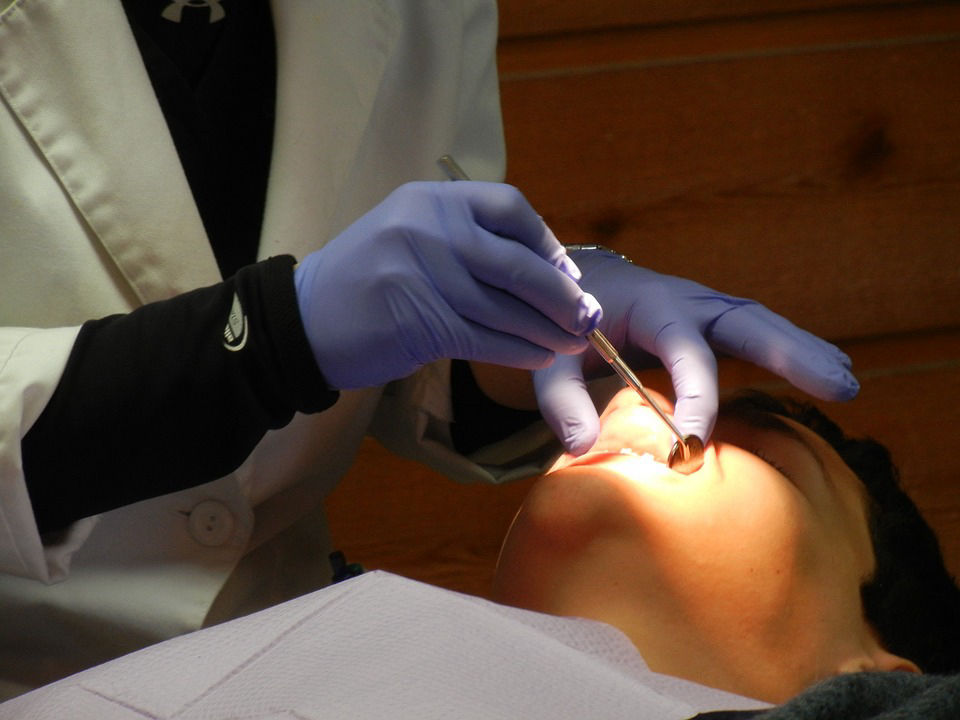

Your mouth is not separate from the rest of your body. It is the front door to your health. When you ignore bleeding gums, tooth pain, or dry mouth, you are not only risking teeth. You are pushing your heart, blood sugar, and immune system under more strain. A Wantagh dentist sees early signs of disease that you might miss. Small mouth changes can point to heart trouble, diabetes, sleep apnea, or infection. Regular cleanings, X rays, and checkups do more than keep your smile steady. They help catch danger before it spreads. This blog explains how general dentistry links everyday care in the chair to your heart, lungs, brain, and gut. You will see how simple steps like cleanings, fluoride, and early treatment protect your whole body. You deserve clear answers and a plan you can follow.
Why your gums and teeth matter for your whole body
Gum disease starts with plaque and swollen gums. It often stays quiet. You may see a little blood when you brush. You may smell a sour taste. Then you move on with your day. That small problem carries a heavy load for the rest of your body.
When gums swell, tiny breaks open along the gumline. Bacteria and toxins slip into your blood. Your immune system stays on high alert. This steady low level fight raises inflammation in blood vessels and organs. The Centers for Disease Control and Prevention explains that poor oral health links to heart disease, diabetes, and pregnancy problems.
General dentistry targets this chain early. Cleanings strip away plaque. Deep cleanings smooth roots so gums can heal. Regular checks catch pockets and bleeding before bone loss starts. When you treat gum disease, you lower the burden on your heart and your immune system.
How oral health connects to common chronic conditions
You may see your dentist more often than your doctor. That gives your dental team a clear window into changes that affect your whole body.
Links between oral signs and body health
| Oral sign your dentist may see | Possible whole body concern | How general dentistry helps |
|---|---|---|
| Red, swollen, or bleeding gums | Higher risk of heart disease and stroke | Cleanings, gum treatment, home care coaching |
| Loose teeth or bone loss | Advanced gum disease and inflammation in blood vessels | Deep cleanings, bite checks, referral for medical review |
| Dry mouth and many cavities | Possible diabetes or side effects from medicines | Fluoride, saliva aids, letter to your doctor |
| Worn teeth and jaw pain | Sleep apnea or stress grinding | Night guards, sleep study referral |
| White or red patches that do not heal | Possible oral cancer or immune problems | Biopsy, close follow up, cancer care team contact |
These links are not guesses. The National Institutes of Health share research that gum disease relates to heart and blood vessel disease.
Your heart and blood vessels
Heart disease is the top cause of death for many adults. You might think only about blood pressure and cholesterol. Your gums belong on that list.
Inflamed gums release substances that affect how your blood vessels relax and tighten. Bacteria that leave the mouth can stick to vessel walls. This process makes it easier for plaque to build in arteries. When you treat gum disease, studies show lower markers of inflammation in the blood.
General dentistry supports your heart when you:
- Keep cleanings every six months or as often as your dentist sets
- Follow through with deep cleanings when pockets are present
- Quit tobacco and limit sugary drinks and snacks
Your blood sugar and diabetes
Diabetes and gum disease feed each other. High blood sugar helps harmful bacteria grow along the gums. That growth makes infection more likely. In turn, gum infection makes it harder for your body to control blood sugar.
General dentistry breaks this cycle. Your dentist checks for dry mouth, burning tongue, and frequent infections. These signs often show before a diabetes diagnosis. When you already live with diabetes, the dental team times care with your meals and medicines. Cleanings and gum care help improve blood sugar control.
Simple steps support this link.
- Brush twice a day with fluoride toothpaste
- Clean between teeth daily with floss or small brushes
- Keep regular dental and medical visits and share updates across both teams
Your lungs and breathing
The mouth shares a path with the airway. Bacteria from the mouth can reach the lungs. For older adults and people with weak immune systems, this raises the risk of pneumonia.
General dentistry lowers this risk. Clean teeth mean fewer germs to inhale. Dentists also check for mouth breathing, snoring, and jaw shape that can point to sleep apnea. Custom mouthpieces can help keep the airway open. Referral to a sleep specialist can confirm the problem and guide treatment.
Your brain and memory
Studies suggest a link between long term gum disease and a higher chance of memory loss. Inflammation that starts in the mouth may affect brain cells over time. Tooth loss also affects how you eat. Poor chewing leads to poor nutrition, which harms brain health.
General dentistry protects your brain when you keep your teeth as long as possible. Early filling of cavities, crowns, and gum care all support this goal. When teeth cannot be saved, well fitting dentures or implants help you chew healthy food and keep social contact strong.
Your gut and nutrition
You start digestion when you chew. Sore teeth, missing teeth, or loose dentures push you toward soft processed foods. That pattern harms blood sugar, weight, and bowel health.
Routine dental care keeps chewing strong.
- Fillings repair small cavities before they fracture teeth
- Crowns protect weak teeth from breaking during meals
- Fluoride makes enamel harder so it can handle daily use
When chewing feels easy, you can eat fruits, vegetables, lean protein, and whole grains. That pattern supports your gut, your heart, and your mood.
Everyday steps you can take now
You do not need complex routines to protect your mouth and body. You need steady habits and support from your dental team.
- Brush morning and night for two minutes with fluoride toothpaste
- Clean between teeth daily
- Drink water instead of sugary drinks most of the time
- Keep regular dental visits even when nothing hurts
- Tell your dentist about all medicines and health conditions
- Call when you see blood, sores that do not heal, or sudden tooth pain
Your mouth sends early warnings about your heart, lungs, brain, and gut. When you stay engaged in general dentistry, you do more than protect teeth. You guard your whole body, one visit and one cleaning at a time.