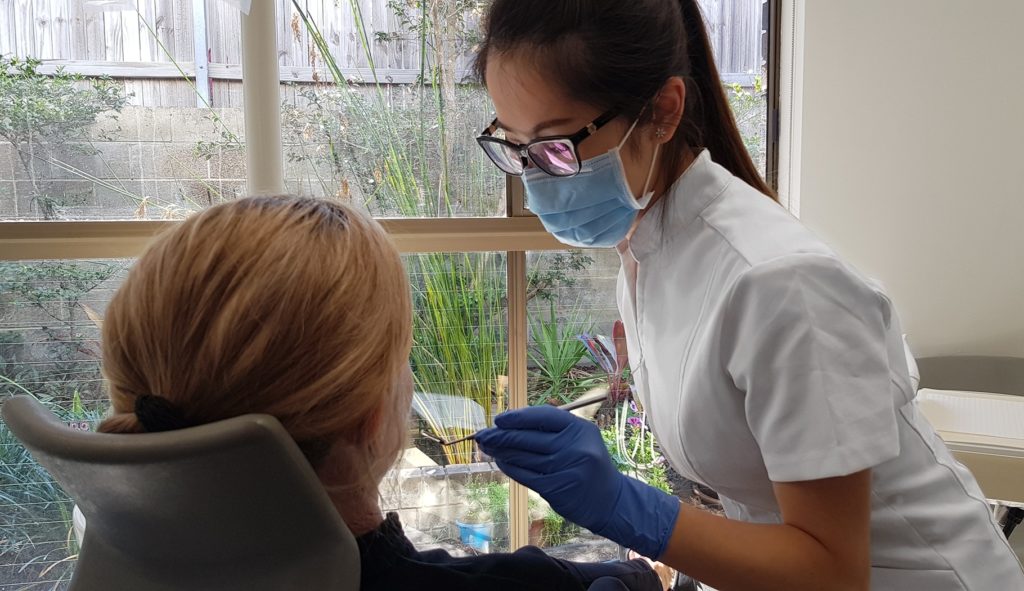

Your family’s health depends on steady habits, not crisis visits. Biannual checkups give you a clear view of what is happening in your body before small issues turn into emergencies. Every family member needs this rhythm. Children, teens, adults, and older adults all face different risks. Regular visits help you catch changes early, protect long term health, and avoid painful surprises. For example, a dentist in Ankeny can spot early tooth decay, gum disease, or signs of stress in the mouth long before you feel pain. The same pattern holds for medical and eye exams. You gain time to act, instead of rushing to fix problems after they grow. This blog explains three strong reasons to put two checkups a year on the calendar for everyone in your home. You will see how simple visits protect health, money, and peace of mind.
1. You Catch Problems Early While They Are Still Small
Quiet problems cause the deepest damage. High blood pressure, early cavities, and changing vision often grow without clear warning. By the time you notice symptoms, the damage can be harder to treat.
During a biannual checkup, your providers can:
- Check blood pressure, weight, and growth
- Review medicines and supplements
- Look for signs of depression or anxiety
- Screen for cavities, gum disease, and oral cancer
- Test vision and eye pressure
The Centers for Disease Control and Prevention explains that regular preventive care visits help find conditions early and lower the chance of serious disease.
Early care often means:
- Shorter treatment time
- Less pain
- Lower risk of long term damage
Every age group gains something different from this timing.
Common Hidden Problems Found During Biannual Checkups
| Age Group | Quiet Health Risks | Checks That Help |
|---|---|---|
| Children | Cavities, delayed growth, vision trouble | Dental exams, growth charts, vision screening |
| Teens | Depression, weight changes, sports injuries | Mental health checks, physical exams, joint checks |
| Adults | High blood pressure, high cholesterol, gum disease | Blood pressure, lab tests, dental cleanings |
| Older adults | Falls, hearing loss, eye disease | Balance checks, hearing tests, eye exams |
When you show up twice a year, you give your care team a timeline. They can compare numbers, notice trends, and act before trouble hardens into crisis.
2. You Protect Your Wallet And Your Time
Emergency care costs more money and time than routine visits. A root canal costs more than a cleaning. An emergency room visit costs more than a planned office visit. A major surgery pulls you from work and family life for weeks.
Biannual checkups help you:
- Avoid surprise bills from preventable emergencies
- Plan care during calmer times
- Use insurance benefits that often cover preventive visits
The National Institutes of Health notes that preventive services can lower long term costs by reducing hospital stays and major procedures.
Here is a simple comparison to show how costs and time can change when you keep regular checkups.
Example Cost And Time Comparison For One Person
| Type of Care | Typical Visits Per Year | Estimated Direct Cost | Estimated Time Off Work or School |
|---|---|---|---|
| Biannual checkups only | 2 routine visits | Low. Often covered as preventive care | 2 half days |
| No checkups until a crisis | 1 emergency visit plus follow up | High. Includes urgent fees and treatment | Several days or more |
These numbers vary by person and insurance. Yet the pattern stays the same. Routine care costs less than crisis care. You also keep more control over your schedule. You choose the day and time for checkups instead of losing control during a sudden emergency.
3. You Build A Strong Health Routine For Your Whole Family
Habits shape health more than quick fixes. When you schedule biannual checkups for every family member, you send a clear message. Health comes first. You show children and teens that care is normal and expected, not scary or optional.
Routine visits help you:
- Keep vaccines and screenings up to date
- Track growth, puberty, pregnancy, and aging
- Talk with a trusted provider about sleep, food, and movement
Children who grow up with steady checkups often handle future health issues with more calm. They know how to ask questions. They know what to expect during exams. That confidence protects them when they move out and make their own choices.
You can use three simple steps to build this routine.
- First, set fixed months for checkups. For example, choose January and July for the whole family.
- Second, keep a shared calendar. Write each visit date and time where everyone can see it.
- Third, prepare as a team. Help children write down questions. Gather medicine lists for older adults.
These small steps reduce fear and stress. They also reduce forgotten appointments. Over time, biannual checkups become as normal as school, work, or holidays.
Putting It All Together For Your Family
Biannual checkups give you three strong gains. You catch health problems early. You protect your money and your time. You build a steady routine that supports every person in your home.
You do not need to fix everything at once. You only need to start.
- Pick two months this year
- Call your medical, dental, and eye care offices
- Schedule visits for each family member
Each visit is a promise. You protect your body before it breaks. You protect your family from sudden fear and high bills. You choose steady care over silent damage.
Your next step can be simple. Open your calendar. Mark two checkup dates for every person in your home. Then keep them. Your future self will feel the difference.