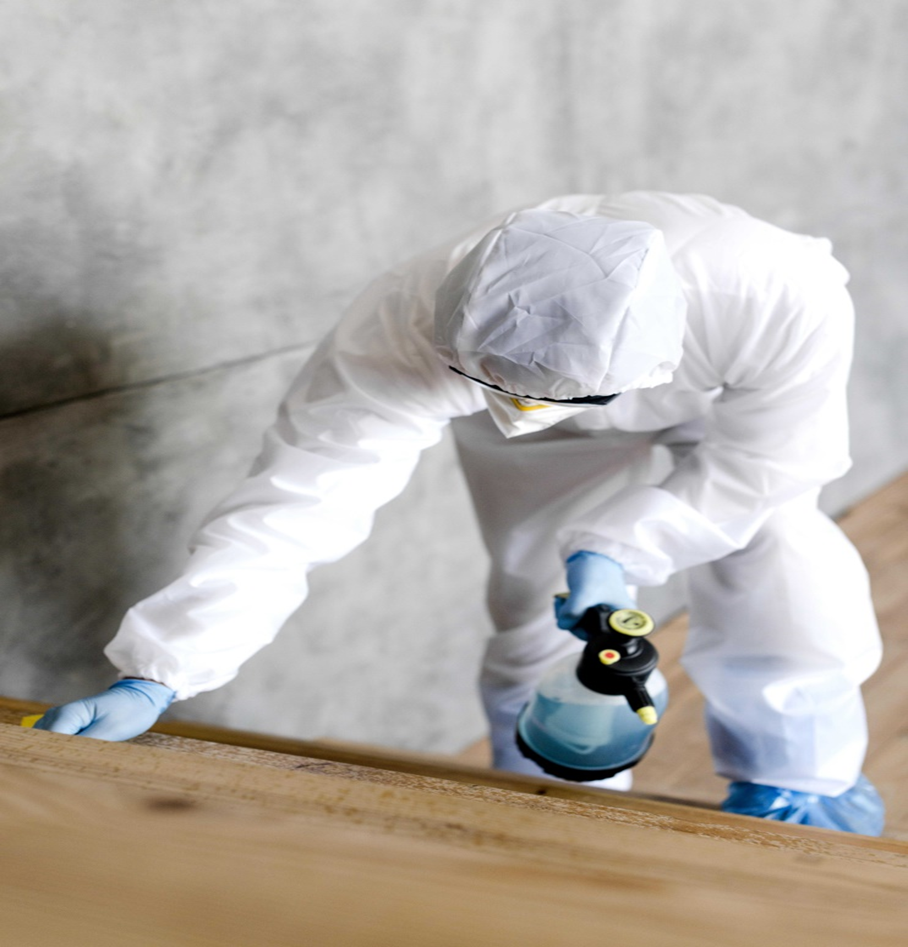
Pest control isn’t one-size-fits-all, especially when it comes to stubborn infestations like bed bugs. From eco-conscious prevention strategies to fast-acting chemical solutions, bed bug treatment and pest control methods vary widely in how they work, how quickly they deliver results, and their long-term impact. Understanding the difference between natural and chemical approaches helps homeowners choose the right solution based on severity, safety concerns, and long-term prevention goals.
What Is Natural Pest Control Methods and How Do They Work?
Natural pest control methods rely on biological, physical, and behavioral disruption, not synthetic toxins. Instead of killing pests on contact with poison, these natural pest control methods make the environment hostile or unattractive to pests so populations collapse over time. They focus on disrupting the conditions pests need to survive rather than poisoning them on contact, interfering with how pests feed, navigate, reproduce, and enter a space. Instead of creating a toxic environment, they create an inhospitable one.
Examples include biological controls such as introducing beneficial insects or nematodes that prey on pests, plant-based repellents like essential oils (cedarwood, peppermint, or clove) that interfere with insect nervous systems or scent trails, habitat modification that removes the food, water, and shelter pests depend on, and mechanical barriers like sealing entry points, traps, and exclusion screens. These approaches are commonly used in eco-friendly pest control programs.
The key difference is that natural methods work by breaking pest life cycles, not just wiping out visible insects. That’s why natural pest control methods are slower, but often more sustainable. When used correctly, they reduce pest populations gradually and help prevent future infestations by addressing root causes rather than symptoms.
Controlling Pests Organically: What It Means in Practice
In practice, controlling pests organically means using substances and methods derived from natural sources that meet organic standards — not that pests magically disappear without effort. Controlling pests organically focuses on managing pest populations using naturally derived substances and non-chemical strategies, rather than aiming for instant eradication.
It usually involves repeated treatments rather than one “knockout” spray, monitoring pest activity over time, combining prevention with targeted intervention, and accepting population control rather than total eradication. In practice, controlling pests organically requires consistent monitoring, targeted application, and removal of conditions that allow pests to thrive.
Organic control isn’t passive or weak. It’s simply process-driven, not chemical-driven. Results are typically progressive rather than immediate. Success depends more on consistency, prevention, and long-term balance than brute force or short-term elimination.
What Chemicals Do Pest Control Use?
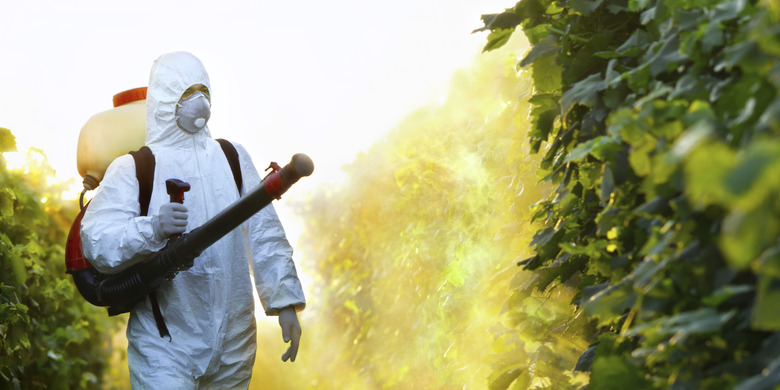
Most traditional chemical pest control relies on synthetic insecticides designed to attack pest nervous systems, growth cycles, or reproductive processes. Pest control companies commonly use compounds that overstimulate nerve signals, disrupt nerve transmission, prevent insects from maturing, or stop populations from reproducing, including newer synthetic formulations as well as older, more aggressive options that are now heavily restricted.
These chemical pest control products are effective because they kill pests quickly, work at very low doses, and continue working after application through a residual effect. That speed and reliability are why chemical treatments are still widely used, especially for severe or active infestations where immediate control is needed.
Natural Pest Control Methods vs Chemical Pest Control
The difference isn’t “good vs bad” — it’s speed vs sustainability. Chemical pest control prioritizes rapid population reduction, works fast, provides immediate relief, and often requires fewer visits initially, especially for severe infestations, but can create resistance over time.
Natural pest control methods take longer to show results and emphasize long-term prevention, environmental balance, and reducing repeat problems by addressing underlying causes. They often overlap with eco-friendly pest control, focusing on prevention, exclusion, and reduced reliance on repeated treatments.
Think of chemical control as a fire extinguisher, and natural control as fireproofing the building. Each approach solves a different problem, and effectiveness depends on timing, severity, and overall conditions.
Are Pest Control Chemical Harmful to Humans?
Modern chemical pest control products are regulated and tested for safety, but “safe” does not mean “harmless.” They are not completely without risk, as improper application or unnecessary exposure can affect humans, pets, beneficial insects, and local ecosystems. Potential risks include skin or respiratory irritation, toxicity to aquatic life and pollinators, accidental exposure for pets if instructions aren’t followed, and long-term environmental buildup in soil or water.
Professional application greatly reduces risk, but it doesn’t eliminate it. This is one reason many homeowners consider eco-friendly pest control or reduced-chemical approaches when appropriate.
Eco-Friendly Pest Control vs Traditional Treatments
eco-friendly pest control focuses on precision, exposure reduction, and environmental impact, not just ingredient labels. It’s less about being “chemical-free” and more about using the minimum force necessary to solve the problem while still achieving effective results.
This approach emphasizes reducing overall chemical exposure through targeted treatments, exclusion techniques, sanitation, monitoring, and prevention strategies. eco-friendly pest control applies treatments only where needed rather than relying on routine or widespread spraying.
When Natural Pest Control Methods and Eco-Friendly Pest Control Work Best
Natural pest control methods and eco-friendly pest control work best when pest pressure is low to moderate, the issue is recurring rather than explosive, prevention is possible through sealing entry points or removing attractants, and homeowners want long-term control rather than quick relief. These methods perform best when pest activity is detected early and environmental factors can be corrected.
They’re especially effective for ongoing or seasonal pest issues, including ants, spiders, early-stage roaches, occasional invaders, and outdoor perimeter issues where prevention plays a major role.
When Chemical Pest Control Is Necessary
Chemical pest control is usually necessary when there’s a large or established infestation, pests pose a health risk such as stinging insects or disease vectors, structural damage is possible from termites or carpenter ants, or when treatment requires a professional termite control company.
In these cases, chemical treatment isn’t a shortcut — it’s a stabilization tool. Chemical solutions control the immediate problem and prevent further damage, often followed by prevention-focused strategies such as eco-friendly pest control or exclusion work.
Choosing Between Natural Pest Control Methods and Chemical Pest Control
The best choice depends on the severity of the problem, risk tolerance related to children, pets, or environmental concerns, and long-term goals. Homeowners should also consider urgency and whether the issue is a one-time invasion or an ongoing problem.
In many cases, the smartest approach isn’t choosing one over the other — it’s using natural pest control methods or controlling pests organically when possible, and escalating to chemical pest control only when necessary. The best solution is the one that solves the problem effectively with the lowest necessary impact while reducing the likelihood of future infestations.