Your child’s smile is changing fast. Baby teeth fall out. Adult teeth push in. Small problems can grow into painful ones. You want care that keeps up. A children’s dentist who works closely with orthodontists spots trouble early. Crooked teeth, crowding, and jaw issues often start years before braces. Early teamwork means fewer surprises and fewer urgent visits. It also means your child gets one clear plan instead of mixed advice. Merced pediatric dentistry that includes a strong link with orthodontists gives your child steady care from the first tooth to the last. You save time. Your child feels safer with a team that already knows their mouth and their fears. This blog explains five clear benefits you can expect when your child’s dentist and orthodontist work side by side for every visit.
1. Early spotting of problems before they hurt
You want to catch problems when they are small. A children’s dentist watches gums and teeth. An orthodontist studies growth of the jaw and bite. When they share what they see, they can spot:
- Crossbites and open bites
- Crowding and extra teeth
- Missing teeth that never form
- Habits like thumb sucking that change the bite
The American Association of Orthodontists advises that children see an orthodontist by age 7. A dentist who already works with an orthodontist can make this step simple. You avoid guesswork. You get facts about what needs care now and what can wait.
2. One clear plan that grows with your child
Mixed advice creates stress. A joint team creates one plan. You hear the same message from both offices. That plan covers three simple stages.
- Baby teeth stage
- Mixed teeth stage
- Full adult teeth stage
Here is how care can look when the dentist and orthodontist work together compared to when they work apart.
| Care step | Team care(dentist and orthodontist) | Separate care(no close teamwork) |
|---|---|---|
| First checkups | Shared notes on growth and habits | Each office tracks its own record |
| Watch for crowding | Joint review of x rays and photos | Possible repeat x rays and extra visits |
| Timing of braces | Agreed start date that fits growth | Different opinions that confuse you |
| Care during braces | Dentist adjusts cleanings to wire needs | Risk of gaps in cleanings or rushed visits |
| After braces | Shared plan for retainers and checkups | Unclear plan for long-term follow-up |
You get a straight story about what matters most. You get a plan you can explain to your child in simple steps.
3. Fewer visits and less time away from school and work
Parents juggle school, jobs, and sports. Extra visits drain energy. When your child’s dentist and orthodontist work together, you often can:
- Book cleanings and wire checks on the same day
- Avoid repeat x rays and photos
- Cut down on emergency visits for broken wires or sore spots
The Centers for Disease Control and Prevention notes that children with poor oral health miss more school days and get lower grades. Strong team care helps keep your child in class and you at work. You still stay present for important visits. You just waste less time in waiting rooms.
4. Stronger prevention during and after braces
Braces and clear aligners trap food. That raises the risk of cavities and gum problems. A children’s dentist who works with orthodontists can shape cleanings and lessons around the braces. You get help with three main parts of prevention.
- Everyday cleaning at home
- Office cleanings and fluoride care
- Food choices that protect teeth
Your child learns how to clean around brackets and wires. The dentist times fluoride and sealants with treatment. The orthodontist fixes sharp or loose parts fast so your child can brush without pain. Together, they help your child leave treatment with a mouth that feels strong, not weak from cavities and white spots.
5. Less fear and more trust for your child
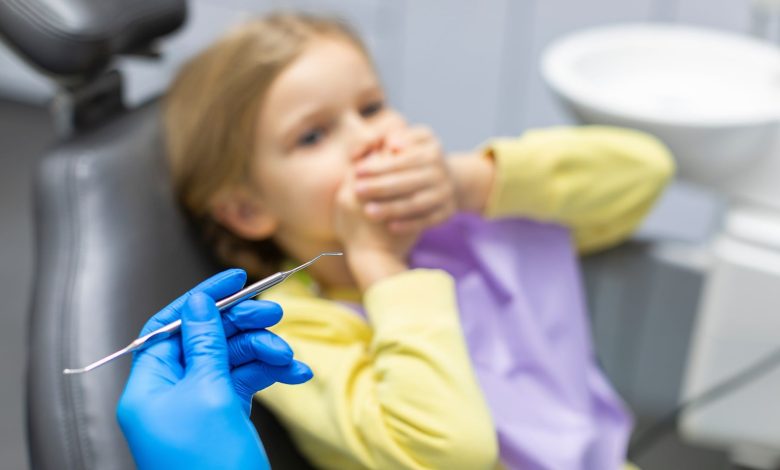
Many children feel fear in dental chairs. New faces and new tools can trigger tears. A close team can lower that fear. Your child sees the same people often. They hear the same calm voice explain each step. They learn that both offices share one goal. They want your child to chew, speak, and smile without pain.
This steady trust helps when treatment gets hard. Tight wires, sore teeth, and long visits test any child. A shared team can offer simple coping steps.
- Shorter visits when possible
- Clear words about what your child will feel
- Rewards that match your child’s age and needs
You also gain a safe place to ask hard questions. You can speak about money, timing, and your child’s fears without feeling judged.
How to choose the right children’s dentist and orthodontist team
You can look for three signs when you choose care.
- They share records and talk before and after visits.
- They welcome your questions and give the same answers.
- They explain the full plan from baby teeth to braces and beyond.
You can ask simple questions. How often do you meet to talk about patients? How do you handle emergencies? How do you help fearful children? Their answers should feel clear and steady.
When you choose a children’s dentist who works with orthodontists, you protect more than straight teeth. You protect your child’s comfort, time, and trust. You gain a clear path from the first tiny tooth to a strong adult smile that feels earned and secure.