
You watch your pet every day. You see small changes that others might miss. Still, some health problems grow in silence. Annual exams give you a clear picture of your pet’s health. You stop guessing. You gain facts. A trusted Westwood veterinarian can catch problems early, when treatment is simpler and less costly. Regular checkups also confirm when your pet is healthy. That quiet relief matters. You sleep easier knowing you did what you could. During an annual exam, you ask hard questions. You share worries about behavior, weight, or pain. You leave with a plan instead of fear. Each visit builds a record of your pet’s life. That record guides better choices about food, exercise, and care. You are not alone with your concern. You stand beside a medical partner who knows your pet and respects your love.
Why yearly exams matter for every pet
Pets hide pain. Survival instincts run deep. By the time you see clear signs, disease can be far along. Annual exams act like a flashlight in a dark room. You see what is really going on.
During a yearly visit, the veterinarian checks three core parts of your pet’s health.
- Body condition and weight
- Teeth, gums, eyes, ears, and skin
- Heart, lungs, and joints
The doctor may also suggest blood work or urine tests. These tests can show early kidney or liver disease before your pet seems sick. The American Veterinary Medical Association explains that regular preventive care supports longer and more comfortable lives for pets.
What happens during an annual exam
You stay with your pet during most of the visit. That helps your pet stay calm. It also helps you hear and see what the veterinarian finds.
A typical annual exam includes three simple steps.
- History. You share changes in appetite, energy, bathroom habits, or mood.
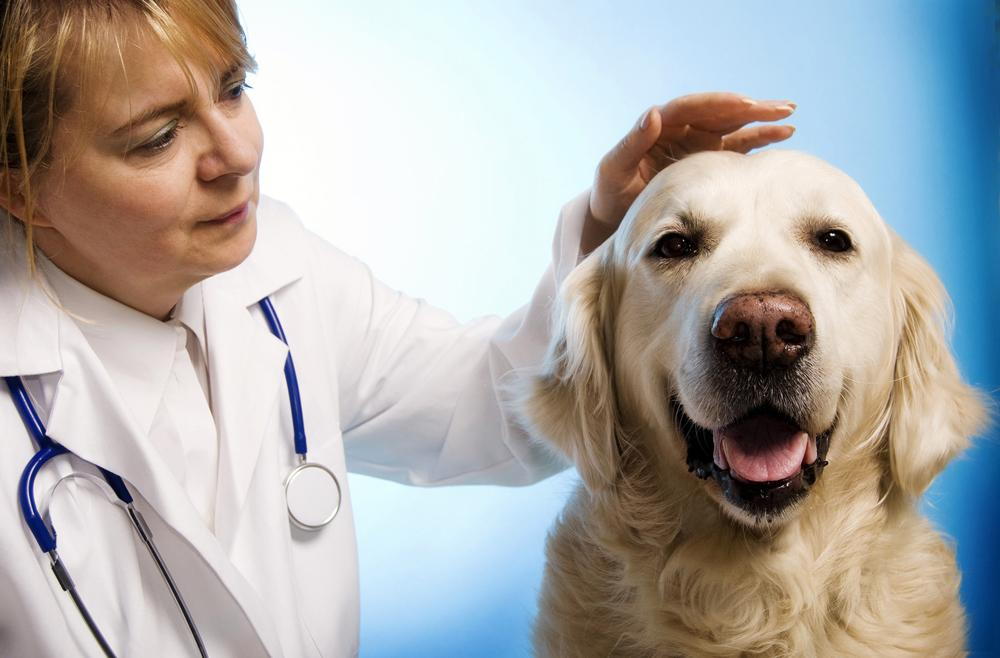
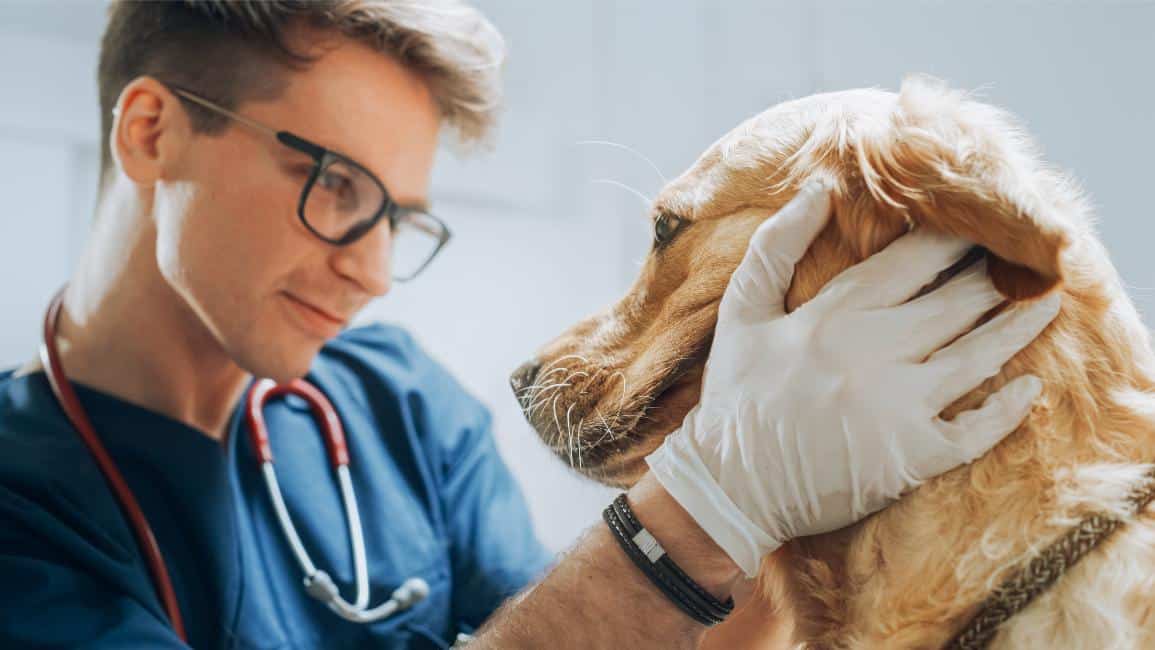
- Physical exam. The veterinarian looks, listens, and feels for trouble. The doctor checks the heart, lungs, joints, belly, and skin.
- Testing and vaccines. The team may run heartworm or parasite tests and update shots.
Each step gives a piece of the picture. Together, these pieces tell the story of your pet’s health today.
How annual exams prevent larger problems
Early action often means less pain for your pet and lower cost for you. A small issue caught now can stay small. Left alone, it can grow into a crisis.
Examples of early findings during annual exams
| Issue found at exam | What you might see at home | What early care can prevent |
|---|---|---|
| Dental tartar and gum redness | Bad breath or mild chewing trouble | Tooth loss and deep mouth infection |
| Heart murmur | None or slight slowing on walks | Severe heart failure and emergency visits |
| Small lump under the skin | Tiny bump you may ignore | Large tumor that needs complex surgery |
| High body weight | Pet looks stocky | Arthritis, diabetes, and breathing trouble |
These findings are common. They are also manageable when found early. You gain control instead of facing shock and panic later.
How often should your pet get an exam
The right schedule depends on age and health. The American Animal Hospital Association suggests the following pattern for most dogs and cats.
Suggested exam frequency by life stage
| Life stage | Age range | Suggested visit frequency |
|---|---|---|
| Puppy or kitten | Birth to 1 year | Every 3 to 4 weeks, then yearly after vaccines finish |
| Adult | 1 to 7 years | At least once every year |
| Senior | Over 7 years | Every 6 months or as your veterinarian recommends |
These visits add up to a steady guard for your pet’s health. They also protect your peace of mind.
Emotional benefits for you and your family
Worry about a pet’s health can drain you. It can cause tension at home. Children may feel fear but not know how to say it. Annual exams give your family three clear gifts.
- Clarity. You get plain answers about what is going well and what needs care.
- Control. You receive clear steps you can take at home.
- Comfort. You know a trained team is watching over your pet with you.
That calm confidence spreads. You handle small changes with steady focus instead of dread.
How to prepare for your pet’s annual exam
A little planning makes the visit smoother. It also helps your veterinarian give better advice.
- Write down questions about food, exercise, or behavior.
- Note any changes in thirst, bathroom habits, or sleep.
- Take photos of any skin spots or limping if they come and go.
- Bring a list of all medicines, supplements, or treats.
- For stool checks, ask if you should bring a fresh sample.
During the visit, speak up. No concern is too small. Your worry already means it matters.
Cost, value, and long-term peace of mind
Money stress is real. It can hold you back from scheduling care. Yet regular exams often save money over time. Treating a small ear infection early costs less than treating a deep head infection later. Managing weight now costs less than long-term care for joint disease.
Think of annual exams as a yearly safety check. You invest a set amount. You lower the chance of sudden, large bills and heartbreaking choices later. Most importantly, you protect the bond you share with your pet.
Taking the next step
If it has been more than a year since your pet’s last checkup, call your veterinarian today. Ask for a wellness exam. Bring your questions. Ask the team to walk you through every finding.
You cannot stop time. You can still give your pet a safer and more comfortable life. Yearly exams give you that power. They replace quiet fear with clear knowledge and a steady plan. That is real peace of mind for you and real protection for the animal who trusts you.