You ignore your teeth until something hurts. Then the worry starts. A general dental exam can stop that fear before it grows. It gives you clear answers about your mouth, your habits, and your risks. Many people in their thirties and forties already need repair work. They just do not know it yet.
This blog explains five clear signs that you should schedule a full exam soon. You will see how small issues turn into broken teeth, gum infection, and costly treatment. You will also learn how a careful checkup protects your heart, blood sugar, and daily comfort. Bucks County dentists use these exams to spot disease early, plan simple care, and keep you out of pain.
If you notice any of these signs, do not wait. Your body is warning you. Your next choice can protect your health, your money, and your peace of mind.
1. You have pain, bleeding, or swelling
Pain is a warning. Bleeding is a warning. Swelling is a warning. Together they point to infection or injury.
Pay close attention if you notice:
- Bleeding when you brush or floss
- Tender or puffy gums
- Sharp pain when you chew or drink cold water
These signs often mean gum disease or tooth decay. You might hope they fade on their own. They rarely do. They spread.
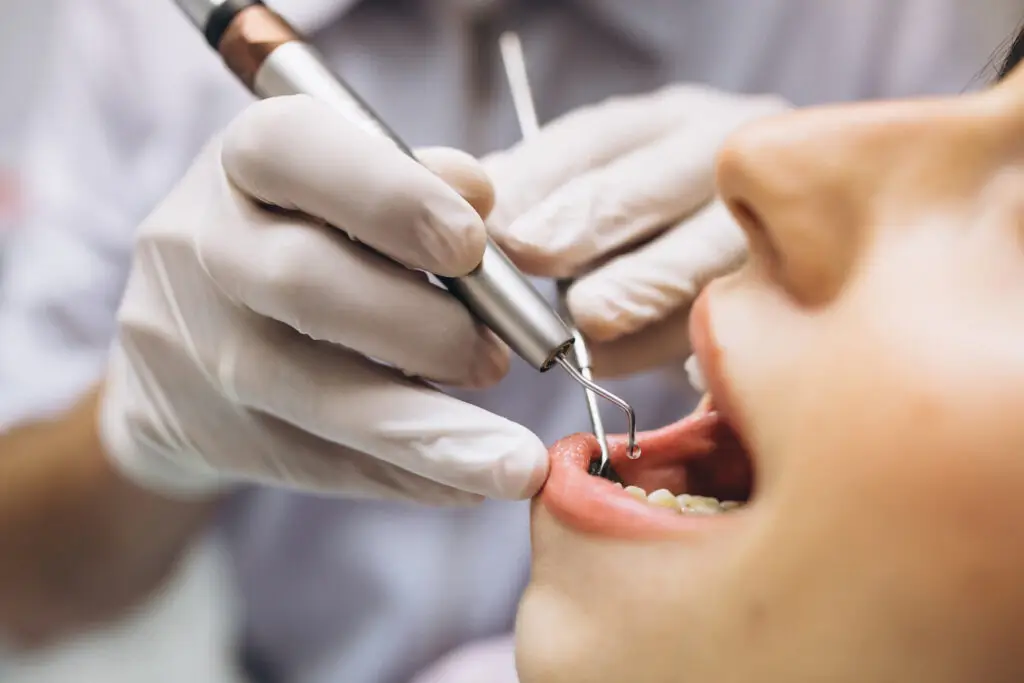
A full dental exam includes an exam of your gums, teeth, tongue, and jaw. The dentist checks pocket depth around teeth, looks for soft spots, and reviews X-rays. Early treatment can stop bone loss and save teeth. The Centers for Disease Control and Prevention explains how common gum disease is and why early care matters at this gum disease overview.
2. You avoid smiling or chewing on one side
How you use your mouth tells a clear story. If you hide your smile or chew on one side, you are already changing your life to work around a problem.
Common signs include:
- You cover your mouth in photos
- You refuse certain foods because they feel hard to chew
- You use the same side of your mouth every time you eat
These habits often mean cracked teeth, worn fillings, or bite problems. They can lead to jaw pain and more broken teeth. A general exam checks your bite, your jaw joints, and the way your teeth come together. The dentist can plan simple repairs that help you eat on both sides and smile in public without fear.
3. You have dry mouth or bad breath that will not go away
Chronic dry mouth and stubborn bad breath feel embarrassing. They also point to a real disease.
Watch for:
- Sticky feeling in your mouth
- Thick stringy saliva
- People stepping back when you speak
- Bad taste that stays even after brushing
Dry mouth raises your risk for fast cavities. It often comes from medicines, smoking, or medical conditions. Bad breath can signal gum infection, decay, or throat and sinus problems.
During a complete exam, the dentist checks your salivary glands, reviews your medicines, and looks for infection. Then you get a plan that might include fluoride, saliva support products, or changes in cleaning habits.
4. You have ongoing health issues like diabetes or heart disease
Your mouth and body are linked. Long-term health conditions raise the risk for dental problems. Dental problems also strain your body.
You need a thorough dental exam if you have:
- Diabetes
- Heart disease or a history of stroke
- Pregnancy
- Autoimmune disease
Research connects gum disease with poor blood sugar control and heart events. The National Institute of Dental and Craniofacial Research explains the link between diabetes and oral health at this diabetes oral health page.
A general exam for patients with these conditions is more than a quick look. It includes a careful review of your medical history, medicines, and current symptoms. You then get a clear plan for how often you need cleanings, what products to use at home, and how to manage risk.
5. You have not had X-rays or a full exam in years
Many people think cleanings are enough. They are not. Cleanings help. Exams protect.
You should schedule a full exam and X-rays if:
- It has been more than one year since your last exam
- You cannot recall your last bitewing or full mouth X-rays
- You have new medical diagnoses or medicines
X-rays show decay between teeth, bone loss, and hidden infection. The exam and X-rays together give a complete picture. That picture guides every safe choice in your care.
What a general exam checks compared to a quick visit
You might wonder how a full exam differs from a fast problem visit. This table shows key differences.
| Type of visit | What it checks | How often needed | Main goal |
|---|---|---|---|
| Comprehensive general exam | Teeth, gums, jaw, bite, tongue, soft tissue, X-rays, medical history | Every 1 to 3 years based on risk | Find disease early and plan care |
| Routine check and cleaning | Visible teeth and gums, plaque, tartar, stain | Every 6 to 12 months | Maintain daily health |
| Emergency or problem visit | One tooth or one symptom | As needed when pain or trauma occurs | Relieve pain and control urgent issues |
How to prepare for your exam
You get more value from your visit when you prepare. Before your exam, you can:
- Write down medicines and doses
- List any recent health changes
- Note pain, bleeding, or jaw sounds and when they occur
During the visit, ask three key questions.
- What do you see that concerns you
- What happens if I do nothing
- What is the simplest way to fix this early
Take your next step today
Your mouth is sending signals. Pain, bleeding, dry mouth, health changes, or long gaps between exams all point to the same truth. It is time for a complete look.
A comprehensive general dental exam gives you clear facts and a simple plan. It protects your teeth, your body, and your sense of control. If any of these five signs sound familiar, schedule an exam now. Your future self will feel relief, not regret.