Monitoring Power Consumption After Water Heater Maintenance: Ensuring Efficiency and Savings

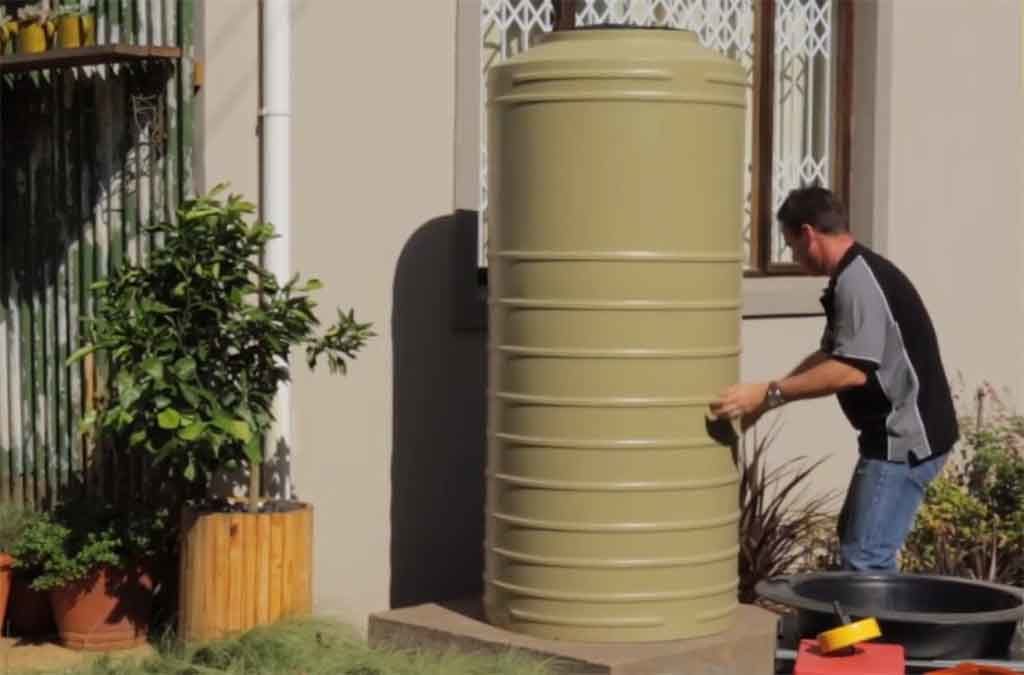
Water heaters play a crucial role in household energy consumption, accounting for a significant portion of utility bills. The energy consumption of a water heater is influenced by several factors, including the type of unit, its capacity, age, and efficiency ratings. Understanding these factors is essential for homeowners looking to monitor power consumption and ensure efficiency post-maintenance.
There are primarily two types of water heaters: tank and tankless. Tank water heaters, which store a large volume of hot water, typically consume more energy as they continually heat the water to maintain the desired temperature. Conversely, tankless water heaters, which heat water on demand, generally offer improved energy efficiency by providing hot water only when needed. However, their initial installation costs can be higher, making it essential for homeowners to weigh the long-term savings against upfront expenses.
The capacity of the water heater is another critical factor impacting power consumption. Larger capacity units require more energy to heat and maintain the water temperature. Additionally, the age of the water heater can influence its efficiency; older models may be less effective and consume more electricity due to wear and tear. Hence, regular maintenance and timely replacements are vital to preserving efficiency.
Furthermore, the energy efficiency rating of a water heater, often denoted by the Energy Factor (EF), is an essential measure to consider. A higher EF rating indicates greater efficiency, translating to lower energy bills. Heating water for essential household tasks, such as showers, dishwashing, and laundry, contributes significantly to overall energy use. By understanding these factors, homeowners can make informed decisions regarding their water heaters, ultimately promoting efficiency and cost savings.
The Importance of Regular Maintenance
Regular maintenance of water heaters is essential for ensuring their efficient operation and longevity. Routine upkeep helps in identifying and rectifying potential issues before they escalate into costly repairs or replacements. One vital maintenance task is flushing the tank. This procedure removes sediment buildup, which can impair heat transfer and increase energy consumption. By routinely flushing the tank, homeowners not only prolong the life of their water heater but also optimize its energy use, ultimately contributing to lower utility bills.
Another significant aspect of maintenance involves checking the anode rod. This component plays a crucial role in preventing corrosion inside the tank. Over time, the anode rod deteriorates, and neglecting to replace it can lead to more serious problems, such as leaks and rust, which can severely affect water heater performance and efficiency. Regular inspection of the anode rod can save homeowners from unexpected expenses down the line.
Inspections of heating elements are also critical. These components bear the brunt of the heating process, and a malfunction can lead to inefficient heating, increased energy consumption, and a higher risk of failure. Proper insulation around water heaters further enhances efficiency by minimizing heat loss. Insufficient insulation can lead to significant energy waste, thus impacting overall operating costs.
Engaging professional services for regular inspections is another key aspect of water heater maintenance. Professionals can conduct thorough assessments, identifying hidden problems and ensuring that the appliance operates within optimal efficiency parameters. Neglecting maintenance not only increases energy costs but can significantly reduce the lifespan of the unit. A well-maintained water heater is not just an asset for comfort; it also represents a commitment to energy savings and environmental responsibility.
Techniques for Monitoring Power Consumption
Tracking the power consumption of water heaters is crucial for assessing their efficiency and ensuring cost savings. Various techniques and tools are available to facilitate this monitoring process, aiding homeowners in identifying potential inefficiencies and taking corrective action when necessary.
One effective method is the use of smart energy monitors. These devices can be installed in the electrical panel or plugged directly into the outlet of the water heater. They provide real-time data on energy usage, allowing homeowners to monitor trends over time. Many smart energy monitors are compatible with mobile apps, enabling users to access their energy consumption statistics on the go.
Another option is the utilization of smart plugs. These devices can be plugged into the outlet, with the water heater then plugged into the smart plug. Smart plugs often include energy monitoring capabilities and can relay usage data directly to a smartphone application. This allows for easy tracking of when the water heater is most active and how energy usage fluctuates based on different factors.
In addition to these devices, energy management systems (EMS) provide comprehensive solutions for monitoring power consumption. These systems integrate various home appliances and offer insights into overall energy use, highlighting how much energy the water heater consumes relative to other devices in the home. An EMS can help analyze patterns in energy consumption based on time of day or season, presenting data that can inform energy-saving decisions.
Homeowners can also enhance their understanding of their water heater’s efficiency by closely tracking energy bills. By comparing monthly energy usage before and after maintenance, one can identify any significant changes in consumption. Key metrics to watch include the overall energy used and the cost per kilowatt-hour, which can reveal inefficiencies in the heating system.
Implementing Changes for Increased Efficiency
Following maintenance of your water heater, there are several actionable steps you can take to enhance its efficiency and reduce power consumption. One of the first measures to consider is adjusting the temperature settings of your water heater. The U.S. Department of Energy recommends setting the thermostat to 120 degrees Fahrenheit. This temperature is generally sufficient for most household needs while minimizing the energy required for heating water. Lowering the thermostat can lead to noticeable reductions in energy bills.
Another effective strategy is to schedule your hot water usage during off-peak hours. Electric utilities often charge lower rates during specific times of the day when overall demand is reduced. By running dishwashers and laundry machines during these off-peak periods, homeowners can significantly decrease their energy consumption, making their water heating systems more cost-effective.
For those considering a more substantial investment, upgrading to an energy-efficient model can yield excellent long-term savings. Energy Star-rated water heaters are designed to use less energy without sacrificing performance. Whether opting for a tankless, solar-powered, or heat pump water heater, selecting an energy-efficient model can lower both operational costs and environmental impact.
Additionally, insulating your hot water pipes is an often-overlooked yet impactful change. When hot water pipes are insulated, heat loss is minimized, and water reaches fixtures at higher temperatures more quickly. This not only saves energy but can also prolong the life of the water heater due to reduced cycles of heating.
To track the effectiveness of these changes, it is advisable to monitor your energy bills closely. Maintaining a record of monthly energy costs before and after implementing these strategies will provide clear insight into savings achieved from improved efficiency. This systematic approach will ensure that both time and resources spent on maintaining your water heater translate into tangible benefits.