
General dentistry does more than fix teeth. It protects your whole body by catching problems early, often before you feel pain. During a routine visit, your dentist checks your gums, tongue, cheeks, jaw, and bite. You also receive screenings for oral cancer, gum disease, tooth decay, and signs of grinding or infection. These screenings protect your ability to eat, speak, and sleep. They also help shield your heart, lungs, and blood sugar control from hidden oral infections. Every careful look, question, and X ray gives your dentist a clearer picture of your health. Then your dentist can guide you, or refer you to a specialist such as a periodontist in Coral Springs, when needed. You gain a plan that fits your mouth and your life. Regular screenings are quiet moments that protect you from sudden emergencies and long hospital stays.
What Happens During a General Dental Screening
Each routine visit follows a simple pattern. You sit in the chair. The team gathers clear facts about your mouth. Then you talk about what comes next.
Most screenings include three parts.
- Questions about your health, medicines, and habits
- Visual checks of your teeth, gums, tongue, and cheeks
- X rays or other images when they are needed
The health questions matter. Some blood pressure drugs cause dry mouth. Smoking raises your risk for gum disease and oral cancer. Diabetes changes how you heal. Your dentist uses this information to focus on the right risks for you.
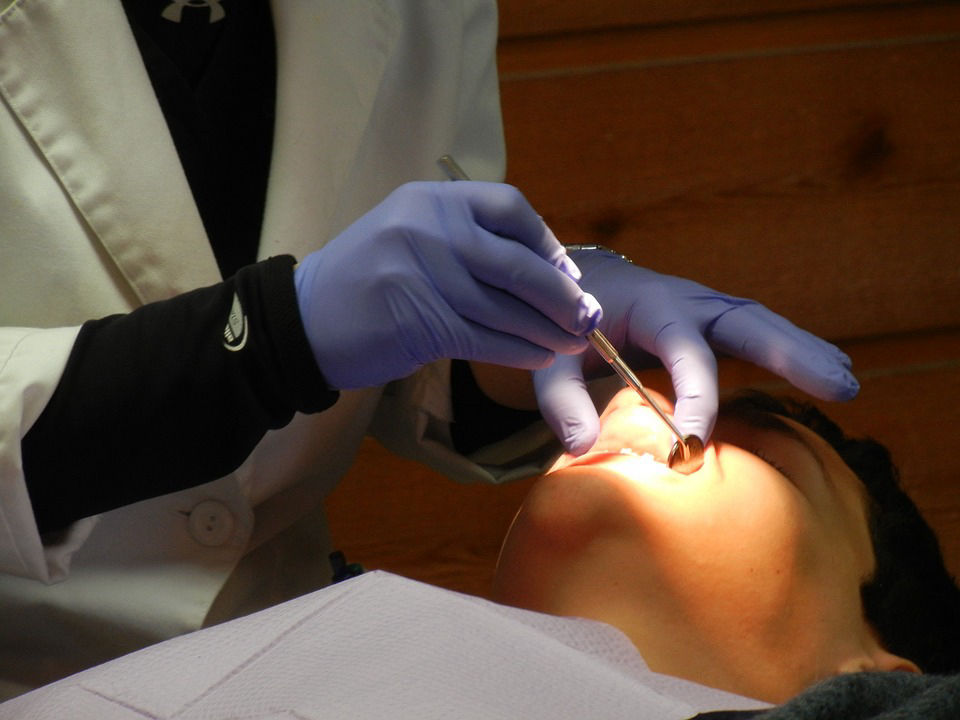
Next, the visual check starts. The dentist looks for color changes, sores, lumps, bleeding, and worn or broken teeth. The dentist also checks how your upper and lower teeth meet. This can reveal grinding or clenching that strains your jaw, head, and neck.
Finally, X-rays can show problems that the eye cannot see. These include early decay between teeth, bone loss, and infections at the roots. The Centers for Disease Control and Prevention explains that untreated decay and gum infection are common. Screening is your first shield.
Key Screenings That Protect Your Health
Routine general dentistry covers a group of checks that work together. Each one guards a different part of your health.
| Screening Type | What It Looks For | What It Protects |
|---|---|---|
| Tooth decay check | Soft spots, cracks, early cavities | Chewing, comfort, sleep |
| Gum health check | Redness, bleeding, pocket depth, bone loss | Tooth support, heart health, blood sugar control |
| Oral cancer screening | Patches, sores, lumps, color changes | Life span, speech, swallowing |
| Bite and jaw check | Grinding, clenching, jaw pain, wear | Headaches, jaw function, tooth strength |
| X rays | Hidden decay, infections, bone changes | Early treatment, fewer extractions |
How Oral Screenings Connect to Whole Body Health
Your mouth links to the rest of your body through blood, air, and shared habits. Infection in your gums does not stay in one place. Bacteria and inflammation can travel through your bloodstream.
Research shared by the National Institute of Dental and Craniofacial Research shows a strong tie between gum disease and conditions such as heart disease and diabetes. When your gums bleed, it can signal constant low-grade inflammation. That same pattern can strain your heart and affect blood sugar control.
Screenings for gum disease do three things.
- They spot early bleeding and swelling before teeth become loose
- They track bone levels that hold your teeth in place
- They guide cleanings and home care that cut bacteria and strain on your body
Oral cancer checks guard more than your smile. A small patch on your tongue can grow and spread if no one sees it. Early cancer found during a routine exam is often easier to treat. Late cancer can change how you eat and speak.
Why Children, Adults, and Older Adults All Need Screenings
Every age group faces different threats. General dentistry adjusts screenings for each stage of life.
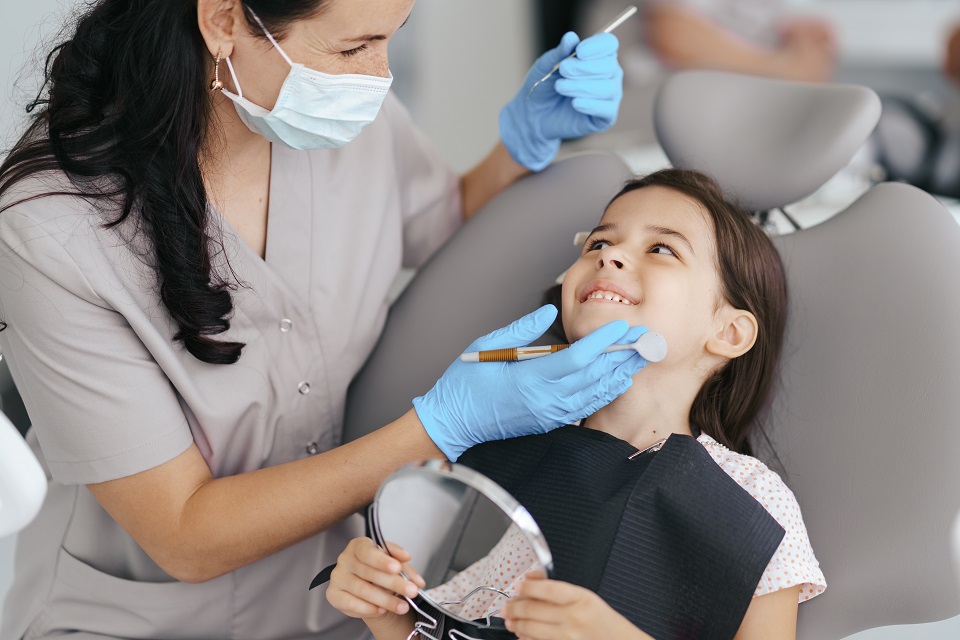
- Children build habits and need checks for early decay and alignment
- Adults face stress, grinding, and rising gum disease risk
- Older adults may take medicines that dry the mouth and weaken enamel
Fluoride, sealants, and simple guidance can protect children. For adults, regular cleaning and gum checks catch disease while it is still mild. For older adults, screening can uncover root decay, broken fillings, dry mouth, and even signs of poor nutrition.
Each visit becomes a short health check for the whole family. One schedule. One trusted office. Many layers of safety.
Screenings Versus Waiting for Pain
Pain often arrives late. By the time a tooth aches, the decay may reach the nerve. Then treatment becomes harder and more costly.
| Approach | What Usually Happens | Typical Outcome |
|---|---|---|
| Regular screenings | Problems found early | Simple fillings, easy cleanings, lower cost |
| Waiting for pain | Infection grows in silence | Root canals, extractions, missed work or school |
| No care | Decay and gum disease spread | Tooth loss, trouble eating, higher health risks |
Routine screenings trade a short visit for fewer crises. They replace surprise with a clear plan.
How You Can Prepare for Your Next Screening
You can help your dentist protect you. A little preparation makes each screening stronger.
- Bring a list of your medicines and any new diagnoses
- Share any bleeding, dryness, sores, or jaw pain
- Ask about your personal risk for decay, gum disease, and oral cancer
Then ask for clear steps you can follow at home. That may include brushing with fluoride two times a day, cleaning between teeth, and using any rinses your dentist suggests. Small daily steps support the work done in the chair.
Turning Screenings Into Lifelong Protection
General dentistry screenings are quiet acts of protection. They guard your breath, your bite, and your body. They help you avoid late-night emergencies and long recoveries.
When you keep regular visits, you give your dentist time to spot changes, explain choices, and act early. That steady pattern protects your health and your peace of mind.