
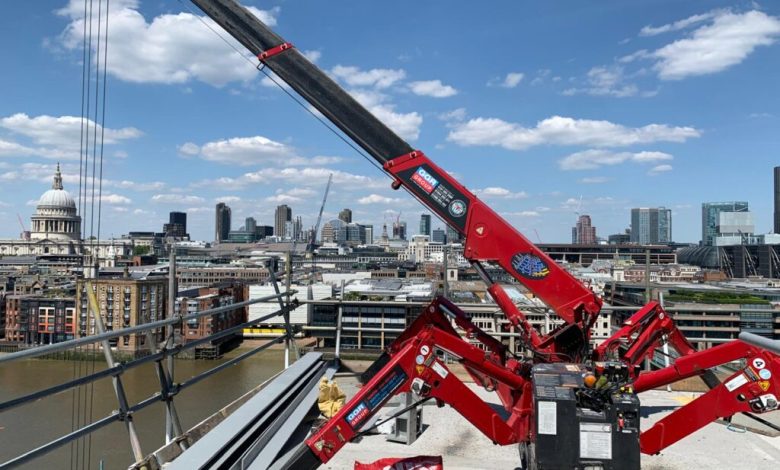
Selecting the right crane is one of the most important decisions you’ll make on a construction site. The wrong choice can lead to inefficiencies, safety risks, and unexpected costs, while the right crane can streamline operations, reduce downtime, and keep your build on schedule. Whether you’re managing a residential project, commercial development, or large-scale infrastructure build, understanding how to match the crane to the task is essential (working with experienced providers like Sventek Cranes can also make a significant difference, ensuring expert guidance from planning through to execution).
Here is a practical crane selection guide to help you choose the most suitable option for your build.
Why Crane Selection Matters
Cranes are not one-size-fits-all. Each project presents unique challenges — site access, lift heights, load weights, ground conditions, and project duration all influence which crane will perform best. Choosing appropriately can:
- Improve site safety and compliance
- Increase productivity and efficiency
- Reduce lifting time and labour costs
- Prevent delays caused by unsuitable equipment
A well-matched crane is not just a piece of machinery — it’s a critical part of your construction strategy.
Key Factors to Consider When Choosing a Crane
- Load Weight and Capacity: Understanding the maximum weight you need to lift is fundamental. This includes not only the load itself but also rigging equipment such as slings and hooks. Always select a crane with sufficient capacity to handle peak loads safely, with room for operational margins.
- Lift Height and Reach: Consider how high and how far materials need to be lifted. Vertical builds and high-rise projects often require cranes with significant height and reach capabilities, while shorter builds may not need such extensive coverage.
- Site Access and Space Constraints: Tight urban sites, limited access roads, and overhead obstructions can restrict crane choice. Compact cranes or those that can be assembled on-site may be necessary where space is limited.
- Ground Conditions: Soil stability and ground bearing capacity are critical. Some cranes require substantial ground preparation or mats, while others are better suited to uneven or soft terrain.
- Project Duration: Short-term lifts may suit mobile or truck-mounted cranes, while long-term projects often benefit from cranes that remain on-site for extended periods.
Some Common Crane Types and When to Use Them
Tower Cranes: Ideal for high-rise construction and large commercial developments, tower cranes provide exceptional height and reach. They are best suited to projects where materials need to be lifted repeatedly over long periods. Best for: high-rise buildings, long-term construction projects, and sites with minimal ground-level congestion.
Mobile Cranes: Highly versatile and quick to set up, mobile cranes are commonly used across a wide range of construction projects. They can be relocated easily and are ideal for short-term or multi-site work. Best for: general construction and infrastructure, short-term lifts, and sites requiring flexibility.
Crawler Cranes: Mounted on tracks, crawler cranes offer excellent stability and can handle very heavy loads. They are slower to mobilise but perform exceptionally well on large or uneven sites. Best for: heavy lifting, large-scale infrastructure projects, and sites with challenging ground conditions.
Truck-Mounted Cranes: Combining mobility with lifting capability, truck-mounted cranes are perfect for quick jobs that require frequent relocation. Best for: deliveries and installations, smaller commercial projects, and jobs requiring rapid setup and pack-down.
Matching the Crane to Your Build
When selecting a crane, it’s not just about the biggest or most powerful option — it’s about the most efficient and safest fit for your specific needs. Consider engaging crane specialists early in the planning phase to assess site conditions, lifting requirements, and project timelines. Professional crane providers can also assist with lift planning, compliance, and risk assessments, helping you avoid costly mistakes before work begins.
In Australia, crane operations must comply with strict safety regulations and standards. Choosing a reputable crane provider ensures:
- Fully certified and well-maintained equipment
- Licensed and experienced operators
- Compliance with WHS regulations
- Detailed lift planning and documentation
Safety should never be compromised for convenience or cost savings. A well-chosen crane doesn’t just lift materials; it lifts the overall performance of your project.