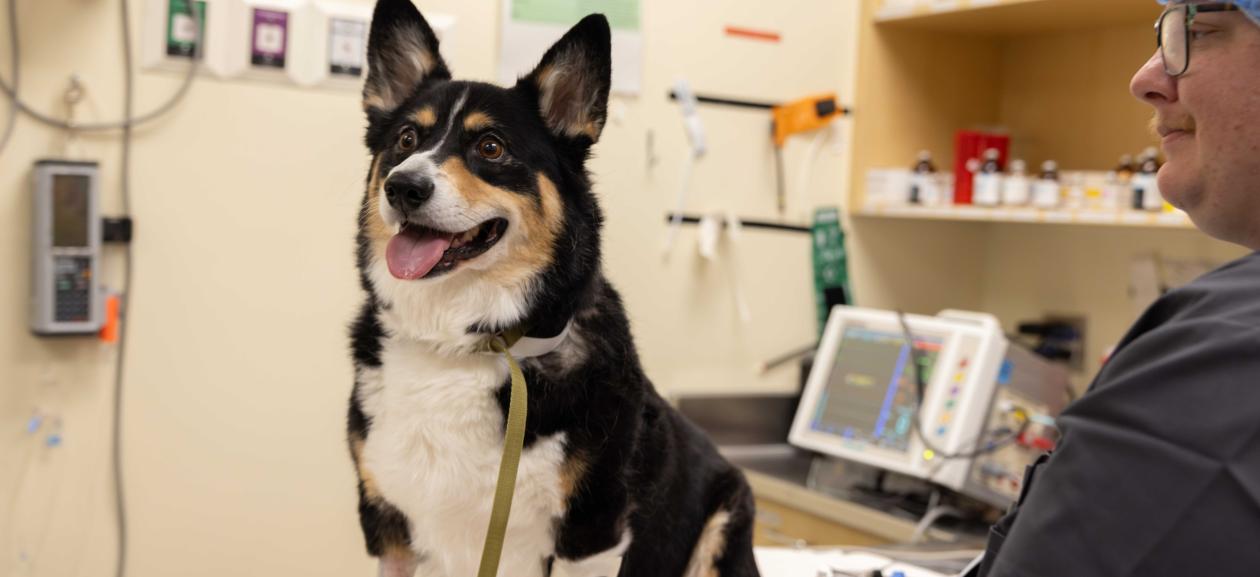
Rehabilitation can feel long and lonely for a pet. Pain, limits on movement, and strange new routines can cause fear and confusion. You want relief for your pet, not more stress. An Olympia animal hospital understands this strain on both of you. Staff watch every step of recovery. They adjust treatment when your pet shows progress or struggles. They manage pain, protect healing limbs, and prevent new injuries. They also teach you what to do at home. You learn how to handle exercise, rest, and play in a safe way. You gain clear guidance on medication, feeding, and follow-up visits. Through careful planning, steady monitoring, and honest communication, animal hospitals turn a hard period into a focused recovery plan. You do not walk through your pet’s healing alone.
Why Rehabilitation Matters For Your Pet
Rehabilitation gives structure to healing. It protects your pet from random rest and random activity. It also helps avoid long-term problems.
Animal hospitals use rehab when a pet has:
- Surgery for joints, bones, or spine
- Injury from a fall, crash, or rough play
- Long standing joint pain or weakness
- Weight gain that strains legs and back
- Nerve damage that affects walking
Early support can reduce pain and speed return to normal movement. The American Veterinary Medical Association explains that rehab can improve strength, balance, and comfort for many pets. You can read more on the AVMA site at https://www.avma.org/.
The Team That Cares For Your Pet
Rehabilitation is a team effort. You are part of that team. The hospital brings structure and skill.
Your pet’s rehab team often includes:
- Veterinarian who sets the treatment plan and checks progress
- Rehab therapist who guides safe exercise
- Veterinary nurse who tracks pain, wounds, and daily needs
- Support staff who help with handling and comfort
Each person has a clear role. Together they watch for pain, swelling, mood changes, or new behavior. They share what they see with you in plain language.
Common Rehabilitation Services
Hospitals use many tools to help pets heal. Some focus on movement. Others focus on pain control and safety.
Typical services include:
- Stretching and guided movement to protect joints
- Strength work such as sit-to-stand or gentle step work
- Underwater treadmill to support weight and ease joint load
- Cold or heat packs for pain control
- Massage to relax tight muscles
- Assistive devices such as harnesses, slings, or carts
Many hospitals also work with your primary vet. They share records and update notes to keep care steady and clear.
How Hospitals Plan Care For Your Pet
Rehab care is not random. It follows a clear plan that changes as your pet heals.
The plan often moves through three stages:
- Early stage. Focus on pain control, wound care, and gentle movement.
- Middle stage. Focus on strength, balance, and safe use of the injured limb.
- Late stage. Focus on full function, play, and return to normal life.
The team checks your pet often. They adjust the plan if your pet shows more pain, fear, or tiredness. They also increase the challenge when healing is strong.
Comparison Of Rehab Settings
You may wonder if your pet should stay at the hospital or go home between visits. Both choices have value. The table below outlines some core differences.
| Feature | Outpatient Rehab | Inpatient Rehab |
|---|---|---|
| Where your pet stays | Lives at home and visits for sessions | Stays at the hospital for a set time |
| Monitoring level | Checked during visits | Checked many times each day |
| Home care needs | High. You manage daily exercises and rest rules | Lower. Staff handle most daily tasks |
| Stress for pet | Lower for social pets who relax at home | Lower for pets who need constant medical care |
| Cost pattern | Spread out across visits | Grouped into a shorter, more focused stay |
| Best for | Stable pets and strong home support | Serious injury or complex medical needs |
Your veterinarian can help you choose the best setting. They will weigh your pet’s medical needs, your schedule, and your home space.
Your Role At Home
Rehab succeeds when home and hospital work together. Your actions at home can support or slow progress.
You can support healing by:
- Following exercise instructions exactly
- Keeping a simple log of pain signs, sleep, and appetite
- Using ramps, rugs, and gates to prevent slips and jumps
- Giving medicine on time and in the correct dose
- Bringing your pet for all scheduled visits
The American College of Veterinary Surgeons notes that follow-up care and home rehab protect surgical results and help avoid new injury. You can read their guidance at https://www.acvs.org/.
Supporting Your Pet’s Emotions
Rehab affects your pet’s body and mind. Pain, cone use, and limits on play can cause stress. You may see clingy behavior, hiding, or grumpiness.
You can ease this strain through three simple habits:
- Keep a steady routine for meals, sleep, and bathroom trips
- Offer short, calm touch and praise during exercises
- Use safe toys or food puzzles that do not strain the injury
Tell the hospital team if your pet seems withdrawn or restless. They can adjust pain control or suggest simple comfort steps.
When To Ask For Help
Call the hospital right away if you see:
- Sudden loss of use of a limb
- Swelling, heat, or bleeding near a wound
- Refusal to eat or drink for a full day
- Fast breathing or clear signs of severe pain
Prompt action can protect healing and prevent a crisis. You never need to wait for a scheduled visit if something feels wrong.
Moving Forward With Confidence
Rehabilitation asks for time, patience, and clear action. Animal hospitals bring skill, structure, and calm guidance. You bring love and daily care.
Together, you give your pet the best chance for steady healing, less pain, and a safe return to normal life.