Tooth loss changes more than your smile. It can hollow your cheeks, thin your lips, and make your jawline collapse. You might feel older than you are. You might avoid photos. You might hide your mouth when you talk. These are common reactions. They are not signs of weakness. There are signs that your face has lost support. Dental implants do more than fill gaps. They replace lost roots and help your jaw keep its shape. They help your bite stay strong. They help your facial muscles work in balance. This blog explains how implants restore structure, protect bone, and support soft tissue. It also shows how careful planning with Lower Manhattan dental implants can match your natural features and age. You deserve a face that reflects your true self. You also deserve clear facts about your options.
How Tooth Loss Changes Your Face
Teeth support more than just chewing. They act like small pillars that hold up your lips and cheeks. When you lose teeth, several changes can follow.
- Your jawbone starts to shrink where roots are missing.
- Your upper lip can sink inward.
- Your lower face can look shorter.
Over time, your profile can sag. Your chin can look sharper. Your mouth can look “caved in.” These changes can affect how you speak and how you feel in public.
The National Institute of Dental and Craniofacial Research explains that bone needs regular pressure from teeth to stay strong. When teeth are gone, that pressure is gone, and bone loss speeds up. You can read more about tooth loss and oral health at the NIDCR tooth loss page.
Why Implants Protect Bone And Support
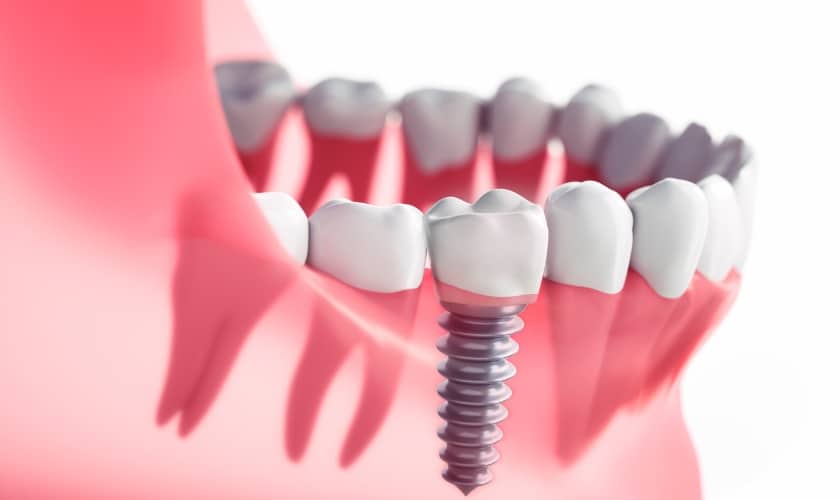
A dental implant is a small post that replaces a tooth root. It is placed in the jaw where the root once sat. Then it fuses with the bone.
This root replacement does three key things.
- It gives chewing forces a direct path into the bone.
- It slows bone loss in that spot.
- It gives your dentist a strong base to hold a crown, bridge, or denture.
The result is more support for your face. The jaw holds its volume longer. Your lips and cheeks keep a fuller look. Your bite stays more stable over time.
Implants Compared With Bridges And Dentures
Many people want to understand how implants differ from other tooth replacement options. The table below shows simple contrasts that matter for facial support.
| Feature | Dental Implants | Fixed Bridge | Removable Denture |
|---|---|---|---|
| Replaces tooth root | Yes | No | No |
| Helps preserve jawbone volume | Yes | Limited | No |
| Supports lips and cheeks | Strong support | Moderate support | Variable support |
| Stability while chewing | High | High | Low to moderate |
| Effect on nearby teeth | No grinding of neighbors | Often needs grinding of neighbors | No change to neighbors |
| Long term facial shape support | Strong | Moderate | Poor |
Only implants replace the root. That root function is what protects bone and supports your face from the inside.
How Implants Help Lips, Cheeks, and Jawline
Facial support comes from three main pieces. Bone. Teeth. Soft tissue. Implants touch each piece.
- Bone. Implants give your jaw a reason to keep its shape. That helps prevent a sunken look.
- Teeth. Crowns on implants can restore your original tooth length and width. That helps your upper and lower jaws meet in a strong bite.
- Soft tissue. When your bite is stable, muscles in your lips and cheeks can relax. Lines around the mouth can soften.
For some people, even a few implants can change the lower face. For example, two implants that hold a lower denture can reduce slipping and help the denture sit closer to the correct jaw height. That can lift the chin and reduce drooping at the corners of the mouth.
Planning Implants For Natural Facial Balance
Good implant care does not start with a drill. It starts with a plan. Your dental team studies how your teeth, bite, and face work together.
Careful planning often includes three steps.
- Review your medical and dental history.
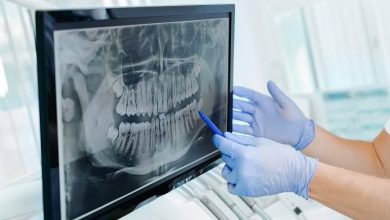
- Use images to measure your jawbone and sinus spaces.
- Study your smile, lip line, and profile from the front and side.
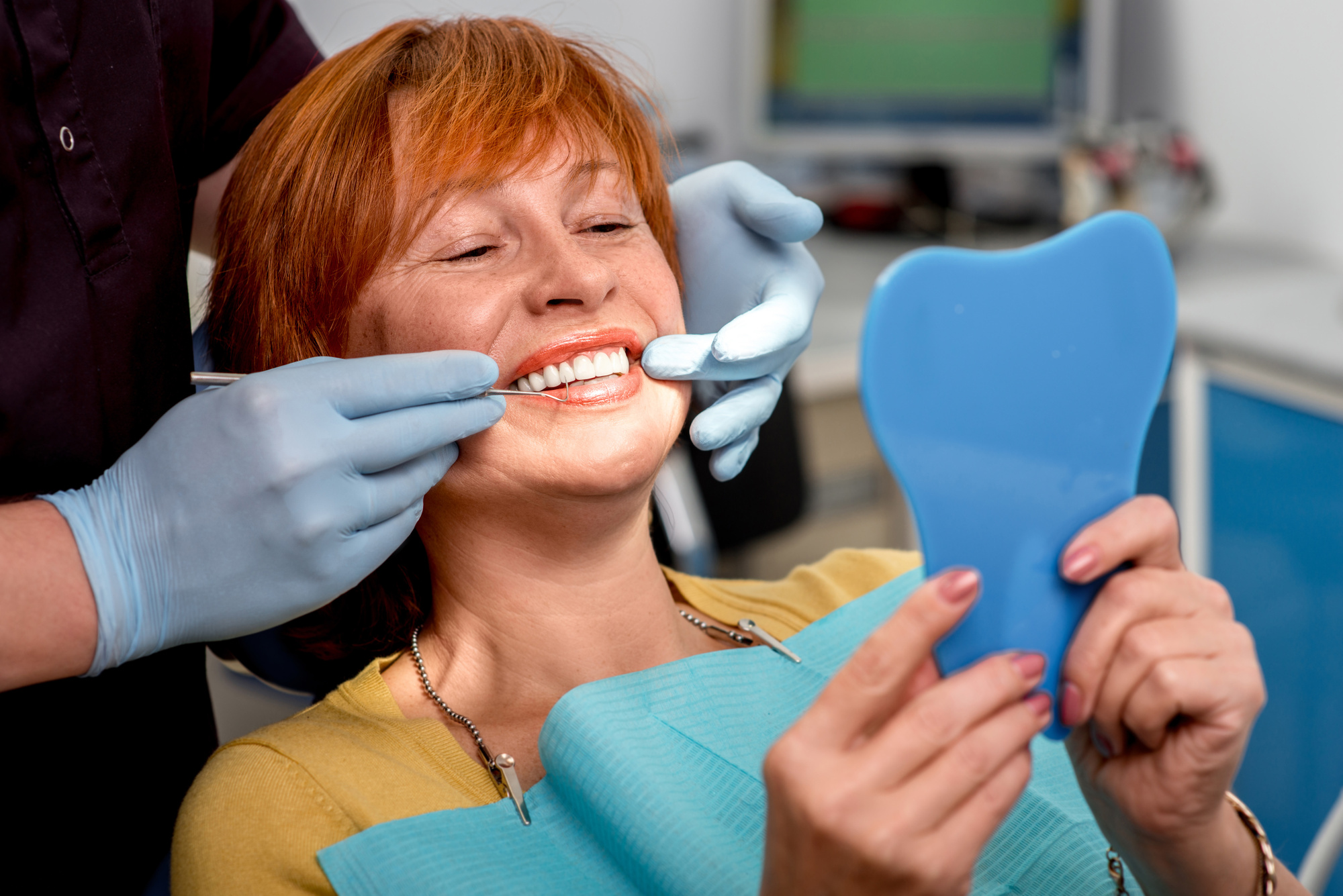
The goal is not a “perfect” smile. The goal is a stable, healthy face that matches your age and features. That means tooth size, shape, and position must match your bone and muscles.
The American Dental Association offers general guidance on tooth replacement and implant care. You can explore patient resources at the ADA MouthHealthy dental implants page.
Who Can Benefit From Implant Support
Many people can benefit from implants for facial support. You might be a strong candidate if you have one of these situations.
- You lost one front tooth and see a dip in your lip or gum.
- You lost several back teeth, and your cheeks look flatter.
- You wear dentures, and your lower face looks shorter than before.
- You notice deep folds from the nose to the mouth after extractions.
Age alone does not rule out implants. Health, bone quality, and daily habits matter more. A full exam and clear images are the only way to know what fits your body.
What To Expect During Treatment
Implant treatment often follows a clear order. Each step builds support for the next.
- First, your dentist checks your mouth and reviews images.
- Next, you agree on a plan that lists how many implants, where they go, and what teeth they will support.
- Then the implant posts are placed in the bone.
- After that, the bone heals around the posts.
- Finally, crowns, bridges, or dentures are attached.
During healing, you may wear temporary teeth. These keep your smile presentable while your jaw grows around the implants.
Protecting Your New Facial Support
Once implants are in place, your daily habits protect your face.
- Brush and clean between teeth every day.
- See your dentist for regular checks and cleanings.
- Limit tobacco, which raises the risk of bone loss.
- Wear a night guard if you grind your teeth.
Strong home care and routine visits keep the bone and gums around your implants healthy. That protects the support you worked to restore.
Taking The Next Step
Tooth loss can change your face in quiet ways. You may see a hollow cheek or a deeper line around your mouth and feel a sharp sense of loss. You are not alone in that feeling. Implant dentistry offers a clear, tested way to rebuild support from the inside out.
By replacing missing roots, implants help your jaw keep its shape. They help your lips and cheeks keep their fullness. They help you speak and chew with trust. With skilled planning and steady care, implants can give your face back much of what tooth loss took away.