
Strong family teeth start in your kitchen. You already remind your kids to brush and floss. Yet what they eat shapes their teeth even more. Nutrition counseling gives you clear steps so your whole family can avoid cavities, gum pain, and costly repair work. It turns confusing food advice into simple daily choices. You learn which snacks protect enamel, how often sugar is safe, and what to pack for school lunches. You also see how drinks, bedtime habits, and stress affect your child’s mouth. A dentist in Hesperia, CA can work with a nutrition counselor so your family gets one clear plan. This support reduces fear at checkups. It helps you feel in control of your child’s health. It protects your own teeth too. Stronger smiles at home begin with simple, steady changes to what you put on the table.
Why food choices matter for your family’s teeth
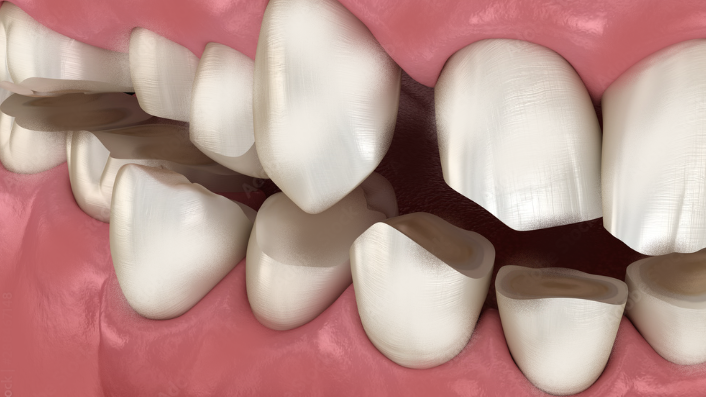
Every snack and sip touches your teeth. Sugar and starch feed mouth bacteria. These bacteria make acid that attacks enamel. Over time you see white spots, brown spots, and then holes. You also see sore gums and bad breath.
According to the Centers for Disease Control and Prevention, cavities are one of the most common chronic problems in children. You cannot brush away a constant sugar flood. You need a clear food plan.
Nutrition counseling gives you that plan. You learn how to cut sugar without feeling punished. You learn how to time snacks so teeth have time to heal between acid hits. You also learn how to use water and fluoride to protect enamel.
What happens in nutrition counseling for teeth
You might expect a long lecture about what you do wrong. That does not help anyone. A good counselor listens first. You talk about your family schedule, budget, and favorite foods. You share what your kids actually eat on school days, weekends, and holidays.
Then you work through three steps.
- Step 1. Spot the sugar traps. You list drinks, snacks, sauces, and treats. You learn where sugar hides. You see how often your kids sip or chew during the day.
- Step 2. Pick simple swaps. You choose three small changes. You might switch one juice to water, one sticky snack to cheese, and one night dessert to fruit.
- Step 3. Set a meal and snack rhythm. You set regular meal times and short snack windows. You give teeth rest time between eating.
You leave with a short written plan. You know what to buy, what to pack, and how to answer snack requests. You also know when to follow up with your dental team.
Comparing common family snacks
The table below shows how different snack choices can affect your child’s teeth. You can use this as a quick guide on busy days.
| Snack or Drink | Typical Sugar Content | How It Behaves in the Mouth | Impact on Teeth | Better Everyday Choice |
|---|---|---|---|---|
| Fruit juice drink (8 oz) | 20–30 g sugar | Sits on teeth. Often sipped over time. | High cavity risk | Plain water or milk |
| Soda (12 oz) | 30–40 g sugar | Acidic and sugary. Long contact with enamel. | Very high cavity risk | Unsweetened sparkling water |
| Sticky fruit snacks | 10–20 g sugar | Sticks between teeth. Hard to brush out. | High cavity risk | Fresh apple slices |
| Crackers or chips | Low sugar. High starch. | Breaks into paste that clings to teeth. | Medium cavity risk | Carrot sticks or nuts if safe |
| Flavored yogurt | 10–18 g sugar | Creamy. Sugar coats tooth surfaces. | Medium cavity risk | Plain yogurt with fruit |
| Cheese cubes | 0 g sugar | Helps neutralize acid. Stimulates saliva. | Low cavity risk | Good everyday snack |
| Plain water | 0 g sugar | Rinses food and acid from teeth. | Protective | Best drink between meals |
Data on sugar content and tooth decay risk matches guidance from the National Institute of Dental and Craniofacial Research.
How to use nutrition counseling for your whole family
You can use one counseling visit to help every person in your home. You do not need a separate plan for each child. Instead, you build one house plan that covers three parts.
- Meals. You aim for regular meals with protein, grains, and produce. You limit sugary drinks at the table.
- Snacks. You pick two snack times. You offer water, fruit, vegetables, nuts if safe, cheese, or plain yogurt.
- Special treats. You keep treats with meals when you can. You avoid constant grazing on sweets.
This shared plan cuts fights and nagging. You can say, “This is our family snack rule.” You set the tone. Your kids learn that food choices protect their smiles, not just the scale.
Linking your counselor and your dentist
Nutrition counseling works best when your dental team shares information. Your counselor can review recent x rays and cavity history. Your dentist can share where plaque builds up and where gums bleed. Together they can see patterns.
For example, if your child always has cavities between the back teeth, the team might look at sticky snacks. If you have ongoing gum swelling, they might look at constant sipping on sweet drinks or frequent late night eating.
You can ask your dental office if they work with a registered dietitian who understands oral health. You can also ask how to share your food log before your next cleaning. That way the team can give clear, targeted steps.
Simple steps you can start today
You do not need to change everything at once. You can start with three moves.
- Switch one sugary drink per day to water.
- Offer one tooth friendly snack after school, such as cheese and fruit.
- Stop food and drink, except water, 30 minutes before brushing at night.
These moves lower acid attacks. They also show your kids that you care about their comfort, not just rules. Over time you can add more changes from your counseling plan.
When nutrition counseling makes the biggest difference
Some families face special strain. You may see constant cavities, braces trouble, weight concerns, or health problems like diabetes. In these cases nutrition counseling is not a luxury. It is part of basic care.
Early help can:
- Cut the number of fillings and extractions your child needs.
- Support stronger gums around braces and retainers.
- Protect teeth in children who snack at night or use bottles for comfort.
You deserve clear guidance, not blame. Nutrition counseling gives you practical tools. It turns daily meals into protection for your family’s smiles. With support from your counselor and dental team, you can shape a home routine that keeps teeth stronger for years.