
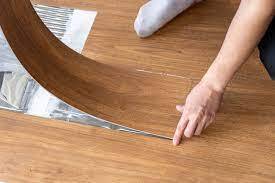
Upgrading your home with new flooring can completely transform your space, making it more stylish, functional, and comfortable. But before you dive into this exciting project, it’s essential to plan your flooring budget carefully. After all, flooring comes in a wide variety of materials, styles, and price ranges, so a little planning will ensure that your renovation doesn’t break the bank.
In this guide, we’ll take you step-by-step through the process of creating a flooring budget that works for you. From choosing the right material to understanding the hidden costs of installation, we’ll help you stay on track and make informed decisions. Let’s get started on making your dream floors a reality!
Step 1: Determine Your Flooring Needs
Before you can create a budget, it’s important to assess your needs. Think about the areas in your home that need new flooring. Is it just one room, like the living room or kitchen, or do you plan to replace the flooring throughout your entire house?
The type of rooms you’re covering will also play a role in your choice of materials. High-traffic areas like hallways and kitchens might need more durable options, while bedrooms or living rooms might call for something a little softer and cozier.
Once you’ve identified which rooms need new flooring, take note of their square footage. You can usually find this by measuring the length and width of each room and multiplying the two numbers together. If that sounds too complicated, a flooring professional can help with the measurements.
Step 2: Choose Your Flooring Material
Now comes the fun part: choosing the material that best fits your needs and lifestyle. The type of flooring you choose will be the biggest factor influencing your budget. Here are a few popular options and their general price ranges:
Hardwood – Timeless and elegant, hardwood floors can range in price depending on the wood species and finish. Expect to pay anywhere from $5 to $15 per square foot for materials. While hardwood can be on the pricier side, it’s durable, easy to maintain, and can add significant value to your home.
Luxury Vinyl Plank (LVP) – If you want the look of hardwood without the hefty price tag, LVP is a great alternative. LVP offers a similar aesthetic but at a lower cost, typically ranging from $2 to $7 per square foot. It’s also waterproof, scratch-resistant, and easy to install.
Tile – Ceramic or porcelain tiles are popular choices for kitchens and bathrooms. Tile prices can vary widely, ranging from $1 to $10 per square foot depending on the style, material, and finish. Tile is known for its durability and water resistance, making it an excellent choice for moisture-prone areas.
Carpet – For a soft and cozy option, carpet remains a classic choice, particularly in bedrooms and living rooms. Carpet prices range from $2 to $7 per square foot, depending on the fiber type and thickness. Keep in mind that higher-end carpets made from wool or other premium materials will cost more.
Bamboo – An eco-friendly option, bamboo flooring is durable, stylish, and cost-effective. Prices range from $3 to $7 per square foot. It’s an excellent choice if you’re looking for a sustainable material that doesn’t compromise on aesthetics or performance.
Each material offers its own benefits and challenges, so think carefully about what works best for your space and lifestyle. Don’t forget to consider long-term durability, ease of maintenance, and the overall look you’re hoping to achieve.
Step 3: Factor in Labor Costs
While the cost of the materials is a major part of your flooring budget, installation costs can often add up as well. Unless you’re planning to do it yourself (DIY), hiring a professional installer is the way to go. Skilled installers ensure the job is done right, which means you won’t have to worry about potential mistakes or redoing the job down the line.
Installation costs can vary depending on the type of flooring you choose. For example, installing hardwood floors might cost between $3 and $8 per square foot, while LVP may only cost $1 to $3 per square foot. Tile installation tends to be a bit more expensive, ranging from $5 to $10 per square foot.
Some flooring types are easier to install than others. For instance, LVP and click-together laminate can often be installed as a DIY project, which would save you money on labor costs. However, certain materials like tile and hardwood require professional expertise, especially when it comes to cutting, fitting, and ensuring proper alignment.
Step 4: Account for Additional Expenses
When creating your flooring budget, be sure to consider any additional costs that might come up during the installation process. These can include:
Underlayment – Many flooring types, such as tile and hardwood, require an underlayment to provide additional support, moisture protection, and soundproofing. Underlayment typically costs between $0.50 to $1.50 per square foot.
Removal of Old Flooring – If you’re replacing existing flooring, you may need to factor in the cost of removing the old material. Depending on the complexity of the removal and the material being taken out, this could range from $1 to $3 per square foot.
Transition Strips – These are used to create a smooth transition between different types of flooring (like from wood to tile or carpet to hardwood). They typically cost between $1 to $3 per linear foot, depending on the material.
Staircases – If your home has stairs, the cost to install flooring on them is typically higher. Stairs can require additional labor and materials, which can add to your overall budget.
Finishing Touches – Don’t forget about baseboards, trim, and moldings. These finishing touches help complete the look of your newly floored space and usually cost between $1 to $4 per linear foot, depending on the style and material.
Step 5: Get Multiple Estimates
To ensure you’re getting the best value for your money, it’s a good idea to get estimates from multiple flooring installers. Each company will have its own pricing structure, and it’s important to compare both the material and installation costs.
When asking for an estimate, make sure the company includes all potential costs, such as removal of old flooring, underlayment, and any other additional expenses. Also, make sure to check the company’s reputation and reviews to ensure you’re working with a trusted and experienced installer.
For More Information, Click Here to see the range of flooring services available at My Flooring Expert. Our team is here to help you choose the perfect flooring options for your home and budget, offering expert advice and professional installation.
Step 6: Stick to Your Budget
Once you’ve done all the research and gathered estimates, it’s time to stick to your flooring budget. It’s easy to get carried away with the excitement of choosing new floors, but it’s essential to be realistic about your financial limits.
If your initial budget is getting stretched, consider adjusting your material choice or opting for a smaller project, such as upgrading just one or two rooms at a time. You can always revisit your flooring renovation plans in the future once you’ve saved up more funds.
Plan Your Flooring Budget with Confidence
Planning a flooring budget doesn’t have to be stressful if you approach it step by step. By assessing your needs, choosing the right material, factoring in installation and additional costs, and getting estimates from trusted professionals, you can create a budget that suits both your home and your wallet.
If you’re ready to get started with your flooring upgrade, For More Information, Click Here to learn more about how My Flooring Expert can help. Our professional team is ready to guide you through every step of your flooring project, ensuring you get the best value for your investment. Let’s make your dream floors a reality!