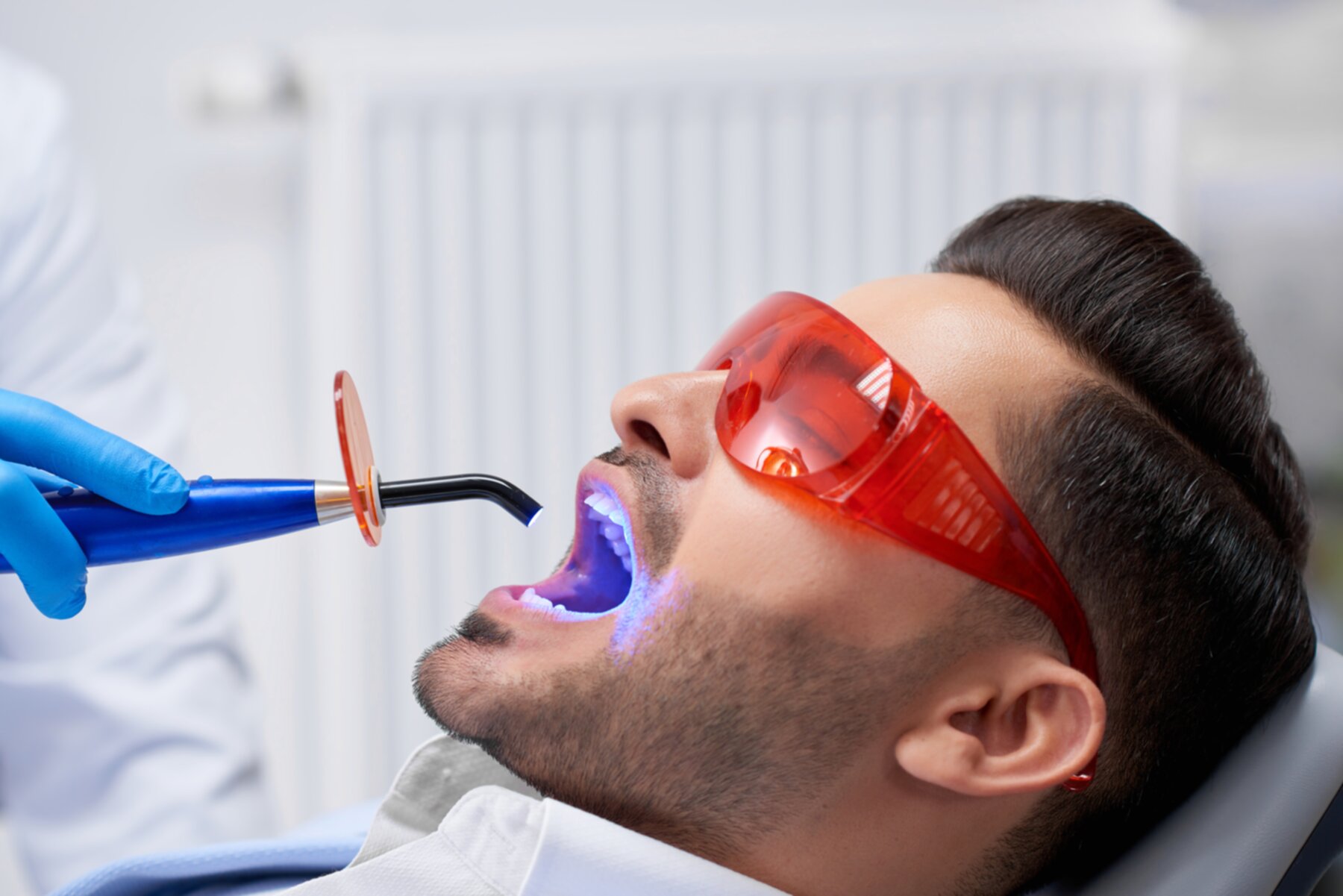
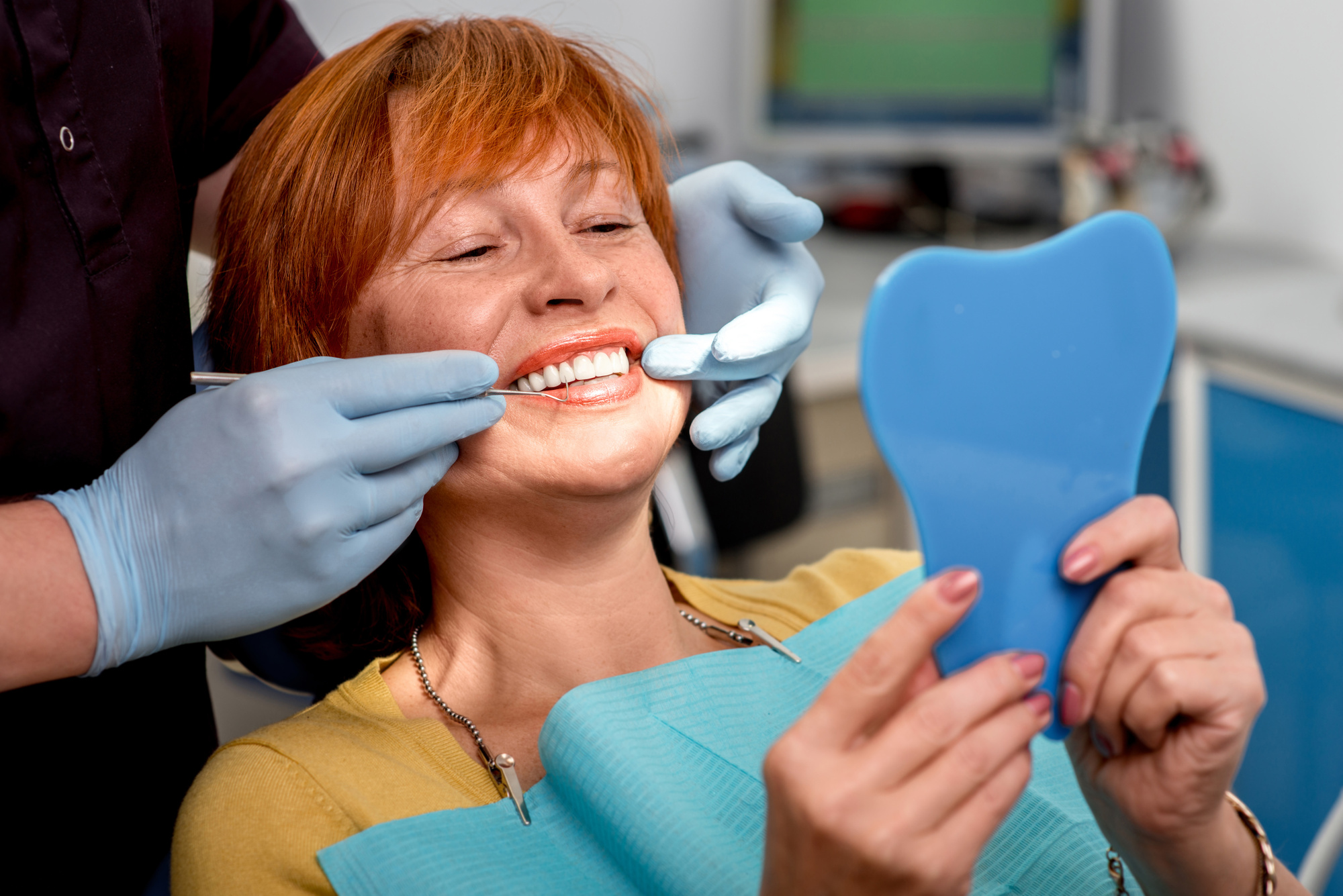
Promoting strong oral habits at home starts with small daily choices. You brush, floss, and rinse. Your child watches and learns. A trusted family dentist helps you turn those moments into a steady routine. A dentist in Crown Point Indiana can show you simple steps that fit your life. You get clear guidance on how long to brush, what snacks to limit, and how to handle fear before visits. You also learn how to talk with your child about teeth in a calm way. This support at home lowers cavities, pain, and missed school days. It also lowers stress for you. You feel prepared before each checkup. You know what your child needs and why it matters. This blog explains how you and your dentist can work together so your home becomes the strongest place for healthy teeth and gums.
Why Home Habits Matter So Much
Your child spends only a few hours a year in the dental chair. The rest of the time, teeth depend on what happens in your kitchen and bathroom. Daily choices shape your child’s mouth, speech, sleep, and self confidence.
The Centers for Disease Control and Prevention explains that tooth decay is one of the most common chronic conditions in children, yet it is preventable.
You protect your child when you focus on three things.
- How often your child brushes and for how long
- What your child eats and drinks between meals
- How often your family sees the dentist
Your family dentist can guide each of these steps so you do not guess or feel alone.
Setting Up A Simple Home Routine
You do not need special tools. You need clear steps that you repeat every day. Your dentist can help you shape a routine like this.
- Morning. Brush for two minutes with a soft brush and fluoride toothpaste. Help your child if younger than age seven.
- After school or work. Offer water. Limit sticky snacks. Keep candy, cookies, and sweet drinks for rare treats.
- Night. Brush again for two minutes. Floss once teeth touch. Avoid food or drink after brushing, except plain water.
Your dentist can show you how to angle the brush, how much toothpaste to use for each age, and how to reach the back teeth. You can practice together at the office, then repeat the same moves at home.
Working With Your Dentist As A Team
Your family dentist is your coach. You bring questions. The dentist brings clear steps that you can use the same day. You can ask about three key topics at each visit.
- Brushing and flossing technique for your child’s age
- Safe use of fluoride at home
- Snacks and drinks that raise or lower cavity risk
You also gain support for your child’s emotions. Many children feel fear in the chair. Your dentist can show you words to use before the visit, how to explain tools, and how to praise your child during care. This calm tone carries over into your home routine.
Comparing Home Habits With And Without Dentist Support
The table below shows how regular guidance from your dentist can change daily life. These are example patterns, not strict rules. Use them as a gut check.
| Topic | Without Regular Dentist Support | With Regular Dentist Support |
|---|---|---|
| Brushing routine | Brushing once a day or less. Time is short. Child often rushes. | Brushing two times a day for two minutes. Parent checks or helps. |
| Flossing | Flossing rare. Child says it hurts or feels strange. | Flossing once a day. Parent uses floss picks or threaders as shown by dentist. |
| Snacks and drinks | Frequent juice, sports drinks, candy, and chips between meals. | Water is the main drink. Sweets kept with meals and less often. |
| Dental visits | Visits only when there is pain or a broken tooth. | Checkups every six months. Issues caught early when easier to fix. |
| Child’s feelings | Fear and tears before visits. Parent feels helpless. | Child knows what to expect. Parent uses scripts from dentist. Stress is lower. |
Turning The Bathroom Into A Learning Space
Your bathroom can become a small training room. You can use three simple tools.
- Timer. Use a two minute sand timer, a song, or a phone timer so brushing does not stop early.
- Mirror check. Have your child smile in the mirror and point to teeth. You can show spots that need extra care.
- Chart. Use a paper chart on the wall. Your child adds a sticker after morning and night brushing.
You can ask your dentist for a sample chart or ideas that match your child’s age. Many offices share free printouts and simple games.
Using Fluoride And Sealants Safely
Fluoride protects teeth from decay. Your dentist can review your home water, toothpaste, and any rinses. That way you use enough but not too much for your child’s age.
The American Dental Association shares clear guidance on fluoride use at home.
Your dentist may also suggest sealants. These are thin coatings on the chewing surfaces of back teeth. They block food and germs from hiding in deep grooves. You cannot place sealants at home. You can, however, support them by keeping checkup visits and watching for chipping or wear that your dentist should review.
Handling Fear And Resistance At Home
Many children resist brushing. You may feel worn down. You do not need to fight. You can use three simple steps.
- Choice within limits. Offer two toothbrush colors or two fluoride toothpaste flavors. Your child feels some control.
- Clear routine. Keep the same order each time. For example, brush top teeth, then bottom teeth, then tongue.
- Team approach. Tell your child that you and the dentist are both on their side. You all want a strong, pain free mouth.
Your dentist can also help by using the same words and cues that you use at home. This match builds trust for your child.
When To Call Your Dentist Between Visits
You do not need to wait for the next checkup when something feels wrong. You should contact your dentist if you notice three types of changes.
- White, brown, or dark spots that do not brush off
- Swollen or bleeding gums that last more than a week
- Tooth pain when chewing, drinking, or at night
Early contact often means simpler treatment. It also means less pain and lower cost. Your steady home routine gives you a clear baseline, so you can spot changes faster.
Making Oral Health A Family Value
Your child watches what you do. When you keep your own checkups and brush with care, you send a strong message. Teeth matter. Health matters. You can talk openly about this with your child.
- Share why you brush and floss.
- Let your child see you pack a brush for trips.
- Use simple words about sugar, germs, and strong teeth.
Your home becomes the first clinic. Your family dentist becomes your trusted partner. Together you build habits that protect your child’s mouth, stomach, heart, and mind for years to come.