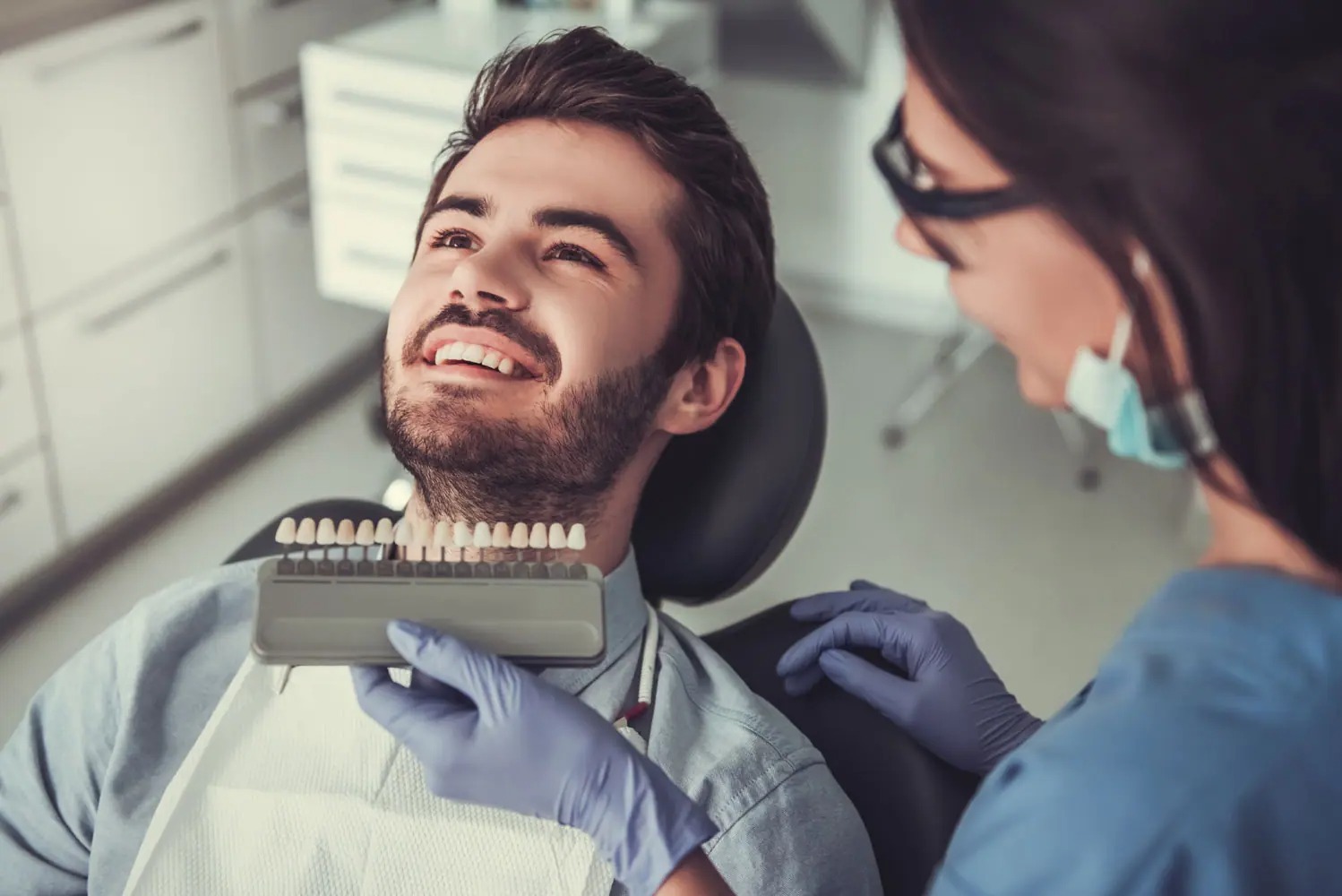

You might feel nervous when you first hear the words “dental implant surgery.” You may picture long pain, long recovery, or high risk. Many people carry old stories or half-true facts that create fear and delay care. A dental implants specialist in Falls Church, VA hears the same worries from patients again and again. This blog clears up five common misconceptions so you can judge your options with steady facts. You will see what surgery really involves, how pain control works, how long healing takes, and what success rates look like. You will also understand costs and how long implants usually last. When you replace fear with truth, you protect your health, your confidence, and your daily comfort. You deserve clear answers before you decide.
1. “Dental implant surgery is very painful”
This fear is common. It is also false.
During surgery, your mouth is numb. You feel pressure. You should not feel sharp pain. Your dentist uses local numbing medicine. Sometimes you also receive medicine to help you relax.
After surgery, you feel soreness. You manage this with:
- Cold packs on the cheek
- Over the counter pain medicine as directed
- Soft foods and careful chewing
Pain usually peaks in the first two days. It often improves fast after that. Many people return to normal work within a few days.
2. “Implants are only for older people”
Age alone does not decide if you qualify for implants. Your health, jawbone, and oral hygiene matter more.
Implants may help you if you:
- Lost a tooth in an accident
- Have teeth that cannot be saved
- Struggle with loose dentures
You need a jawbone that can hold the implant. You also need good control of health conditions like diabetes and heart disease. Children and teens usually wait until the jaw stops growing. Adults of many ages use implants with strong success.
Age is one factor. It is not the only one. You and your dentist can review your health and goals together.
3. “Implants often fail and are not safe”
Many people worry that implants fail often. Current data shows the opposite.
Dental implants have high success rates when you choose a trained dentist and follow care instructions. They have been used for many decades. They are now a standard treatment for missing teeth.
Here is a simple comparison of success and common risks.
| Treatment | Typical success rate | Common issues |
|---|---|---|
| Single dental implant | 90 to 95 percent after 10 years | Gum infection, screw loosening, rare implant loss |
| Traditional bridge | 80 to 90 percent after 10 years | Decay under bridge, wear on nearby teeth |
| Removable partial denture | Varies with use | Sore spots, movement, breakage, lost fit over time |
These numbers come from long term studies and reviews. Research shows strong safety when dentists plan and monitor care.
Every surgery carries some risk. Infection, nerve injury, or sinus issues can occur. Your dentist reviews these with you. Careful planning and follow up lower these risks.
4. “Implants heal fast, so I can chew anything right away”
Many people think the implant is ready to use as soon as it is placed. Healing takes time. Your bone needs to grow around the implant and lock it in place. This process takes several months.
You can expect three phases.
- Early healing. First week. You protect the site. You use soft foods. You keep the mouth very clean.
- Bone bonding. Several weeks to a few months. The implant stays under the gum or holds a light temporary tooth. You avoid hard biting on that spot.
- Final tooth. After bonding. Your dentist places the crown. You then slowly return to more normal chewing.
Healing time varies. It depends on your bone, health, and if you needed bone grafting. Smoking, poor oral care, and missed follow up visits can slow healing. Clear instructions, careful cleaning, and steady checkups help the implant succeed.
5. “Implants cost too much and never fit my budget”
Implants cost more at the start than some other options. You also need to look at long term value.
Bridges and dentures often need repair or replacement. Implants can last many years with good care. They help protect your jawbone and nearby teeth. That can reduce future dental work.
Here is a simple cost comparison over time. These are sample ranges, not exact quotes.
| Tooth replacement | Short term cost | Likely replacement |
|---|---|---|
| Single dental implant with crown | Higher | Often 10 years or more before major work |
| Traditional bridge | Medium | Often 5 to 10 years |
| Removable partial denture | Lower | More frequent repairs and relines |
You can ask about:
- Insurance coverage for parts of the treatment
- Payment plans through the office
- Treating one section of the mouth at a time
Cost matters. Your long term oral health and daily comfort matter too. You and your dentist can weigh both.
How to decide if dental implants are right for you
You do not need to decide alone. A clear talk with a dentist who has training in implants will help. You can prepare by:
- Listing your health conditions and medicines
- Sharing if you smoke or use tobacco
- Explaining your goals for eating, speaking, and appearance
- Asking about all options, including no treatment
Your dentist may take X rays or 3D images. These show your bone and help plan safe placement. You can ask to see the images. You can also ask your dentist to walk you through each step of the process in plain language.
Mistaken beliefs about dental implant surgery can keep you in pain or hiding your smile. When you replace fear with facts, you gain control. You can ask sharper questions. You can choose what fits your health, your family, and your future.