
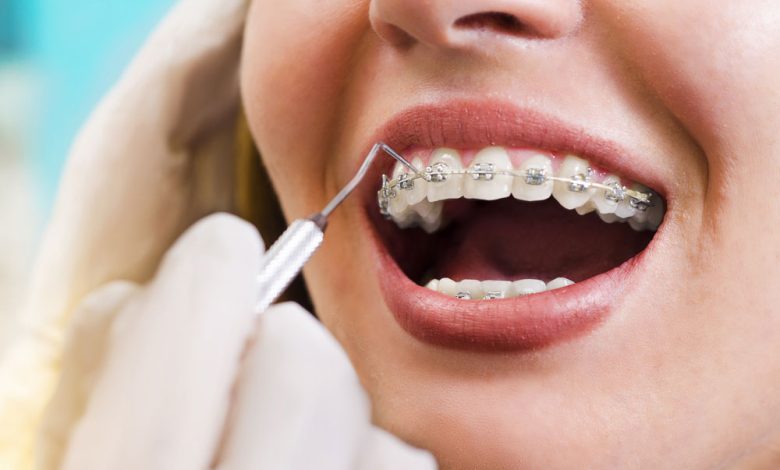
Complex dental problems can wear you down. Crowded teeth, jaw pain, and bite problems affect how you eat, speak, and feel about your face. You may see many providers and still feel stuck. An orthodontist steps in when teeth and jaws do not line up in simple ways. You get a clear plan, steady guidance, and long term change. This matters if you have missing teeth, past trauma, or failed treatment. Each step aims to protect your teeth, gums, and jaw joints. An orthodontist also works with your general dentist and other specialists. You are not left to sort things out alone. If you see an orthodontist in Greenwich, you can expect careful planning, honest talks, and treatment that respects your daily life. This blog explains five ways orthodontists manage complex cases so you can know what to expect and ask for the care you need.
1. Orthodontists build a full picture before treatment
Complex care starts with a full look at your mouth and face. You are more than a set of teeth. Your bite connects to how you chew, breathe, and sleep. A rushed look can miss root problems. An orthodontist takes time to see the whole picture.
You can expect three core steps.
- Careful exam of teeth, gums, jaw joints, and face shape
- X rays and photos to see roots and jaw position
The goal is simple. Your provider wants to know what is wrong, why it started, and what could get worse if nothing changes. This helps lower the risk of future pain and tooth loss. The National Institute of Dental and Craniofacial Research explains how bite problems link to wear and jaw strain in its overview of orthodontic care at https://www.nidcr.nih.gov/health/orthodontics.
2. Orthodontists create phased plans for complex needs
Complex cases often need care in steps. You may need teeth moved before implants. You may need jaw growth guided while you are still young. One long treatment plan can feel heavy. Clear phases break it into parts you can handle.
Most complex plans follow three phases.
- Early or prep phase. Fix urgent problems like crossbites or open bites that harm teeth or jaw joints.
- Active treatment. Use braces or clear aligners to move teeth into safer positions.
- Finishing and retention. Fine tune your bite and use retainers to keep changes in place.
Each phase has a clear goal, timeline, and cost. You know what comes next. This structure also helps your dentist and other specialists plan their work around your braces or aligners.
3. Orthodontists coordinate with other specialists
Many complex cases need more than one expert. You might need implants, gum treatment, or jaw surgery. You should not have to act as the go between. Orthodontists often lead the team so your care stays on track.
Common partners include three groups.
- Oral surgeons for jaw surgery or complex extractions
- Periodontists for gum and bone support
- Prosthodontists or general dentists for crowns, bridges, and implants
This team approach helps avoid gaps and mixed messages. For example, your orthodontist can open the right space for an implant. Your surgeon then places it in a safer spot. The American Dental Association gives more detail on specialist roles at https://www.mouthhealthy.org/all-topics-a-z/orthodontics.
4. Orthodontists use different tools for different problems
There is no single fix for complex teeth and jaws. Braces are one tool. Clear aligners are another tool. Some cases also need springs, bands, or small screws placed in the bone. The right mix depends on your mouth, not on trends.
The table below compares common tools used in complex cases.
| Treatment tool | What it does | Often used for | Key tradeoffs |
|---|---|---|---|
| Metal or ceramic braces | Move teeth with wires and brackets | Severe crowding or bite problems | Very strong control. Visible on teeth. Needs careful cleaning. |
| Clear aligners | Move teeth with removable trays | Mild to moderate crowding or spacing | Removable. Needs strong wear time. Not ideal for every case. |
| Temporary anchorage devices | Small screws in bone for extra support | Big tooth moves without pulling other teeth | Minor procedure. Extra cleaning. Short term use. |
| Palatal or jaw expanders | Widen upper jaw or guide growth | Crossbites and narrow arches in growing patients | Feels tight at first. Helps avoid some extractions or surgery. |
| Orthognathic surgery | Reposition jaws | Severe overbite, underbite, or facial imbalance | Hospital stay. Longer healing. Big change in function and look. |
You and your orthodontist weigh these tradeoffs together. You talk about comfort, time, and how each option fits your daily life. The focus stays on long term health, not quick fixes.
5. Orthodontists protect your results for life
Teeth can shift at any age. Complex cases face a higher risk of relapse. You invest time, money, and energy. You deserve results that last. Retention and follow up protect that work.
You can expect three main parts of long term care.
- Retainers that fit your mouth and your habits
- Checkups after braces or aligners to catch early changes
- Clear guidance on cleaning, diet, and daily wear
Some retainers are removable. Some are fixed behind the teeth. Your provider explains how long you need them and what happens if you stop. Honest talks about risk help you make choices you can keep.
How to speak up and get the care you need
Complex dental problems can feel heavy. You may feel shame, fear, or anger. You may have had care that failed in the past. Those feelings are valid. You still deserve a bite that lets you eat without pain and smile without dread.
When you meet an orthodontist, you can ask three simple questions.
- What is the main problem you see, and what might happen if I do nothing
- What are my top two or three treatment paths, and how do they differ
- How will you work with my dentist and other specialists
A good orthodontist listens, answers in plain words, and respects your limits. You should feel like a partner, not a bystander. With the right plan and team, even complex dental cases can move toward steady, lasting change.