
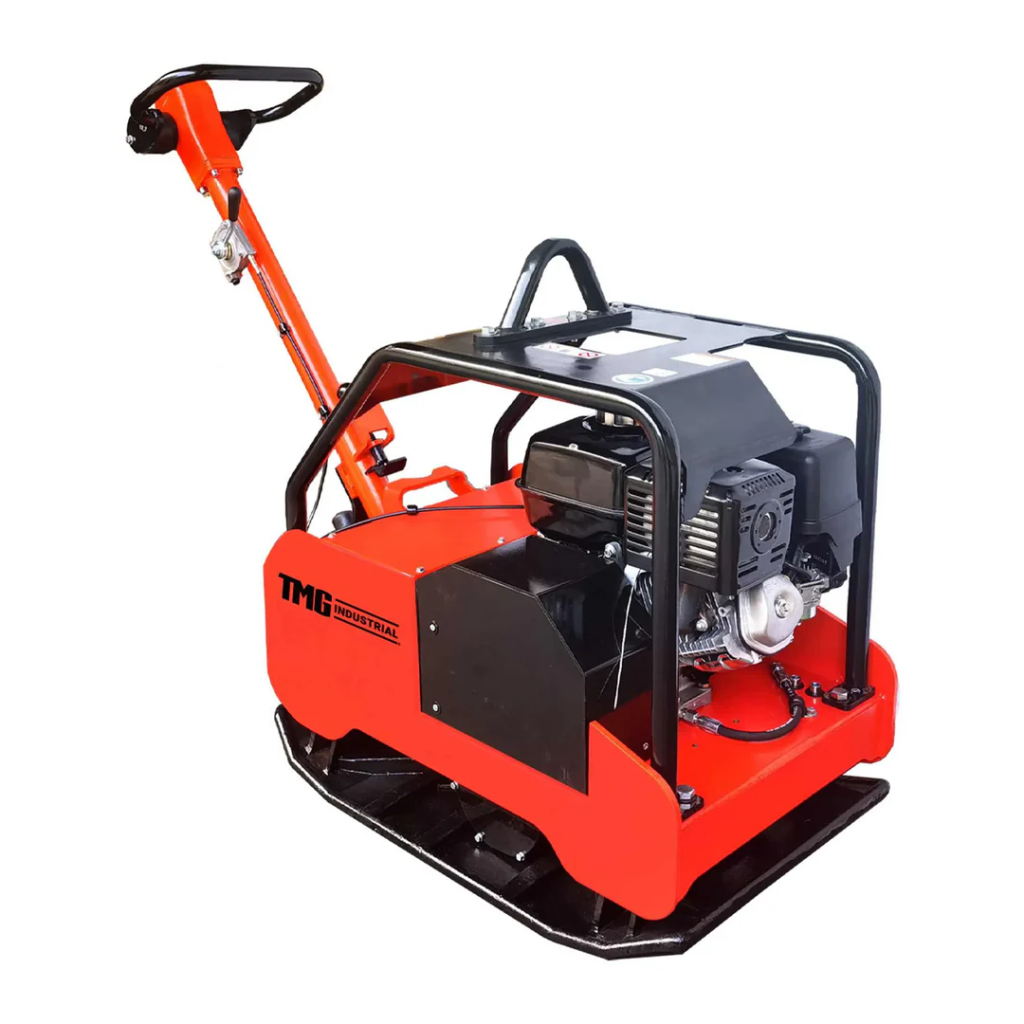
Achieving proper soil and aggregate density is a fundamental requirement in construction, paving, and site preparation. Inadequate compaction leads to settlement, cracking, and structural failure. For confined spaces and projects requiring a high-quality finish, a standard forward-only plate compactor may lack the necessary maneuverability and final surface preparation capability. A PC40H Contractor Hydraulic Reversible Plate Compactor addresses this need. This specialized equipment combines high impact force with the ability to travel both forward and reverse, making it a versatile tool for demanding compaction tasks where precision and efficiency are paramount.
Technical Operation and Key Applications
This type of compactor uses a hydraulic system, often powered by a gasoline engine driving a hydraulic pump, to operate. The hydraulic fluid powers the vibratory mechanism that creates the compaction force. The defining feature is the reversible plate, which allows the operator to change the direction of travel without physically turning the machine. This is achieved by shifting the vibration vector. Common professional applications include compacting sub-bases for concrete slabs, asphalt pavements, and interlocking pavers in tight areas such as against walls or in trenches; performing finish compaction on asphalt to achieve a smooth surface; working in confined spaces like basements or around obstacles where turning a standard compactor is difficult; and compacting backfill for utilities and foundations with high precision.
The Role in Project Quality and Operational Efficiency
Using a reversible plate compactor directly enhances both the quality of the compacted surface and the speed of the operation. The ability to move backward allows for efficient work in confined areas, eliminating time-consuming maneuvering. The machine can deliver a consistent, high-energy impact across the entire work area, including edges and corners that might be missed by a forward-only model. From a productivity and safety standpoint, the reduced need for manual repositioning minimizes operator fatigue and keeps the work zone less congested. For finish work on materials like asphalt, the reversible function is critical for achieving a smooth, seamless surface without marks or uneven density.
Technical Fundamentals and Specifications
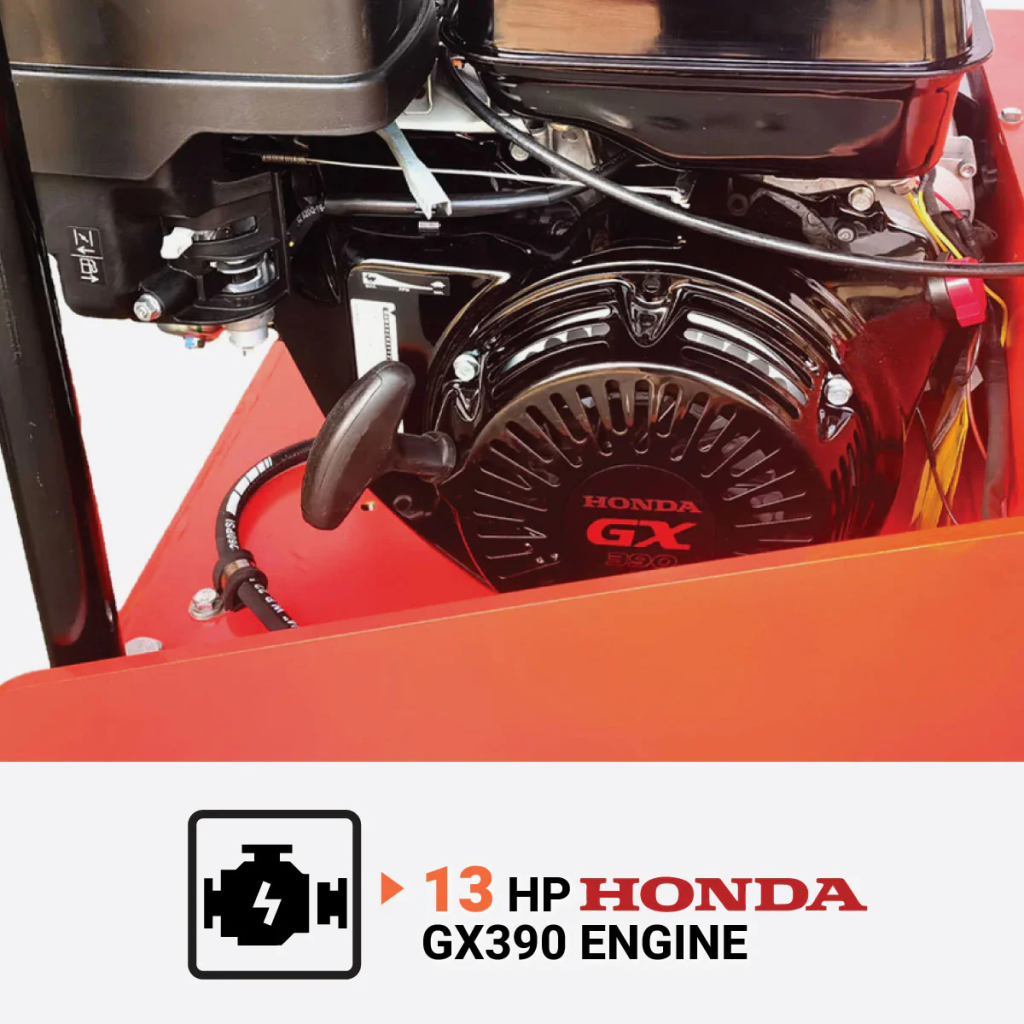
Selecting a hydraulic reversible plate compactor requires understanding key performance indicators. The centrifugal force, measured in kilonewtons (kN), indicates the impact energy; a 40 kN model is suitable for a range of contractor-grade tasks. The plate size affects ground pressure and coverage. The engine horsepower (e.g., 13 HP) must be sufficient to power both the hydraulic system and the vibration mechanism without bogging down. The reversible function’s reliability and ease of control are critical operational features. Other considerations include the machine’s weight, travel speed, and the presence of a water tank and spray system for asphalt compaction to prevent sticking.
Factors Influencing Compaction Performance and Outcomes
Successful results depend on managing several variables:
- Soil or Aggregate Type: The machine is most effective on granular soils like sand and gravel. Moisture content must be near optimum for maximum density.
- Lift Thickness: Material should be placed and compacted in layers appropriate for the compactor’s effective depth.
- Operator Technique: Maintaining a consistent, overlapping pass pattern in both directions is essential for uniform density. The operator must skillfully use the reverse function for positioning.
- Machine Maintenance: Regular checks of hydraulic fluid levels, engine oil, vibration system bolts, and the water spray system (if used) are necessary for reliable performance.
- Ground Conditions: The surface must be relatively level and stable to operate the machine safely and effectively.
Safety Protocols and Operational Best Practices
Operating a powerful vibratory compactor requires strict adherence to safety procedures.
- Conduct a pre-operation inspection of the engine, hydraulic lines, plate, and all safety guards.
- Always wear appropriate personal protective equipment: safety glasses, hearing protection, steel-toed boots, and high-visibility clothing.
- Ensure the work area is clear of bystanders, especially when operating in reverse.
- Start the machine on a firm, level surface. Operate with a firm, two-handed grip on the controls.
- Be acutely aware of your surroundings when operating in reverse. Use a spotter if visibility is limited.
- Never attempt to turn the machine while it is actively compacting; use the reversible function to change direction.
- Allow the engine to cool before refueling, and perform maintenance only when the machine is off and all systems are depressurized.
Equipment Types and Functional Features
Plate compactors range from light-duty forward-only models to heavy-duty reversible units. The hydraulic reversible plate compactor represents a high-performance category within contractor-grade equipment. Distinguishing features often include dual vibration frequencies for different materials, easy-to-operate forward/reverse levers, bolt-on edge protectors, and heavy-duty construction for durability in demanding environments.
Advantages and Practical Limitations
The primary advantages are superior maneuverability in confined spaces, the ability to achieve a high-quality finish on asphalt and paving projects, and increased overall efficiency on complex sites. The reversible function saves significant time and labor. Limitations include a typically higher initial cost compared to a standard plate compactor of similar force, greater mechanical complexity requiring more knowledgeable maintenance, and a reliance on skilled operation to utilize the reversible function effectively. It is also a specialized tool primarily for granular materials and asphalt.
Real-World Implementation Example
A paving contractor is hired to install a new asphalt driveway and parking area adjacent to a building. Using a hydraulic reversible plate compactor, the crew efficiently compacts the gravel base right up against the building’s foundation. During the asphalt lay, they use the machine’s reverse function to perform finish compaction, creating a smooth, uniform surface without roller marks and ensuring proper density at the edges where larger rollers cannot reach. This approach delivers a professional-quality result efficiently, showcasing the tool’s value for precision work.
Conclusion and Operational Outlook
The hydraulic reversible plate compactor is an essential tool for contractors and trades requiring high-quality, efficient compaction in varied and confined site conditions. Its value is realized through the combination of power, precision, and operational flexibility. For project managers and equipment supervisors, investing in such a machine should be based on the specific demands of their typical work, with a commitment to proper operator training and maintenance. As construction techniques and material specifications continue to evolve, equipment that offers enhanced control and finish capabilities, like the reversible plate compactor, will remain integral to achieving professional-grade results in site preparation and paving operations.