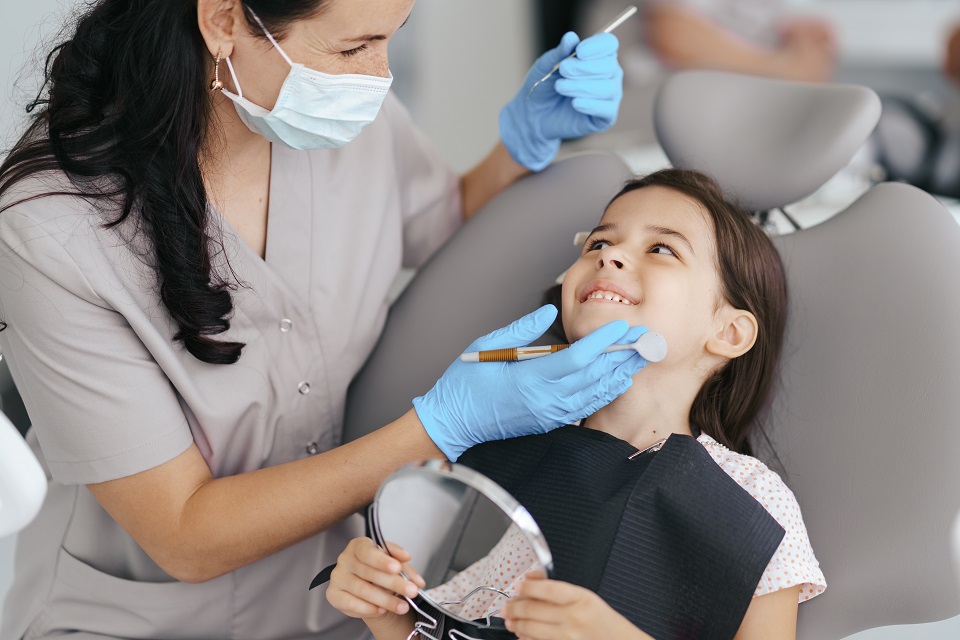

Every visit to the dentist shapes how your child feels about oral care. A single harsh word can create fear. A simple kind word can build trust. In a family dental setting, positive reinforcement is not a small detail. It is the core of a healthy experience. When you praise effort and bravery, you help your child see dental visits as safe and normal. You also teach that caring for teeth matters. A Harker Heights dentist who uses positive reinforcement helps your child stay calm in the chair. You hear steady, clear guidance instead of pressure. You see your child gain courage instead of shame. This approach reduces stress for you, your child, and the dental team. It also leads to better brushing, fewer cavities, and more steady habits at home.
What Positive Reinforcement Looks Like In The Dental Chair
Positive reinforcement means you notice what your child does well. Then you respond with praise or a small reward. You focus on effort. You stay away from blame.
In a family dental setting, this can include three simple steps.
- Use clear praise. For example, “You are holding very still. That helps a lot.”
- Offer small rewards. For example, a sticker or a chance to pick a toothbrush color.
- Describe the effort. For example, “You opened wide even when it felt hard.”
This style shifts your child’s mind from fear to control. Your child learns that behavior changes the visit. Pain and shame lose power.
Why This Approach Matters For Oral Health
Fear keeps many children and adults away from care. That fear often starts early. It grows when visits feel cold or harsh.
Positive reinforcement breaks that pattern. It does three key things.
- It lowers stress before and during visits.
- It builds trust with the dental team.
- It grows steady home habits that last for years.
The National Institute of Dental and Craniofacial Research reports that tooth decay is common in children. Regular care and home brushing protect against it. Children who feel safe in the chair are more likely to keep appointments. They are also more likely to brush and floss at home without a fight.
How Positive Reinforcement Compares To Fear And Shame
Some adults grew up with threats. They heard, “If you do not brush, they will drill your teeth.” Others faced scolding in the chair. Those words may still echo when they hear the drill.
Fear and shame may stop a child for a short time. Yet they harm trust. They also raise stress hormones that make pain feel worse.
Positive reinforcement does the opposite. It uses hope and pride. It links care with strength, not weakness.
Effects Of Different Approaches In Family Dental Visits
| Approach | Short Term Effect On Child | Long Term Effect On Dental Habits | Impact On Family Stress |
|---|---|---|---|
| Positive reinforcement | Calmer behavior. More trust. More courage. | More visits kept. Better brushing. Fewer missed cleanings. | Lower stress before visits. Easier home routines. |
| Fear based messages | Tense body. Silent or crying. Less trust. | Canceled visits. Avoidance of care. More decay. | High stress the night before and on the drive. |
| Shame and blame | Embarrassment. Withdrawal. Secretive habits. | Hiding problems. Waiting until pain is severe. | Conflict between parent and child about brushing. |
Your Role Before, During, and After the Visit
You have a strong influence on how your child sees the dentist. Your words at home matter as much as what happens in the office.
Before The Visit
- Use simple, honest words. Say, “The dentist will count your teeth and clean them.”
- Avoid threats. Never use the dentist as a warning.
- Plan a calm reward after the visit, like a trip to the park.
During The Visit
- Stay close if the team allows it. Offer your hand if your child wants it.
- Use short praise. Say, “You are doing strong breaths” or “You are listening well.”
- Let the dentist lead. Support their words with your own calm tone.
After The Visit
- Focus on effort, not outcome. Praise the attempt to stay calm.
- Talk about one brave moment. Help your child remember strength, not fear.
- Link the reward to effort. Say, “We are going to the park because you tried hard.”
How Dental Teams Use Positive Reinforcement
Family dental teams use many simple tools to support your child. These methods match guidance from the Centers for Disease Control and Prevention on children’s oral health.
- Tell show do. The team explains each step. Then they show it. Then they do it.
- Choice within limits. The child may choose which tooth to count first or which flavor of paste to use.
- Clear rewards. The child gets a sticker, a small toy, or praise at the end.
These steps are simple. Yet they cause great change. Children start to see visits as a test of courage that they can pass.
Supporting Children With High Fear Or Special Needs
Some children come in with strong fear. Others have sensory needs or trouble with change. Positive reinforcement is still useful.
You and the dental team can work together in three ways.
- Short visits. Start with a “get to know you” visit with no cleaning.
- Clear routine. Use the same order each time so your child knows what comes next.
- Shared praise. You and the dentist use the same words to mark success.
This steady pattern reduces shock. Your child learns what to expect. That predictability lowers fear.
Building A Lifetime Of Healthy Habits
Each calm visit lays one more brick in your child’s sense of safety. Over time, your child learns three strong lessons.
- “I can handle the dentist.”
- “My effort changes how this feels.”
- “Caring for my teeth shows respect for my body.”
These lessons do not fade. They travel with your child into their teen years and adulthood. Positive reinforcement in family dental settings does more than get through one visit. It shapes how your child treats health, stress, and self-worth for years to come.