
Strong teeth and gums protect your whole body. Small problems in your mouth often grow into pain, infection, and high bills. You deserve early care that stops trouble before it starts. A dentist does much more than fix cavities. You get tested, cleaned, coached, and shielded against decay and gum disease. Each visit adds layers of protection. You learn where you are at risk. You leave with tools that keep your mouth steady between appointments. This guide explains six simple preventive tools that protect your teeth and gums. You will see what each tool does, how it feels, and when you might need it. You can then ask sharper questions and choose care that fits your life. If you already see a dentist in Quogue, NY, or plan to find one, these tools can help you walk into your next visit with clear goals and less fear.
1. Professional cleanings
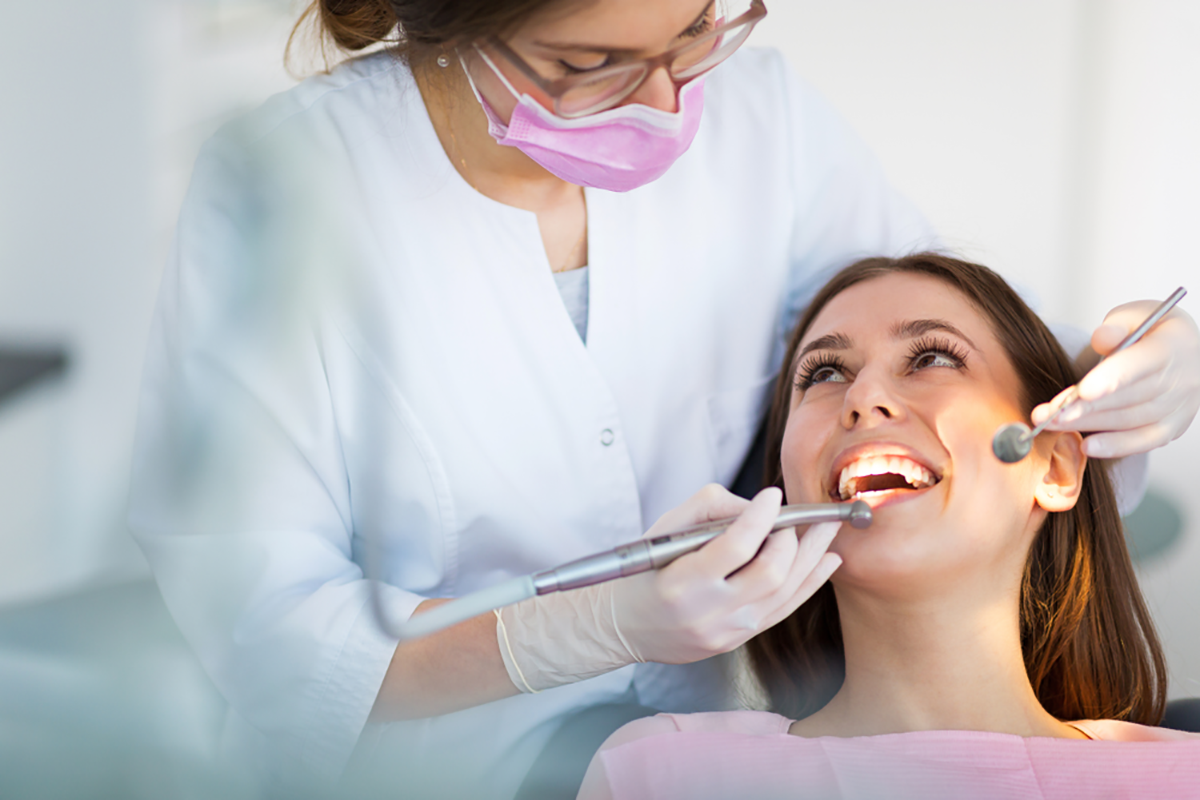
Home brushing and flossing help. Still, sticky plaque and hard tartar build up in places you miss. A professional cleaning removes both. That lowers your risk for cavities and gum disease.
During a cleaning, the hygienist:
- Checks your gums for bleeding and swelling
- Uses tools to remove tartar above and below the gumline
- Polishes your teeth so plaque has a harder time sticking
You may feel mild scraping and some pressure. You should not feel sharp pain. If you do, speak up right away. Regular cleanings every six months often keep your gums firm and your teeth strong. Some people with gum disease need cleanings more often.
2. Fluoride treatments
Fluoride is a natural mineral that makes tooth enamel harder. It helps repair early weak spots before they turn into cavities. Many towns add it to the drinking water. Yet some people need extra help.
At the office, fluoride may come as:
- Gel placed in a soft tray that fits over your teeth
- Foam applied in a tray
- Varnish painted on your teeth with a small brush
The process is quick. You may taste a mild flavor. Afterward, you may be asked to avoid food and drink for a short time so the fluoride can work. Children, people with many fillings, and people with dry mouth often gain the most from this tool.
3. Dental sealants
Back teeth have deep grooves. Food and bacteria hide there. Bristles cannot always reach the bottom of those grooves. Sealants cover them with a thin shield. That makes the surface smoother and easier to clean.
Here is how sealants work:
- The tooth is cleaned
- A gentle solution prepares the surface
- The liquid sealant is painted into the grooves
- A light hardens the material
Sealants do not require shots. They do not remove tooth structure. They sit on the surface and can last for years. Children often get them on new molars. Adults with deep grooves can also benefit.
4. Mouthguards for sports and grinding
Teeth can crack or break during sports or at night from grinding. A custom mouthguard cushions the blow. It also spreads the pressure of grinding across the whole bite.
There are two main types:
- Sports mouthguards that protect against hits
- Night guards that protect against grinding and clenching
The dentist takes a mold of your teeth. A lab then makes a guard that fits your mouth. Store-bought guards exist. Still, a custom guard often fits better and feels easier to wear. That means you are more likely to use it every time.
5. X-rays and cavity risk checks
You cannot see every problem with your eyes. X-rays show decay between teeth, bone loss, and infections at the root. They also help track how a child’s teeth grow in. When used with a visual exam, they give a clearer picture of your mouth.
During a risk check, your dentist looks at:
- Past cavities and fillings
- Diet and sugar habits
- Fluoride use and home care
- Medical issues that affect saliva
Then you receive a simple plan that fits your risk. That plan may include more cleanings, fluoride, or sealants. It may also include changes in snacks and drinks. This kind of early planning often stops small issues from turning into root canals or extractions.
6. Personalized home care coaching
What you do every day matters more than any single visit. Many people never learned how to brush and floss well. Some feel shame about this. There is no need for that. You can learn at any age.
Home care coaching often covers three things:
- Brushing
- Cleaning between teeth
- Choices about food and drink
Your dentist or hygienist can show you how to angle the brush, how long to brush, and how to reach the back teeth. You may also learn how to use floss, picks, or small brushes between teeth. The Centers for Disease Control and Prevention’s oral health facts show strong links between these habits and lower decay.
Comparison of common preventive tools
| Tool | Main purpose | Who benefits most | How often |
|---|---|---|---|
| Professional cleaning | Remove plaque and tartar. Support gum health. | All ages | Every 6 to 12 months |
| Fluoride treatment | Strengthen enamel. Stop early decay. | Children. High cavity risk adults. | Every 3 to 12 months |
| Dental sealant | Block decay in deep grooves of back teeth. | Children. Adults with deep grooves. | Every few years. Replaced as needed. |
| Sports mouthguard | Prevent broken or knocked out teeth during contact sports. | Children and adults in sports | During all practices and games |
| Night guard | Protect teeth from grinding and clenching. | People with worn teeth or jaw pain | Every night |
| X rays and risk checks | Find hidden problems. Guide custom prevention. | All ages | Every 1 to 3 years. Risk-based. |
How to use this knowledge at your next visit
At your next appointment, bring three questions.
- What is my current risk for cavities and gum disease
- Which of these six tools would help me most right now
- What should I change at home today
Then listen, take notes, and ask for clear steps. Small daily changes plus the right office tools can keep your teeth and gums strong for many years.