
The Imperative of Water Conservation and Septic System Protection
Water, the elixir of life, is a critical resource that shapes the very contours of our existence. However, it is also one often taken for granted in households. As we continue to consume water at an unrestrained pace, not only do we deplete this finite resource but we also put undue pressure on our septic systems.
The importance of water conservation and septic system protection cannot be overstated. It not only ensures that we have sufficient clean water for our current needs but also safeguards the wellbeing of future generations.
Septic systems serve as fundamental processing units in residential settings without centralized sewer facilities. They break down organic matter in wastewater before safely releasing it back into the environment.
Consequently, these systems are intrinsic to preserving local ecosystems and public health. Overburdening them with excessive household water usage can lead to catastrophic failures that disrupt the delicate balance they maintain.
Thus, when viewed through the lens of sustainable living and environmental stewardship, it becomes clear how water conservation dovetails with septic system protection. This confluence underscores a validity unifying two critical aspects of modern living – managing consumption responsibly while ensuring waste disposal is efficient and environmentally friendly.
The Nexus between Household Water Usage and Septic System Health
To truly comprehend why reducing household water usage is essential for protecting your septic system, one must understand their interconnectedness. All wastewater generated in a house – originating from bathrooms, kitchens, or laundry rooms – eventually converges into the septic tank where it undergoes natural treatment processes before being dispersed into drain fields.
A key factor influencing this system’s efficiency is ‘hydraulic loading’ – essentially how much water enters the tank over time. When this input exceeds its processing capacity, the system can become overwhelmed, leading to an inadequate breakdown of waste and potential septic backup.
It’s akin to a traffic jam on a busy highway – too many cars (or water in this case) at once, and everything grinds to a halt. Moreover, each surge of water entering the tank stirs up solids, some of which can then escape into the drain field causing clogs.
Over time, excessive hydraulic loading can reduce the soil’s absorption capacity in the drain field – rendering it ineffective and requiring costly repairs or replacement. Therefore, by managing household water usage effectively, one not only conserves this vital resource but also ensures optimal functioning and longevity of their septic system.
Understanding Your Septic System
A Glimpse into the Underground: The Mechanics of a Septic System
The septic system performs an uncelebrated but essential role in households not connected to municipal wastewater treatment plants. This self-contained, underground wastewater treatment structure uses natural processes to treat sewage at its source—primarily your home.
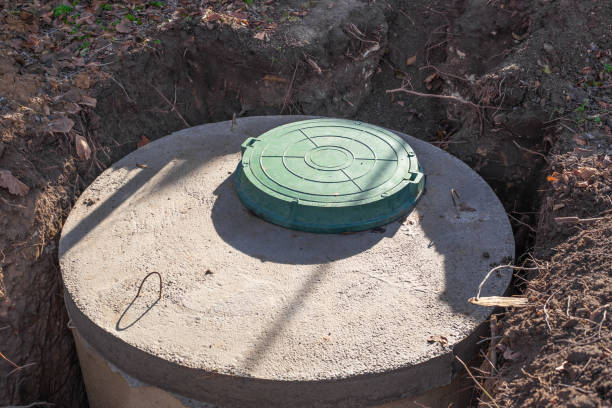
The anatomy of a typical septic system encompasses two main components: the septic tank and the drainfield. The septic tank, usually constructed of concrete or fiberglass, is a watertight box located underground.
All household wastewater flows into this tank. Here, solid waste settles at the bottom forming sludge while fats and oils rise to the top creating scum.
Between these layers lies a relatively clear layer known as effluent which contains liquid waste. Anaerobic bacteria within the tank actively break down this solid waste, reducing its volume.
From the septic tank, effluent flows out into the drainfield or leach field—a subsurface wastewater disposal area where aerobic bacteria further treat the remaining impurities. As it percolates through soil layers, harmful pathogens are removed before it eventually returns to groundwater sources.
The Invisible Adversary: Excessive Water Usage Versus Your Septic System
The functioning of a septic system relies heavily on balance—an equilibrium between water inflow and treatment capacity. However, excessive household water usage can disturb this delicate equipoise with serious repercussions for your septic system. When you inundate your septic system with more water than it can handle—perhaps due to frequent laundry loads or long showers—the process within your tank is compromised; solids do not have adequate time to settle before effluent moves onto your drainfield.
Consequently, these solids are carried over into your leach field, leading to clogging—an event that spells catastrophe for your septic system. Moreover, waterlogged drainfields cannot effectively treat nor disperse wastewater.
Instead of percolating slowly through the soil layers, water could surface in pools on your lawn or back up into household drains—a clear indication of a failing septic system. Remember, an overwhelmed septic system not only leads to expensive repairs but also poses a significant threat to local water quality and public health.
High Level Strategies for Reducing Water Usage
An Overview of General Strategies to Conserve Water
Water conservation is not only an environmentally responsible practice but also a key strategy in maintaining the health and longevity of your septic system. By reducing overall water usage, you decrease the amount of water that your septic system needs to process, minimizing wear and tear on the system over time. This process begins with awareness.
Start by taking note of all the instances when water is used in your household and question whether these uses can be minimized or eliminated. Simple habit changes such as turning off the tap during tooth brushing, washing full loads of clothes instead of several smaller ones, or capturing rainwater for watering plants can all play a part in reducing total household water usage.
Once you have identified potential areas for improvement, it’s time to implement changes. This may involve switching out old appliances for more efficient models, amending watering practices in your garden or lawn, or implementing regular maintenance checks for leaks.
The Power of Efficient Appliances
Replacing older appliances with newer models designed with efficiency in mind can greatly impact your household’s total water usage. High-efficiency washing machines and dishwashers not only use less water but also energy, making them doubly beneficial both from an environmental standpoint as well as monetary savings on utility bills. Look for products rated by Energy Star – a program run by the U.S Environmental Protection Agency (EPA) and Department of Energy (DOE).
These products are certified to be at least 20% more efficient than non-certified models. Apart from large appliances, consider low-flow fixtures like showerheads and faucets which considerably reduce high-volume water flow without compromising performance.
Remember that while there might be an upfront cost involved in replacing appliances or installing new fixtures, the savings accrued over time through reduced water and energy bills will often offset this initial investment, and even result in long-term savings. Plus, you’ll be contributing to the health of your septic system and the environment as a whole.
Smart Watering Practices for Gardens/Lawns
The way you maintain your outdoor spaces can also significantly affect your household water usage. Overwatering can waste a vast amount of water while potentially overloading your septic system. Converting to a drought-tolerant landscape or utilizing native plants that require less watering can greatly reduce outdoor water use.
When it comes to watering, the timing is crucial. It’s most effective and efficient to water gardens and lawns during early morning or late evening hours when temperatures are cooler.
This prevents evaporation — ensuring that most water gets absorbed by plants rather than being lost into the atmosphere. Additionally, employing smart irrigation technology such as rain sensors or soil moisture sensors can help regulate watering cycles based on weather conditions or actual plant needs which again minimizes wastage and safeguards your septic system in the process.
Regular Maintenance Checks for Leaks
Detecting and fixing leaks is an integral part of any broad spectrum strategy aimed at reducing household water usage. A small leak, undetected, can waste thousands of gallons of water every year — an unnecessary strain on both your wallet and septic system.
Create a habit of regularly inspecting all areas where leaks might occur: faucets, showerheads, pipes under sinks, toilet flappers — even irrigation systems should not be neglected. Additionally, monitor any unusually high-water bills which could signal a hidden leak somewhere in your home’s plumbing network.
If you do find leaks which cannot be fixed with simple DIY repairs like tightening connections or replacing a washer, don’t hesitate to call in a professional. Fixing leaks promptly can not only save water but also prevent costly structural damage that could result from prolonged leaking.
Room-by-Room Guide to Water Conservation
A Comprehensive Approach to Kitchen Conservation
In the realm of the kitchen, one can employ several efficient techniques for dishwashing. Rather than leaving the tap running for rinsing, employing a two-basin method or using a dishwasher can save valuable water. In the two-basin method, one sink is filled with soapy water for cleaning dishes and utensils while the other is used for rinsing.
Dishwashers, particularly newer models, often use less water than washing by hand. Furthermore, it’s essential to consider how food waste is disposed of.
Fats and oils should never be poured down the drain as they can solidify and cause blockages in your septic system. Instead of using your garbage disposal which requires significant amounts of water to function correctly and can introduce harmful solids into your septic system, consider composting organic material.
Strategies for Water Savings in the Bathroom
The bathroom is another area where significant reductions in water usage can be made. Opting to install low-flow toilets and showerheads has been proven as a practical solution that doesn’t compromise functionality but greatly reduces consumption. Alongside these structural changes, certain habits also contribute significantly to conservation efforts.
For instance, refraining from leaving the tap on while brushing teeth or shaving can save up to eight gallons of water per day. It’s a minor adjustment that collectively makes a substantial difference over time.
Optimizing Efficiency: The Laundry Room Edition
High-efficiency washing machines are an asset when it comes to reducing household water usage. These devices utilize advanced technology that requires less water but still thoroughly cleanses garments. The U.S Environmental Protection Agency estimates that high-efficiency washers use about 25% less energy and 45% less water compared to regular washers.
Selecting appropriate load sizes and settings is of considerable significance as well. Ensure your washing machine load setting corresponds accurately with the amount of clothing you are cleaning.
Over-estimating can result in unnecessary water waste. Also, consider using cold water for washing clothes when possible to save on energy usage.
Niche Strategies for Reducing Water Usage
For those willing to explore beyond the common strategies, there exists a plethora of innovative and effective ways to further reduce household water usage. These niche strategies may require a larger upfront investment or a lifestyle shift but can provide considerable reductions in water use over time.
Harvesting Rain: A Gift from the Skies
Rainwater harvesting systems are an excellent way to conserve water, particularly in regions where rainfall is abundant. Installing a rainwater collection system can be as simple as placing barrels beneath your downspouts, or it may involve a more complex system of gutters and tanks.
This collected rainwater can be used for outdoor watering needs such as gardens and lawns. It’s crucial, however, to remember that this water should be filtered before any indoor use or consumption due to potential contamination from roof surfaces.
Maintaining a rainwater collection system requires consistent monitoring and cleaning to prevent clogs and keep the water free from debris. Furthermore, there’s an environmental bonus attached: reducing stormwater runoff which often carries pollutants into local bodies of water.
Greywater Systems: Reusing with Caution
Another niche strategy involves the reuse of greywater – wastewater generated from activities such as bathing, washing hands or laundry (excluding toilet waste). Greywater systems function by rerouting this gently-used water to nourish outdoor plants or flush toilets, instead of it needlessly flowing into your septic system. Implementing greywater systems demands careful planning due to health concerns surrounding bacteria-ridden household wastewater.
It’s typically recommended that homeowners use plant-friendly products if they’re diverting greywater onto their landscapes. Despite these challenges, a well-designed greywater recycling system could effectively diminish your household’s freshwater demand and strain on your septic tank.
Composting Toilets: An Eco-friendly Alternative
A rather radical but environmentally friendly approach to save water is using composting toilets. As the name suggests, these toilets transform human waste into compost, a nutrient-rich material beneficial for soil amendment. By doing so, they circumvent the need for flushing entirely—providing a significant reduction in household water usage.
Adopting composting toilets calls for a shift in conventional thinking and lifestyle. Nevertheless, modern systems are designed to be odor-free and sanitary.
Apart from being an excellent strategy for conserving water, composting toilets also alleviate the load on septic systems and create useful end-product that’s beneficial to your garden. By exploring these niche strategies – harvesting rainwater, utilizing greywater systems and considering composting toilets – homeowners can take significant strides towards reducing their household water usage while contributing positively to the environment.
Unveiling the Hidden Truths: Impact of Chemical Drain Cleaners on Septic Systems
Most individuals remain blissfully unaware of how their seemingly benign actions can profoundly impact the health and longevity of their septic systems. One such practice is the use of chemical drain cleaners, a seemingly convenient solution to pesky clogs. While these may quickly clear your problematic pipes, they pose a direr risk to your septic system than you may realize.
Chemical drain cleaners contain harsh substances that are designed to dissolve organic material. When used excessively, these chemicals can also devastate the essential bacteria in your septic tank that facilitate decomposition.
The loss of these microbes inhibits the breakdown process, leading to an inefficiently functioning system and possibly causing sludge build-up which could result in system failure. Furthermore, certain types of chemical drain cleaners are exceedingly corrosive.
They have been known to cause significant damage not only to pipes but also different parts of your septic system when used on a regular basis. Therefore, it’s advised to favor physical methods like plumbing snakes or enzyme-based cleaners as alternatives.
The Silent Assassins: Tree Roots and Their Detrimental Effects on Your Septic Tank
The allure and tranquility provided by mature trees surrounding one’s house can unknowingly harbor potential danger for your underground waste disposal system. Tree roots grow naturally towards sources of water and nutrients; hence they are inherently attracted by a septic tank full of wastewater rich in nutrients.
The roots can infiltrate through even small cracks or joints in your tank or piping resulting from general wear-and-tear over time. Once inside, they continue expanding rapidly due to abundant nourishment, blocking flow paths and causing sewage backups into your home or surfacing over the yard.
Besides obscuring flow paths, tree roots can exert immense pressure on the tank walls leading to structural damage or even a complete system collapse. Therefore, when planning your landscape, it’s crucial to consider the placement of trees relative to your septic system and choose species with less intrusive root systems if placed near your tank.
A Surprising Complication: The Effect of Laundry Detergents on Septic Systems
Another underappreciated factor that significantly affects your septic system’s health is the type of laundry detergent used. Understanding this connection is vital for maintaining an operational home wastewater treatment process.
Traditional laundry detergents often contain phosphates which, while beneficial for cleaning clothes, can detrimentally affect the natural ecosystem within a septic tank. Phosphates encourage excessive algal growth which disrupts oxygen levels and the balance of other micro-organisms essential in waste breakdown.
These fluctuations can reduce the efficiency of waste decomposition and potentially lead to system blockages. Additionally, some detergents have high levels of surfactants — compounds responsible for breaking down dirt during the wash cycle.
However, these substances can also kill beneficial bacteria in your septic tank and cause solids to become suspended in water rather than settling at the bottom where they should be broken down. Opting for septic-safe laundry detergents or those labelled as low-phosphate or phosphate-free can significantly help in preserving your system’s functionality.
Aquatic Altruism: Valuing Our Water and Septic Systems
As we conclude, it is paramount to reassert the fundamental reasons reducing household water usage is not just advantageous but pivotal for a healthy septic system. The mechanisms of a septic system operate most efficiently when they are not strained by excessive water use. Overloading the system can lead to unprocessed waste, which subsequently poses a risk to our environment and health.
Conserving Today for Preservation Tomorrow
Water is a prodigious resource; one that deserves our utmost respect and mindfulness. An excess of water flowing into your septic system can disrupt its intricate equilibrium. It diminishes the time waste has to settle in the tank before being carried out into the leach field, leading to potential contamination of groundwater resources with unprocessed effluents.
Moreover, conserving water isn’t just beneficial for our septic systems; it’s an act that contributes positively towards a sustainable future. By reducing our household water usage, we are doing our part in mitigating global water scarcity crisis—a noble act that aligns with environmental preservation.
The Weft & Warp of Well-being: A Balanced Septic System
A healthy septic system is more than just an efficient underground waste processing unit—it’s an integral component of your home’s infrastructure that directly correlates with hygienic living conditions. By burdening your septic system with excessive wastewater flow, you run the risk of costly repairs or replacements due to premature failure or damage. Furthermore, you’re helping protect local ecosystems from inadvertently discharged pollutants—a small change at home contributing immensely towards broader environmental stewardship.
Working towards reducing household water usage must be considered as much more than just an advantageous practice—it should be seen as an obligation for everyone hoping for healthier homes and environments. Weaving together responsibility and foresight will result in a sustainable tapestry that future generations will be thankful for.