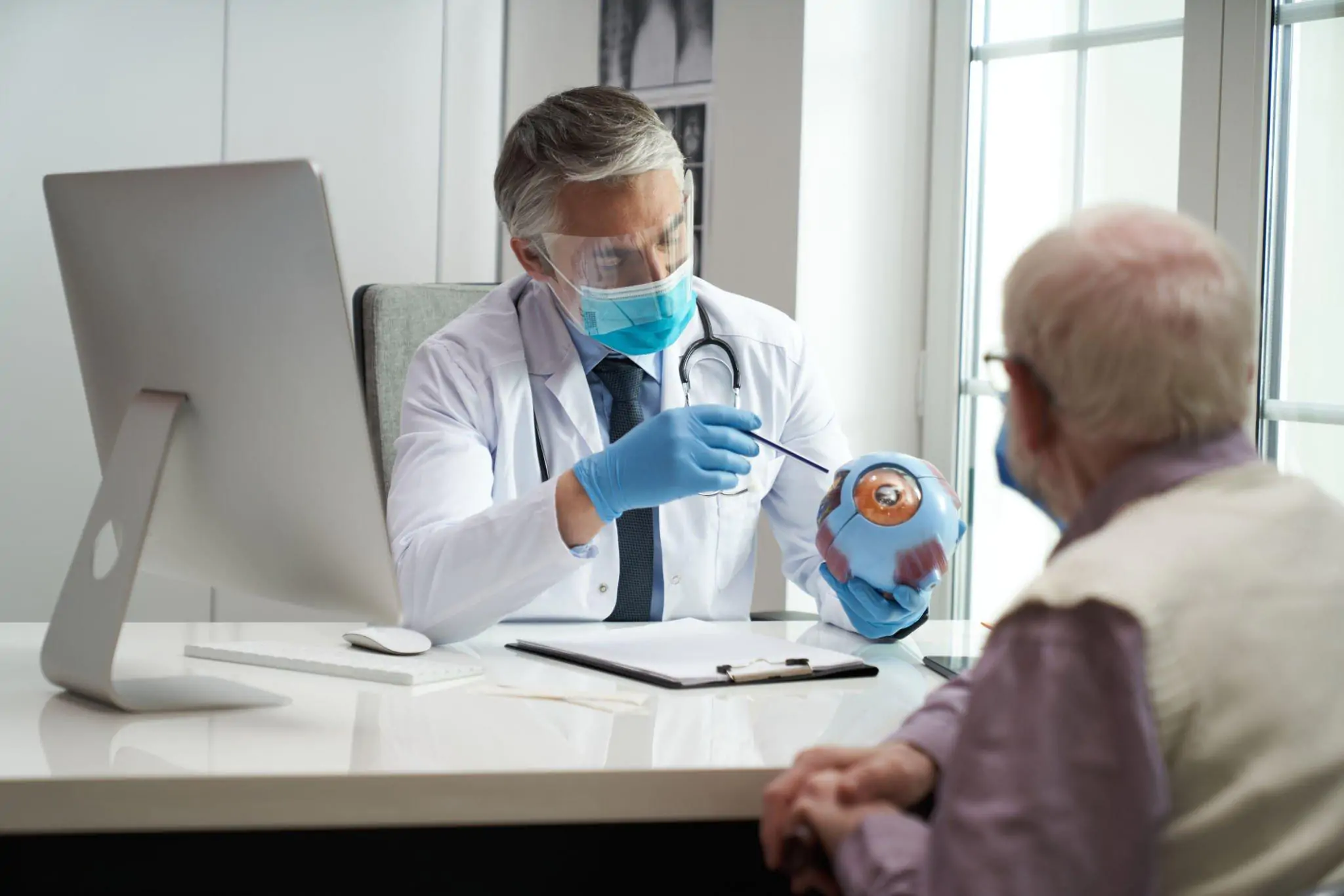

Specialty dental care can feel confusing. You might wonder who to trust, where to go, and what treatment you really need. A clear referral from your regular dentist cuts through that fear. It connects you with the right specialist at the right time. It also helps you avoid repeat X-rays, extra costs, and mixed messages. A trusted referral means your history, images, and treatment plan move with you. That protects your health and your time. If you see a dentist in Dearborn Heights, your referral can link you with surgeons, root canal experts, or gum specialists who match your needs. Each one focuses on a narrow type of care. Together, they support your long-term oral health. This blog explains why referrals matter, how they work, and what you should expect when your dentist sends you to a specialist.
Why your general dentist is your starting point
Your general dentist knows your mouth, your habits, and your health record. That long view matters. It shows patterns that a new specialist would not see right away.
Your dentist can:
- Spot early signs of disease that need a specialist
- Sort out which problems can wait and which need fast care
- Match you with a specialist who fits your medical needs
The Centers for Disease Control and Prevention explains how untreated cavities and gum disease can lead to pain, infections, and trouble eating. A referral helps you treat these problems before they grow into emergencies.
What a referral really does for you
A referral is more than a name on a slip of paper. It is a handoff. It keeps your care linked. It turns many visits into one clear plan.
A good referral usually includes:
- Your medical and dental history
- Recent X rays and test results
- A clear question or concern for the specialist
- Any medicines you take and allergies you have
That information protects you. It lowers the chance of drug conflicts, repeat tests, and mixed directions. It also helps the specialist focus right away on what matters.
Types of dental specialists and why you might see one
The American Dental Association recognizes several kinds of dental specialists.
Common specialists include:
- Endodontist for root canal treatment
- Oral and maxillofacial surgeon for extractions and jaw surgery
- Periodontist for gum disease and implants
- Orthodontist for teeth alignment
- Pediatric dentist for children and teens
Your dentist may refer you for three main reasons. The problem is complex. The problem needs special tools. Or the problem needs skills that only come with narrow training.
How referrals protect your health and your wallet
Referrals help you get safe care. They also help you avoid waste. The table below compares common parts of care with and without a referral.
| Aspect of care | With a referral | Without a referral |
|---|---|---|
| Medical history | Specialist receives your full record from your dentist | You repeat your history from memory and may forget key facts |
| X rays and images | Existing images shared and used when safe | New images taken that may repeat recent tests |
| Treatment planning | Dentist and specialist agree on a single clear plan | Plans can clash and cause confusion |
| Out of pocket costs | Less repeat testing and fewer extra visits | More visits, more tests, and higher total costs |
| Time and stress | Smoother steps and clear expectations | More phone calls, rescheduling, and worry |
| Safety | Shared list of medicines and allergies | Higher risk of missed allergies or drug conflicts |
What to expect when you get a referral
You deserve to know what comes next. When your dentist refers you, you can expect three basic steps.
First, your dentist explains why you need a specialist. You should hear what the concern is and what might happen if you delay. You also should learn what the specialist will likely do. Ask questions until the reason feels clear.
Next, your dentist sends your records. That might be digital X-rays, notes, and chart history. You can ask how and when that happens. You can also ask for a copy for your own records.
Finally, you schedule with the specialist. The office may call you. Or you may need to call them. When you book the visit, tell them you were referred and share your dentist’s name.
Questions you should ask your dentist
Clear questions give you control. You can use these three groups of questions when your dentist suggests a referral.
About the reason
- What problem are you seeing that needs a specialist
- How urgent is this
- What happens if I wait
About the specialist
- Why did you choose this type of specialist
- Have you worked with this specialist before
- Will you stay involved in my care
About records and costs
- What records are you sending
- Will my insurance need a written referral
- Can I get an estimate of costs from the specialist
How referrals support children, older adults, and people with health conditions
Some patients face a higher risk during dental care. That includes young children, pregnant patients, older adults, and people with heart disease, diabetes, or bleeding problems.
For these groups, a referral can link dental care with medical care. Your dentist may reach out to your doctor. Together they can adjust medicines, plan safe timing, and set pain control that fits your health.
This shared planning lowers the chance of infections, bleeding, and hospital visits. It also gives you one united message instead of mixed advice.
How to use your referral well
A referral only helps if you act on it. You can make the most of it with three simple steps.
- Schedule the specialist visit as soon as you can
- Bring a list of your medicines and questions
- Return to your regular dentist for follow-up
After the specialist finishes treatment, your general dentist usually takes over again. That return is key. Routine care is more effective after treatment. Cleanings, checkups, and simple repairs keep the problem from coming back.
When you feel unsure about a referral
You may feel doubt. That is normal. You can ask for a second opinion. You can also ask your dentist to explain again in simple terms.
If something feels off, say so. Your care team should listen. Respectful questions do not offend. They protect your health.
Strong referrals create a safe path through specialty dental care. They link experts around one mouth. Yours. When you use that system, you cut through fear and guesswork. You move from confusion to clear steps that protect your teeth, your body, and your peace of mind.